


Three Wishes
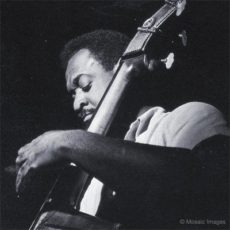
When Charles Mingus was questioned of his three wishes he stated:
- “I have no wishes! No wishes at all. Well, I wouldn’t mind having enough money to pay my bills. But that’s absolutely all.”
- “I’ve changed.”
*Excerpt from Three Wishes: An Intimate Look at Jazz Greats – Complied and Photographed by Pannonica de Koenigswarter”

More Posts: baroness,bass,history,instrumental,jazz,musician,pannonica,three,wishes
Three Wishes
Responding to the question of three wishes by the Baroness Gene Taylor said:
- “Money.”
- “Health. That’s all there is.”
*Excerpt from Three Wishes: An Intimate Look at Jazz Greats – Complied and Photographed by Pannonica de Koenigswarter
More Posts: baroness,bass,history,instrumental,jazz,musician,pannonica,three,wishes
Three Wishes
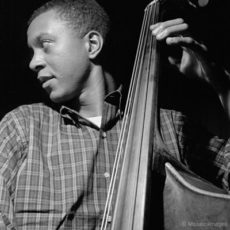
Doug Watkins was asked for his three wishes by Nica and his answers were:
- “To be rich, prosperous, and a millionaire. Oh! I didn’t know you were serious. Change that – change that! To really be able to play.”
- “To live as a man should live.”
- “I want to go to Japan.”
*Excerpt from Three Wishes: An Intimate Look at Jazz Greats – Complied and Photographed by Pannonica de Koenigswarter
Doug Watkins: March 2, 1934 – February 5, 1962 / Bass
More Posts: baroness,bass,history,instrumental,jazz,musician,pannonica,three,wishes
Three Wishes
Nica asked bassist Ali Jackson what his three wishes were and he told her:
- “To be on a hip, swinging gig. That’s all I need.”
- “To be inspired to practice – which I would be if the first wish came true!”
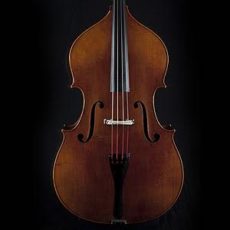
- “To find a bass fiddle I saw in Cleveland in 1951. That fiddle was so old, the wood was black on the outside – really black, you know? And the inside was yellow. It was brought from Russia in 1890. It was heavy, and when I tried it, man, what a sound! I ran all over town borrowing money from everybody – even my landlady – and I got together about $350. But when I got back it was gone. They sold it for $750. But it would be worth $2,000 now. I’d like to find that fiddle.”
*Excerpt from Three Wishes: An Intimate Look at Jazz Greats – Complied and Photographed by Pannonica de Koenigswarter

More Posts: baroness,bass,history,instrumental,jazz,musician,pannonica,three,wishes
Three Wishes
Tasking Wilbur Ware to give up his three wishes by the Baroness he retorted:
- “That I could get my life straightened out, so that I could be accepted otherwise, as well as musically.”
- “To be able to play music. And, out of my musical ability, to be able to have security for my family as well as myself.”
- “For the world to live in peace and harmony.”
*Excerpt from Three Wishes: An Intimate Look at Jazz Greats – Complied and Photographed by Pannonica de Koenigswarter
More Posts: baroness,bass,history,instrumental,jazz,musician,pannonica,three,wishes