

Daily Dose Of Jazz…
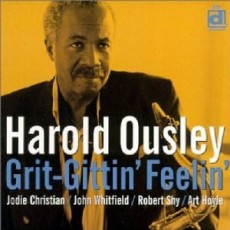
Harold Ousley: The Tenor Voice That Bridged Blues and BebopHarold Lomax Ousley was born January 23, 1929, in Chicago, Illinois—the cradle of electric blues and a proving ground for countless jazz saxophonists. Heavily influenced by the big-toned Gene Ammons, Ousley picked up tenor saxophone and flute in the late 1940s and immediately set about carving out his own path through the rapidly evolving jazz landscape.
Backing the Legends
The 1950s found Ousley in stellar company, recording behind two of the greatest vocalists in American music: Billie Holiday and Dinah Washington. Imagine being the saxophonist supporting Holiday’s weathered, emotionally devastating voice, or matching Washington’s powerful, blues-drenched delivery. That’s the kind of education money can’t buy—you either rise to the occasion or get left behind. Ousley rose.
Throughout that decade, he also worked as a sideman with his idol Gene Ammons, absorbing the older master’s approach to tone, phrasing, and the art of making a ballad sing. The 1960s brought collaborations with organist Jack McDuff and a young guitarist named George Benson who was just beginning to make noise on the jazz scene.
Stepping Into the Spotlight
Ousley released his first record as a leader in 1961: Tenor Sax on the Bethlehem label—a straightforward title for a straightforward player who let his horn do the talking. Over the following decades, he would lead five more sessions for Muse, Cobblestone, Digi-Rom, Tele-Jazz, and Delmark labels, each one showcasing different facets of his musical personality.
His 16-bar blues boogaloo “Return of the Prodigal Son” demonstrated his rhythmic flair and compositional chops, but it became better known as a highlight on George Benson’s popular Cookbook album—sometimes your song becomes famous through someone else’s interpretation, and that’s okay.
Weathering the Changes
During the 1970s, Ousley found himself playing with jazz royalty—Lionel Hampton’s swinging vibes-led ensemble and Count Basie’s legendary orchestra. But the musical landscape was shifting beneath everyone’s feet. Fusion was exploding, electric instruments were taking over, and the acoustic hard bop sound Ousley excelled at was suddenly out of fashion. When mainstream jazz resurged in the 1980s, it often favored younger players.
Rather than become bitter, Ousley adapted. He moved into cable television production, creating programming that featured jazz performances and interviews—using a different medium to keep the music and its stories alive. He didn’t record again until the late 1990s, but he never stopped being part of the jazz community.
A Musical Identity
Though Ousley’s playing resided heavily in blues—that Chicago foundation never left him—he quickly cited Charlie Parker as his first model for the hard bop lines that gave his solos their forward momentum and harmonic sophistication. But perhaps the most overlooked aspect of his artistry was the gentler side: the sweet, caressing sound he brought to ballads, where his tone became butter-smooth and his phrasing unhurried, letting every note breathe.
A Life in Service to the Music
Tenor saxophonist Harold Ousley passed away on August 13, 2015, in Brooklyn, New York, having spent nearly seven decades contributing to jazz as a sideman, leader, collaborator, and documentarian.
He may not have achieved the fame of some of his contemporaries, but Harold Ousley represents something equally valuable: the solid professional who showed up, played beautifully, supported the music and the musicians around him, and kept the tradition alive even when the spotlight moved elsewhere.
That’s not just a career—that’s dedication.
More Posts: saxophone