

Daily Dose Of Jazz…
Hayes Alvis was born on May 1, 1907 in Chicago, Illinois. He started his career playing drums but switched to tuba and bass after playing with Jelly Roll Morton in 1927-28. He played tuba and arranged for Earl Hines from 1928 to 1930.
Moving to New York City in 1931 Hayes played with Jimmie Noone in the Mills Blue Rhythm Band from 1931-34 and 1936. A very early double-bass solo can be heard on his 1932 recording “Rhythm Spasm”. He also occasionally played baritone saxophone in this ensemble as well, and was the group’s tour manager. From 1935 to 1938 Alvis played with Duke Ellington, working with fellow bassist/tubist Billy Taylor.
After his stint with Ellington, Alvis played with Benny Carter, Joe Sullivan and Louis Armstrong, replacing Pops Foster. From 1942 to 1945 he played in the Army band led by Sy Oliver. After the war, he played with Dave Martin until 1947, and then took a longstanding run as a house musician at the Cafe Society in New York City.
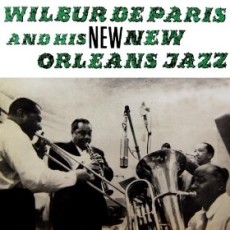
In the 1950s, he played in various swing and Dixieland revival groups, including Wilbur De Paris’s New Orleans Jazz. In the early seventies he played in a trio with Jay McShann and Tiny Grimes.
Never recording as a leader, bassist, tubist and sideman Alvis Hayes died in New York City on December 30, 1972 at the age of 65.

Daily Dose Of Jazz…
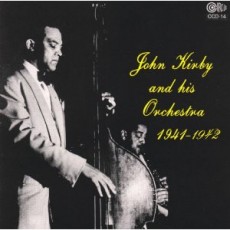
John Kirby was born in Winchester, Virginia on December 31, 1908 though some sources say he was born in Baltimore, Maryland orphaned, and adopted. He hit New York at 17, but after his trombone got stolen, he switched to tuba.
Kirby joined Fletcher Henderson’s orchestra as a tuba player in 1929. In the early 1930s, he performed some amazingly complicated tuba work on a number of Henderson’s recordings. He picked up on the double bass at the time when tuba was falling out a favor as the primary bass instrument of jazz bands.
About 1933 Kirby left Henderson to go with Chick Webb, went back with Henderson, then with Lucky Millinder and briefly led a quartet in 1935 but generally kept busy as bassist in others’ groups. Securing a gig at the Onyx Club and really got going as a bandleader in 1937. Soon the sextet was known as the Onyx Club Boys.
“The Biggest Little Band in the Land,” as it was called began recording in August 1937 and immediately had a hit with a swing version of “Loch Lomond” and though the group’s name would vary with time this would become one of the more significant “small groups” in the Big Band era and was also notable for making the first recording of the Shavers song “Undecided”. He recorded with Maxine Sullivan for Vocalion Records and accompanied Billie Holiday.
John tended toward a lighter, classically influenced style of jazz, often referred to as chamber jazz. He kept trying to lead a group in clubs and in the studio, occasionally managing to attract such talents as Dizzy Gillespie, Benny Carter, Ben Webster, Clyde Hart, Budd Johnson and Zutty Singleton and Sarah Vaughan.
As John Kirby’s career declined, he drank too much, was beset by diabetes and moved to Hollywood, California, where he died on June 14, 1952 just before a planned comeback.
