

Daily Dose Of Jazz…
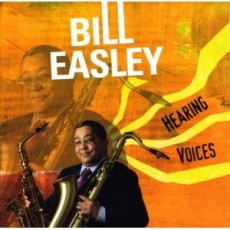
Bill Easley: A Life Lived Through Every Era of Modern Jazz
Some musicians pass through jazz history. Bill Easley has lived it—from Harlem jam sessions to Stax Records, from Arctic military bands to Broadway’s brightest lights.
A Prodigy from Upstate New York
Born January 13, 1946, in Orleans, New York, Easley was already a working professional by age thirteen, gigging with his parents and absorbing the craft from the inside. When he arrived in New York City in 1964, he dove straight into the deep end—studying part-time at the legendary Juilliard School while simultaneously earning his real education in Harlem’s uptown jazz clubs, learning directly from the masters who made the music breathe.
An Unexpected Arctic Interlude
Then came an unexpected detour: the draft. Suddenly, Easley found himself stationed in Fairbanks, Alaska, with the 9th Army Band. It wasn’t exactly 52nd Street, but as any true musician knows, you make music wherever you are—even when surrounded by snow instead of skyscrapers.
The Real Education Begins
Back in action by the late ’60s, Easley was playing the legendary rooms that defined the era—Minton’s Playhouse, the Plugged Nickel, The Jazz Workshop, The Hurricane—standing shoulder to shoulder with George Benson. These weren’t just gigs; they were nightly master classes in jazz history happening in real time, each set a conversation with the greats.
Memphis Soul and Stax Swagger
The ’70s brought a southern migration to Memphis, where Easley entered Isaac Hayes’ orbit, laying down tracks at the iconic Stax and Hi Records—the studios where soul music was being redefined. Even while pursuing his formal education at Memphis State University, he was out there every night with big bands and show bands, whatever was swinging.
Then came the gig that changes everything for any jazz musician: touring with the Duke Ellington Orchestra under Mercer Ellington in the mid-’70s. To play that book, to carry that legacy—it’s a responsibility and an honor few ever experience.
The Great White Way Calls
By 1980, Broadway beckoned, and Easley answered. His theater credits read like a greatest-hits compilation: Sophisticated Ladies, The Wiz, Black and Blue, Jelly’s Last Jam, Fosse—the shows that defined an era of musical theater and kept the jazz tradition alive on the world’s most famous stages.
Never Just a Pit Musician
But here’s the thing about Bill Easley: he never stopped being a jazz cat. Between curtain calls, he was in recording studios with pianists Sir Roland Hanna and Mulgrew Miller, organists Jimmy McGriff and Jimmy Smith, vocalist Ruth Brown, and drummers Grady Tate and Billy Higgins. He recorded for respected labels like Sunnyside and Milestone, keeping one foot firmly planted in the jazz tradition even as the other tapped out Broadway rhythms.
Master of Many Voices
Saxophone, flute, clarinet—Easley commands them all with the hard-won wisdom of someone who’s witnessed every chapter of modern jazz unfold firsthand. From bebop to soul jazz, from Broadway pits to intimate club dates, he’s been there, absorbed it, and made it part of his musical DNA.
Still Writing the Story
And the best part? Bill Easley is still out there, still playing, still adding new chapters to a story that now spans six decades and counting. In a world obsessed with the next new thing, there’s something deeply reassuring about a musician who has mastered the art of being present—in every era, in every room, in every note.
That’s not just a career. That’s a life lived in service to the music itself.