

Daily Dose Of Jazz…
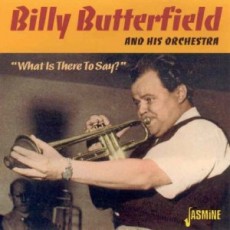
Billy Butterfield: The Trumpet Player Who Almost Became a Doctor
What if one of jazz’s most lyrical trumpet voices had ended up in a white coat instead of on a bandstand? Billy Butterfield, born January 14, 1917, in Middletown, Ohio, started out on cornet as a kid, then pivoted to pre-med studies before the irresistible pull of music brought him back—and thank goodness it did.
A Warm Tone Finds Its Audience
By the late 1930s, Butterfield’s warm, singing tone was turning heads when he joined Bob Crosby’s swinging orchestra. From there, he became the go-to trumpeter for the era’s biggest bandleaders—Artie Shaw, Les Brown, and Benny Goodman all recognized what they had when Butterfield stepped up to the microphone. His sound wasn’t about flash or fury; it was about beauty, control, and emotion that could break your heart.
War, Then a Perfect Recording
When World War II called, Butterfield served from 1943 to 1947, leading his own Army orchestra and bringing music to troops who desperately needed it. After the war, he signed with Capitol Records and delivered one of those perfect moments that defines an era: “Moonlight in Vermont,” featuring Margaret Whiting’s ethereal vocals floating over his exquisite muted trumpet. It’s the kind of recording that still stops people in their tracks seventy years later.
Leading His Own Way
The 1950s brought fruitful collaborations with arranger Ray Conniff, and by the 1960s, Butterfield was leading his own orchestra for Columbia Records—proof that the sideman had grown into a compelling leader. But perhaps his most enduring partnership came in the late 1960s when he joined the aptly named World’s Greatest Jazz Band alongside fellow trumpeter Yank Lawson and bassist Bob Haggart. It was a dream team of veteran musicians playing classic jazz with authority and joy, and Butterfield remained with them until his final days.
A Life Well Played
Throughout it all, Butterfield stayed busy as a sought-after guest artist, bringing his mastery of trumpet, flugelhorn, and cornet to stages around the globe. Whether in an intimate club or a grand concert hall, that distinctive tone—thoughtful, melodic, perfectly controlled—made every performance memorable.
A Legacy in Every Note
Billy Butterfield left us on March 18, 1988, but that gorgeous sound—warm as a summer evening, clear as a bell, romantic without being sentimental—lives on in every recording. The medical profession’s loss became jazz’s eternal gain.
Sometimes the world needs a great doctor. But sometimes it needs a trumpet player who can make “Moonlight in Vermont” sound like the most beautiful thing you’ve ever heard. Billy Butterfield was that player, and we’re all the richer for the choice he made.
More Posts: bandleader,flugelhorn,trumpet