


JOBIM & THE MUSIC OF BRAZIL
In the 1960s, Antonio Carlos “Tom” Jobim brought the bossa nova craze to the United States, and this infectious and sensuous sound soon became beloved throughout the world. We celebrate Jobim’s centennial and the jazz genres of Brazil—including bossa nova, samba and choro.
Performers:
Eliane Elias: Piano
Anat Cohen: Clarinet
Trio da Paz: Ensemble
Shelly Berg and the Frost School of Music’s Henry Mancini Institute Orchestra
Tickets: $52.65 – $152.10 | Includes fees.
More Posts: adventure,bandleader,clarinet,genius,instrumental,jazz,music,piano,preserving,travel,vocal
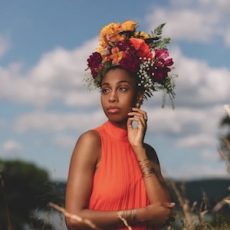
JAZZMEIA HORN
Named by her jazz loving grandmother, Jazzmeia Horn was born in Dallas, Texas, in 1991. She grew up in a close church-going family singing gospel music.
Horn graduated from Booker T. Washington High School for the Performing and Visual Arts, which was attended by other great artists such as Roy Hargrove, Norah Jones, and Erykah Badu. In 2009, she enrolled at The School of Jazz at The New School in New York City.
Jazzmeia won the 2013 Sarah Vaughan International Jazz Vocal Competition and the 2015 zzmeThelonious Monk Institute International Jazz Competition and, shortly after, was signed by Concord Records. In 2017, she released her debut album, “A Social Call,” which was nominated for a Grammy Award.
She continued to tour nationally and internationally, honing her vocal, performance, and writing skills to get across her message about the global need for love and social change in the world. In 2019, she released “Love and Liberation,” which also received a Grammy nomination. The following year, she published her book “Strive From Within: The Jazzmeia Horn Approach” while recording her big band album “Dear Love.”
While performing and writing, Ms. Horn teaches students and conducts outreach programs across the globe through The Jazz Horn International Vocal Initiative.
Cover: $57.69 ~ 74.19 | fee included
More Posts: adventure,bandleader,club,genius,jazz,music,preserving,travel,vocal
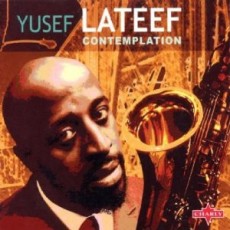
Daily Dose Of Jazz…
Yusef Lateef was born William Emanuel Huddleston on October 9, 1920 in Chattanooga, Tennessee and by the time he was five his family moved to Detroit. Throughout his early life Lateef came into contact with many Detroit-based jazz musicians who went on to gain prominence, including vibraphonist Milt Jackson, bassist Paul Chambers, drummer Elvin Jones and guitarist Kenny Burrell
Proficient on saxophone by graduation from high school at the age of 18, he launched his professional career and began touring with a number of swing bands. In 1949, he was touring with Dizzy Gillespie and his orchestra. In 1950, Lateef returned to Detroit and began his studies in composition and flute at Wayne State University. It was during this period that he converted to Islam.
Lateef began recording as a leader in 1957 for Savoy Records overlapping with Prestige Records subsidiary label New Jazz, collaborating with Wilbur Harden, Herman Wright, Frank Gant, and Hugh Lawson among others. By 1961, with the recording of Into Something and Eastern Sounds his dominant presence within a group context had emerged and his ‘Eastern’ influences are clearly audible in all of these recordings.
Along with trumpeter Don Cherry, Yusef can lay claim to being among the first exponents of the world music as sub-genres of jazz. He played on numerous albums, was a member of Cannonball Adderley’s Quintet during the early Sixties, was a major influence on John Coltrane, he began to incorporate contemporary soul and gospel phrasing into his music, founded his own label YAL Records and was commissioned by the WDR Radio Orchestra to compose the African American Epic Suite.
Lateef has written and published a number of books including two novellas and Yusef Lateef’s Flute Book of the Blues. He has received the Jazz Master Fellowship Award from the National Endowment for the Arts, and has had aired a special-documentary program for Lateef, titled A Portrait of Saxophonist Yusef Lateef In His Own Words and Music. He has recorded nearly six-dozen records as both a leader and sideman and continued to compose, perform, record and tour until his transition at age 93 on December 23, 2013 in Shutesbury, Massachusetts.
More Posts: bamboo flute,bassoon,koto,oboe,piano,saxophone,shehnai,shofar,vocal
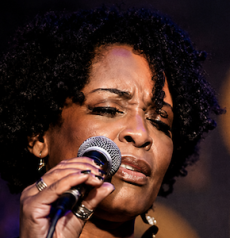
LORI WILLIAMS
An internationally acclaimed jazz vocalist with more than three decades of performance, recording and music-education experience, Williams brings a rare combination of sophistication, sensuality and emotional truth to the stage. Her voice moves effortlessly from the elegance of traditional jazz to the warmth of soul and contemporary grooves, and her career has taken her from celebrated jazz rooms and festivals across the United States to stages throughout Europe, Japan and the Caribbean. Along the way, she has performed and collaborated with an extraordinary roster of artists including Stanley Clarke, Nathan East, George Duke, Peabo Bryson, Norman Brown and Terri Lyne Carrington.
But Lori Williams’ influence extends well beyond the microphone. A respected educator, mentor, songwriter, producer and advocate for the music, she currently serves as a Governor on the Atlanta Chapter Board of the Recording Academy—the organization behind the Grammy Awards.
Cover: $44.00
More Posts: adventure,bandleader,club,jazz,music,preserving,travel,vocal
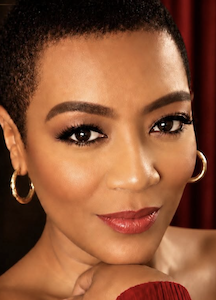
TONI BYRD
Toni Byrd, known as The Velvet SongByrd, is an internationally acclaimed jazz vocalist and songwriter celebrated for her elegant, soulful voice and cinematic stage presence. A Memphis native now based in Atlanta, she has performed worldwide and continues to captivate audiences through her acclaimed tribute production Toni Sings Natalie… A Tribute to Natalie Cole, blending timeless artistry with heartfelt storytelling that resonates across generations.
Her performance history includes a featured appearance in 2026 at the National Center for Civil and Human Rights in Atlanta, hosted by the United Negro College Fund (UNCF) to honor the leadership, legacy, and impact of UNCF women presidents. Her greatest honor came in 2016, when she performed at the White House under the Obama Administration.
Cover: $ TBD
More Posts: adventure,bandleader,club,genius,instrumental,jazz,music,preserving,travel,vocal