Requisites
Oscar Peterson et Joe Pass á Salle Pleyel ~ Oscar Peterson and Joe Pass | By Eddie Carter
Back in 1987, I had the opportunity to see pianist Ellis Marsalis give a solo concert at the Tri-C Jazz Fest in Cleveland, Ohio. He shared a thought with the audience that I never forgot: “I enjoy performing solo, it’s just you and the audience. You can’t hide behind other musicians, and you have to hold their attention for an hour or two.” I bring this up because this morning’s album from the library is an excellent collaboration between pianist Oscar Peterson (tracks A1 to B2, C3 to D4) and guitarist Joe Pass (tracks B3 to D4). Oscar Peterson et Joe Pass à Salle Pleyel (Pablo Records 2657-015) is a captivating two-record set that captures both jazz legends at the height of their skills, performing solo and together before a lively audience. The copy I own is the 1975 U.S. mono release.
Oscar Peterson opens the evening with I’ve Gotta Right to Sing The Blues by Harold Arlen and Ted Koehler. The pianist brings out the jazz standard’s elegance in a delightful rendition that ends softly before the crowd erupts in applause. The pace picks up for Mirage by Oscar Peterson, with a brisk melody leading into the pianist’s effervescent reading, which builds to a peak of undeniable pleasure before descending back to the closing chorus and a rousing climax. Tenderly, by Walter Gross and Jack Lawrence, is one of the most beautiful and evocative jazz standards ever recorded. Oscar starts with the cascading piano notes dancing across the keyboard into the theme, followed by a tastefully elegant presentation, then returns to the melody’s reprise for a gorgeous finish.
(Back Home Again in) Indiana by James F. Hanley and Ballard MacDonald began as a charming 1917 Tin Pan Alley pop song and ultimately became a jazz standard. Oscar’s rendition is full of energy, allowing him to glide skillfully through each verse vigorously. The familiar theme reappears, earning him enthusiastic, well-deserved applause from the audience. The first side concludes with a forties show tune, It Never Entered My Mind by Richard Rodgers and Lorenz Hart. Peterson slows the tempo to a subdued pace, beginning an elegantly peaceful introduction and melody. In this song, he shows he is a master of ballad interpretation, delivering a very pretty performance that precedes the closing chorus and an attractive finale.
Side Two gets underway with a medley of Ellingtonia, beginning with one of Duke’s theme songs, Take the A’ Train by Billy Strayhorn. Peterson opens this classic with an astounding performance, before slowing down to begin In a Sentimental Mood by Duke Ellington, Manny Kurtz, and Irving Mills. Oscar turns in an intimately delicate rendition, then turns the page to open Duke’s Satin Doll, written with Billy Strayhorn and Johnny Mercer, where he has plenty to say in a short space. Lady of the Lavender Mist, a little-known Duke Ellington ballad, is up next and receives a heartwarming, sultry, and sincere treatment ahead of the medley’s finale, Things Ain’t What They Used To Be by Mercer Ellington and Ted Persons. Peterson’s solo is beautiful, the epitome of grace and warmth, and ends with the crowd’s approval.
Oscar brings his set to a close with a rollicking rendition of Sweet Georgia Brown by Ben Bernie, Ken Casey, and Maceo Pinkard. The pianist makes the piano sing as his fingers fly effortlessly over the keys through the opening and closing chorus and a short, speedy solo that dresses up the old twenties song. He exits to thunderous applause, and Joe Pass takes over to begin his portion of the evening’s performance with Darn That Dream, by Jimmy Van Heusen and Eddie De Lange. The guitarist navigates the melody and an extensive solo as efficiently as if he were speaking to an old friend. Joe carefully crafts each chorus into an exquisitely well-behaved and delicately stylish reading until the standard’s climax and a rapturous ovation from the audience.
Pass ends the first record by giving the crowd a two-song medley of his own. The Summer Knows (theme from“Summer of ‘42”) and What Are You Doing The Rest of Your Life? by Alan and Marilyn Bergman and Michel Legrand. In the opener, Joe opens with a passionately soothing melody and a solo of romantic tenderness. In the closer, he reaches into the heart of the melody, and his solo reveals a polite sensitivity that culminates in a lovely finale. Side Three of the concert begins with the first of two Cole Porter originals, Everything I Love. Joe delivers a very tender melody and solo ahead of a tranquil ending. It’s All Right With Me moves the beat upward for a brisk theme, radiating a rich tone as his fingers fly through the uptempo groove, each note drawing the audience’s attention deeper into the song before the close and their ovation.
Stella By Starlight by Victor Young and Ned Washington starts with Joe’s introduction deceptively at a ballad tempo, when Oscar returns and joins him for a lightly swinging melody. Pass leads off with an impeccable opening statement, then Peterson follows, delivering an enticing performance, wrapping up with energy to spare in the song’s upbeat ending and huge ovation. Just You, Just Me by Jesse Greer and Raymond Klages opens as a playful chase with Oscar and Joe trading lines through the melody. Pass goes first, his fingers flying over the strings while Peterson lays down a driving support. The pianist takes over and soars into the stratosphere in a breathtaking display of virtuosity. Finally, both men converge for a rapid run in the theme’s reprise, earning a thunderous ovation from the crowd.
If by David Gates is a pretty song that became a hit for his group, Bread. It opens Side Four with the duo’s disciplined performance, featuring a beautiful introduction and a tender theme. Pass takes the lead with a graceful interpretation, then Peterson enriches every note of a heartfelt performance, culminating in a hauntingly tranquil and satisfying ending. Honeysuckle Rose by Fats Waller and Andy Razaf was initially a dance number in a 1929 revue. Oscar and Joe get things off to a good start with their collaborative melody. The guitarist opens with crisp, exuberant verses that pack an aggressive impact. Peterson follows with a robust reading, then both Joe and Oscar exchange thoughts in a captivating conversation before the theme’s restatement and finish.
The final two selections of the evening’s performance are two originals by Joe Pass and Oscar Peterson, beginning with Blues For Bise. It kicks off with a lively, high-octane romp through the melody. Pass sets a blistering pace in the opening statement, then Peterson continues with electrifying speed in a brilliant blur of syncopated rhythm. The two musicians then converge to bring the song home together, prompting a thunderous ovation from the audience lasting nearly two minutes. Pleyel Bis signs off the duo’s performance, slowing the pace to a medium groove for Joe and Oscar to explore the introduction and theme together. Joe takes the lead solo at a comfortable pace, then Oscar responds with an inspired interpretation. Both musicians take flight last, in a pleasant reading that precedes the reprise and climax.
Norman Granz produced this live date, but it’s unknown who recorded the album during the musician’s performance. The sound quality on my copy is quite good, with a delightful soundstage transporting the listener to the Salle Pleyel audience. Both Oscar Peterson and Joe Pass would return to the venue three years later to record another live album with Niels Pedersen. Oscar Peterson et Joe Pass à Salle Pleyel showcases two phenomenal artists performing at the very height of their abilities. If you’re on the fence about adding this LP to your library, I invite you to check it out the next time you’re visiting your favorite record shop. It’s an outstanding live album that serves as an excellent gateway to the rich body of work each artist has created, and I highly recommend it for a spot on your shelf!
~ The Paris Concert: Salle Pleyel, 1978 (Pablo Live 2620-112) – Source: Discogs.com
~ Back Home Again in Indiana, Darn That Dream, Honeysuckle Rose, In a Sentimental Mood, It’s All Right With Me, It Never Entered My Mind, Satin Doll, Stella By Starlight, Sweet Georgia Brown, Take The ‘A’ Train, Tenderly, Thing Ain’t What They Used To Be – Source: JazzStandards.com
~ I Gotta Right to Sing The Blues, If, What Are You Doing For The Rest Of Your Life? – Source: Wikipedia.org
>© 2026 by Edward Thomas Carter
More Posts: choice,classic,collectible,collector,guitar,history,instrumental,jazz,music,piano

Requisites
Rollins Plays For Bird ~ Sonny Rollins Quintet With Kenny Dorham and Max Roach | By Eddie Carter
On May 25, 2026, the jazz world lost a true legend, Sonny Rollins, who passed away at the age of 95. Today’s discussion is one of my favorites by the tenor saxophonist, which doesn’t get talked about as much. In 1956, he went into the Van Gelder Studios and recorded three albums: Saxophone Colossus, Tenor Madness, and this morning’s album submitted for your approval, Rollins Plays For Bird (Prestige PRLP 7095). In this tribute to Charlie Parker, the tenor saxophonist is joined by Kenny Dorham on trumpet, Wade Legge on piano, George Morrow on bass and Max Roach on drums. The copy I own is the 2021 Analogue Productions U.S. mono audiophile-remastered reissue, sharing the original catalog number from The Prestige Mono Series.
Side One gets underway with the side-long Bird Medley. Rollins and Legge’s introduction leads into I Remember You by Victor Schertzinger and Johnny Mercer. After establishing an easy groove in the melody, Sonny is the dominant presence here and plays in the opening solo with authority. He and Max have a brief conversation before Legge changes gears to My Melancholy Baby by Ernie Burnett and George A. Norton. Dorham takes the lead during the melody and the first solo, delivering a remarkably disciplined performance. The trumpet shares a brief spotlight with Roach, leading to Wade taking center stage as the trio shines on the melody of Old Folks by Willard Robison and Dedette Lee Hill. Wade opens with a charming solo, then he and Max exchange ideas briefly before the ensemble moves into the next song.
Rollins returns as the Bird Medley continues with They Can’t Take That Away From Me by George and Ira Gershwin. The quartet lets us know we’re in for a treat with a bright theme, then Rollins steps into the opening statement with a passionately playful solo. He again shares a well-executed conversation with Roach, before Dorham gets his second turn in the spotlight with Just Friends by John Klenner and Sam A. Lewis. The trumpeter is merry and playful on the melody, and glides with ease in the opening solo. Dorham and Roach get together again in a gentle swing ahead of the trio’s second appearance to present My Little Suede Shoes by Charlie Parker. Legge gets things off to a good start with an opening presentation that soothes the soul and eases the mind, preceding his short exchange of riffs with Roach into the close.
The medley’s longest tune, Star Eyes by Don Raye and Gene DePaul, concludes the first side. The rhythm section brings the song to life, segueing into the opening ensemble. Sonny’s with effervescent enthusiasm is sure to have your fingers snapping and toes tapping. Kenny follows with a solo that’s nearly a scene-stealer, then Wade takes over with a captivating presentation. Sonny, Max, and Kenny share their thoughts, driving straight into the theme’s reprise and fadeout. Side Two opens with the quintet’s leisurely introduction and theme of Kids Know by Sonny Rollins. Sonny steps out first with an almost stately solo. Kenny comes next with a relaxing reading that flows effortlessly, then Wade steps in with a laid-back statement. The front line shares a few moments with Max before the drummer wraps up everything ahead of the finale.
The group slows the pace down for I’ve Grown Accustomed To Your Face by Alan Jay Lerner and Frederick Loewe. The quartet opens with an intensely personal melody. Sonny’s opening solo is filled with sensitive warmth, and then Wade maintains the loveliness in the next performance with simple, effective empathy. Sonny punctuates the solos with a few final thoughts, leading to a restatement of the theme and a gentle ending. It’s a strong summation of an album that sparkles with marvelous music throughout, exciting, evocative solos, and exceptional performances by the Sonny Rollins Quintet. Bob Weinstock supervised the initial session, and Rudy Van Gelder managed the recording console. Kevin Gray mastered the reissue, and its sonics are sensational, with crystal-clear sound across the highs, midrange, and bass.
The front cover of this AP reissue is a deluxe high-gloss, tip-on album jacket. The vinyl is a 200-gram pressing by Quality Record Pressings and is dead silent until the music starts. Sonny Rollins was a celebrated jazz tenor saxophonist who is regarded as one of the most influential musicians in jazz history. Most self-taught, Rollins joined a high school band where he performed with classmates who would also become prominent jazz figures. Over his career spanning 70 years, Rollins released more than 60 albums as a leader and contributed to 26 releases as a sideman. He was called “the greatest living improviser,” and was the final surviving member among 57 iconic jazz musicians featured in the 1958 photograph, A Great Day in Harlem.
Throughout Rollins Plays For Bird, Sonny Rollins and company demonstrate remarkable technical skill and a profound appreciation for Charlie Parker’s influence. The album stands out not only as a heartfelt homage but also as a platform for each musician’s individual artistry. Sonny Rollins commands the session with confidence, Kenny Dorham contributes lyrical elegance, and Max Roach provides a steady, energetic foundation. If you’re already a fan or just beginning to discover his artistry, I invite you to check out Rollins Plays For Bird by the Sonny Rollins Quintet. It’s an overlooked gem, perfect for any time of day or when the house is quiet after a long day or week, and it should make a welcome addition to any jazz library!
~ Saxophone Colossus (Prestige PRLP 7079), Tenor Madness (Prestige PRLP 7047) – Source: Discogs.com ~ I Remember You, Just Friends, My Melancholy Baby, Old Folks, Star Eyes, They Can’t Take That Away From Me – Source: JazzStandards.com ~ I’ve Grown Accustomed To Your Face – Source: Wikipedia.org © 2026 by Edward Thomas Carter
More Posts: choice,classic,collectible,collector,history,instrumental,jazz,music,saxophone

ALLAN HARRIS
250 Years of Black Music: From Spirituals to Soul
The evening is a journey through the sounds that carried us through slavery, Reconstruction, jazz, blues, gospel, civil rights, soul, and beyond. These songs are more than entertainment. They are history lessons, survival codes, prayers, love letters, protest marches, and declarations of humanity.
Cover: Free | Tickets Required
More Posts: adventure,bandleader,composer,educator,genius,instrumental,jazz,music,preserving,travel,vocal
QUATRE
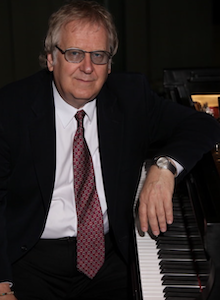
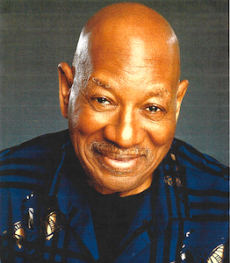
Bassist Joel Powell, drummer Chris Burroughs, pianist Tyrone Jackson and trumpeter Joe Gransden take to the stage on a Sunday evening of jazz at the Red Light Cafe.
These four musicians have been individually holding down the jazz scene in Atlanta and the metropolitan area for more than thirty years. They have played off and on with one or more in different configurations and come together as a quartet for a one night only performance.
Cover: $15.00 advance | $20.00 at door
More Posts: adventure,bandleader,bass,club,drums,genius,instrumental,jazz,music,piano,preserving,travel,trumpet

Requisites
Portraits at The Penthouse – Live in Seattle ~ Bill Evans –| By Eddie Carter
I was still in a mindset to hear another pianist-led release after listening to Mal Waldron, so I chose a Bill Evans album that has become a favorite in my household. Portraits at The Penthouse: Live in Seattle (Resonance Records HLP-2979) is the 8th album reissued by the Bill Evans estate and captures the pianist and his trio in performance over two May nights. The program consists of eight originals and two standards. Sharing the spotlight with Bill Evans are Eddie Gomez on bass and Joe Hunt on drums. The copy I own is the 2025 U.S. Record Store Day, Deluxe Edition, Limited Edition, mono audiophile pressing. Number 1849 of 5000.
The trio’s introduction welcomes the audience into the Penthouse’s intimate atmosphere. They then begin the first night’s set with a lively rendition of How My Heart Sings by Earl Zindars, the title tune from Bill’s 1964 release. Bill steps up first after the opening chorus for a jaunty statement, with an almost dance-like resilience. Eddie takes over, showing how he can build an outstanding solo, while Joe provides excellent support behind them into the reprise and close. ’Round Midnight by Thelonious Monk, Bernie Hanighen and Cootie Williams is one of jazz’s most beloved and recorded standards. The trio honors the classic by beginning the theme that gently glows like embers in a hearth. Evans opens with a graceful solo, radiating warmth and charm. Gomez responds with a tender, heartfelt statement, leading to a beautiful conclusion.
Up next is Come Rain or Come Shine by Harold Arlen and Johnny Mercer, which begins with Bill’s solo introduction, segueing into the ensemble’s medium melody. Bill gets things off to a good start in the opening statement with an infectious swing. Eddie comes in next and conveys his message with authority, preceding the trio’s theme restatement and soft climax. The second night’s set gets underway with Nardis by Miles Davis, and the trio begins by cruising comfortably on the opening melody. Eddie kicks off the opening solo with a lengthy, leisurely walk that swings easily. Bill comes in next and dines on a splendid performance, leading to the theme reprise and soft finale that receives a warm ovation from the club audience.
Earl Zindars’ second contribution to the album is his beautiful ballad, Elsa, which first appeared on “Explorations.” Bill has the stage to himself for the introduction, ahead of the lovely opening ensemble. Evans sets things in motion with a lyrical solo that builds to an effective climax. Eddie follows with one of his most thoughtfully sensuous interpretations, and Bill brings the trio back to the ending theme with a few final thoughts. The second side starts with Bill’s gorgeous introduction to Time Remembered by Bill Evans. The trio’s melody gets things going before stepping aside for Bill’s opening solo that gradually shifts from a gentle, understated mood to a livelier one. Eddie steps in next with a tender reading, until the groups return to the ending theme, with approving applause from the crowd.
Who Can I Turn To? by Leslie Bricusse and Anthony Newley debuted in the 1965 Broadway musical, “The Roar of the Greasepaint – The Smell of the Crowd.” Bill’s solo introduction adds emotional depth, leading to the trio’s lightly swinging theme. Eddie sets the tone with a wonderfully delicate interpretation, then Bill rolls ahead in the following solo before the trio’s closing chorus ends the song on a good note. The beat slows down again for Bill’s tender introduction to Detour Ahead by Lou Carter, Herb Ellis, and Johnny Frigo. The lightly swinging pace picks up for the group’s theme. Eddie is up first and walks with a lively bounce that’s easy to listen to. Bill then effectively illustrates a few melodic ideas, leading back to the out-chorus and the crowd’s approval.
A sprightly piano introduction by Evans sets the tone for Autumn Leaves by Jacques Prévert, Johnny Mercer, and Joseph Kosma. The trio’s melody dresses up this old favorite for Eddie’s opening statement, shared with Joe’s spirited brushwork. Bill follows with a short solo that sizzles with exhilaration ahead of the theme’s restatement and ovation from the audience. The ensemble’s theme returns, a bright-tempoed rendition of How My Heart Sings by Earl Zindars, beginning with a lively opening chorus. Bill leads the way in the first of two solos, and his first swings with scintillating skillfulness, matched by the steady support of Eddie and Joe. Eddie follows with energetic exuberance on the second statement, then the pianist cooks on a vigorously spicy comment before the group takes it out.
I Should Care by Sammy Cahn, Alex Stordahl, and Paul Weston brings the album to a close with a fun tune from the first few notes of the trio’s brisk theme. Eddie has the solo spotlight to himself in a happy, effervescent performance, which flows efficiently to the out-chorus and a very fulfilling finish. Zak Shelby-Szyszko was the album’s production manager. Zev Feldman produced Portraits at The Penthouse for release. Charlie Puzzo, Jr., and Zak Shelby-Szyszko were the associate producers. George Klabin was the executive producer, and Jim Wilke was the engineer. Matthew Lutthans mastered the album. It’s a good recording, but not perfect. The piano tends to be somewhat subdued and less forward in the mix compared to the bass. Occasionally, tape is noticeable, though it doesn’t persist throughout the album.
The record was pressed on 180-gram vinyl in a deluxe-edition gatefold and transferred from the original master tapes. Also included in this album is a 16-page booklet with rare photos by David Azoze and others, plus interviews with Joe Hunt, Eddie Gomez, and Bob James. Even though a few tracks may not have perfect sound quality, fans of Bill Evans seeking relaxing music after a busy day or week will find Portraits at The Penthouse to be an enjoyable live album with comforting moments and musical gems you’re sure to enjoy!
~ Explorations (Riverside RLP 351/RLP 9351), How My Heart Sings (Riverside RM 473/RS 9473) – Source: Discogs.com Autumn Leaves, Come Rain or Come Shine, I Should Care, ‘Round Midnight – Source: Jazz Standards.com ~ Detour Ahead, Nardis, Time Remembered, Who Can I Turn To? – Source: Wikipedia.org © 2026 by Edward Thomas Carter
More Posts: choice,classic,collectible,collector,history,instrumental,jazz,music,piano