

Requisites
After Lights Out ~ Tubby Hayes Quintet | By Eddie Carter
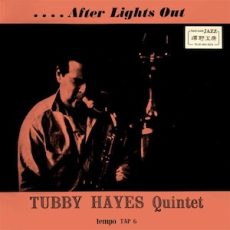
This morning’s spotlight shines on a 1956 release by the Tubby Hayes Quintet, After Lights Out (Tempo TAP 6). It was Tubby’s seventh release as a leader, showcasing his growing influence in jazz. Teddy was born on January 30, 1935, in St. Pancras, London, and grew up in the Raynes Park neighborhood in the southwest of the city. His father, a talented violinist at the BBC studios, started teaching him the instrument when he was very young. By the time he was ten, he was also playing the piano, and at eleven, he took up the tenor saxophone. One of his earliest musical inspirations was the trumpeter Dizzy Gillespie. He’s joined on this date by Dickie Hawdon on trumpet, Harry South on piano, Peter Elderfield on bass and Bill Eyden on drums. The copy I own is the 2011 Japanese limited-edition mono reissue, sharing the original catalog number.
Side One kicks off with Ode to Ernie by Harry South. The quintet brings this upbeat tune to life with their brisk melody. Hawdon leads the way with a spirited solo, then Hayes takes the next performance for a lively ride. Young adds the exclamation mark with a concise comment before the ensemble returns for the closing chorus, including a short remark by Eyden. No, I Woodyn’t by Tubby Hayes is built on the changes of “Woody ‘n You,” by Dizzy Gillespie, and the group begins with a Latin-flavored theme. Tubby sinks his teeth into the opening statement, then Hawdon follows with a happy tone that’s sure to get your toes tapping. Young takes the reins next and delivers a delightful performance. Both horns share a short conversation with Eyden before his first solo of the set ahead of the closing ensemble.
Up next is Foolin’ Myself, a beautiful and little-known ballad by Jack Lawrence and Peter Tinturin. The front line takes the lead for a warm, affectionate melody. Hawdon opens with a thoughtfully tender solo, then Hayes unfolds a sensuously sweet statement, while the rhythm section provides a lush foundation, leading into the gentle reprise and close. The first side ends with a lightly swinging rendition of Nicole by Howard McGhee. The quintet sets the song’s tone with the easy-flowing theme. Hayes comes out cooking in the opening solo, then Hawdon builds on what Hayes began with a few attractive ideas. Young takes charge next in the third statement, then steps aside for Hayes and Hawdon, who engage in a brief exchange. The full ensemble returns for the theme’s reprise, during which Eyden has a short workout.
The quintet opens the second side with Message to the Messengers by Harry South, a leisurely-paced melody that gets things started. Hayes is up first with a bluesy interpretation that gets things off to a good start. Hawdon takes over on muted trumpet and provides a tremendous compliment to the saxophonist. Young brings out the best in the third reading, and Elderfield makes a brief point during the theme’s restatement. Hall Hears The Blues by Harry South is the pianist’s tribute to Tony Hall’s Record Mirror weekly jazz column. The trio’s introduction and melody segues into Young’s opening statement. Hayes follows with a model of melodic creativity; next, Hawdon treats us to authentic down-home cooking in a soulful solo. The front line shares a carefree exchange before Elderfield has the last word, before the group takes the song out.
Tony Hall supervised the session and wrote the album’s liner notes. Bert Steffens was behind the dials of the recording console. The album’s sound quality is superb, with a stunning soundstage that transports listeners to the studio where the musicians are performing. Tubby Hayes amassed a large discography as a leader and worked with many elite musicians, including co-leading The Jazz Couriers with Ronnie Scott. If you’re in the mood for an excellent hard bop album by one of the best British saxophonists, I offer for your consideration After Lights Out by the Tubby Hayes Quintet, the next time you’re out record-shopping. It’s a terrific album to enjoy with family and friends after dinner, or to have on hand for a quiet moment alone after the lights are out!
© 2026 by Edward Thomas Carter

More Posts: choice,classic,collectible,collector,history,instrumental,jazz,music,saxophone