

Daily Dose Of Jazz…
Jimmy Maxwell: The Trumpet Master You’ve Heard a Thousand Times
Born on January 9, 1917, in Stockton, California, Jimmy Maxwell was practically born with a trumpet in hand—he picked up the instrument at the remarkable age of four. Even as a child prodigy, he understood the value of serious training, studying throughout the 1930s with a roster of legendary brass teachers, including the renowned Herbie Clarke.
A Young Gun in the Swing Era
During the vibrant 1930s, Maxwell’s precocious talent found him working alongside some of the biggest names in jazz: Gil Evans, Jimmy Dorsey, vocalist Maxine Sullivan, and bandleader Skinnay Ennis. His big break came when he joined the prestigious Benny Goodman Orchestra—a gig that announced his arrival as a world-class player.
The Golden Age of Television
In 1943, Maxwell transitioned to what would become a legendary three-decade run as a studio musician for NBC. Night after night, his trumpet graced America’s living rooms through The Perry Como Show, The Patti Page Show, The Pat Boone Show, and The Tonight Show. While many musicians might have settled into such comfortable work, Maxwell’s restless talent demanded more.
A Secret Weapon on Countless Sessions
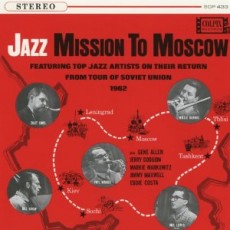
Maxwell’s studio work was merely the foundation. In 1962, he toured the Soviet Union during the height of the Cold War—music as cultural diplomacy. He appeared on hundreds of recordings and commercials, becoming one of those invisible giants whose sound defined an era. As a sideman, he lent his brilliant tone to sessions with Woody Herman, Count Basie, Duke Ellington, Oliver Nelson, Gerry Mulligan, Maynard Ferguson, Quincy Jones, the New York Jazz Repertory Company, and Chuck Israels’ National Jazz Ensemble.
That Haunting Solo
Perhaps Maxwell’s most iconic moment came when he played the unforgettable trumpet solo for The Godfather soundtrack—that lonely, haunting theme that perfectly captured the film’s operatic melancholy. Millions heard it; few knew the master behind it.
Full Circle
Later in life, Maxwell returned to his roots, working with Dixieland jazz and swing ensembles and even reuniting with Benny Goodman for nostalgic performances. In 1977, he finally stepped into the spotlight as a leader, recording a session for Circle Records—a rare glimpse of Maxwell unfiltered.
Though he eventually retired from recording and performing, Maxwell never stopped teaching. From 1950 until 2001—an astonishing fifty-one years—he passed on his knowledge to new generations of brass players. When he passed away on July 20, 2002, the world lost not just a brilliant musician, but a patient mentor who had helped shape the sound of American music for over seven decades.
If you’ve watched television, heard a commercial, or listened to jazz from the mid-20th century, you’ve almost certainly heard Jimmy Maxwell’s trumpet—even if you never knew his name.
More Posts: history,instrumental,jazz,music,trumpet