


Daily Dose Of Jazz…
Dave Pell was born on February 26, 1925 in New York City. Growing up in Brooklyn between Brighton and Manhattan beaches, as a teenager he was playing the saxophone and touring with the Tony Pastor, Bob Astor, and Bobby Sherwood bands as a teenager, before moving to California in the mid-’40s. He found work with Bob Crosby on the Ford radio show in 1946, and then played with the Les Brown band from 1947 to 1955.
Drawing from the ranks of the Brown band, Pell, one of the founding fathers of the West Coast jazz, began leading his own groups in 1953, usually in an octet format, augmented by guests like Pepper Adams, Benny Carter, Mel Lewis, Red Mitchell, Marty Paich, and Art Pepper.
He also played as a sideman on records by Shorty Rogers, Pete Rugolo, Benny Goodman, and Gene Krupa in the 1950s, while recording under his own name for Atlantic, Kapp, Coral, Capitol, and RCA Victor.
During the 1950’s and ‘60s his primary focus of activity in the record business was as a producer for the budget Tops label and Liberty, supervising a few hit pop/rock records for Gary Lewis & the Playboys.
Then in the late 1970s Dave put together a tribute band to Lester Young called Prez Conference, recording two albums for GNP/Crescendo. In the ’80s and ’90s, the saxophonist and bandleader revived his octet for recordings and sporadic live dates in the Los Angeles area, including an appearance at the Jazz West Coast festival in 1994. He has had several reissues on CD along with a few imports and new recordings over the past decade. Saxophonist Dave Pell, known for his octet recordings and performances, passed away on May 7, 2017, at the age of 92.

More Posts: saxophone
Daily Dose Of Jazz…
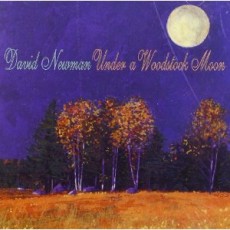
David Newman Jr. was born on February 24, 1933 in Corsicana, Texas. He got his nickname in high school when his then music teacher noticed his upside down sheet music tapped him on the head with his conductors baton and called him “Fathead”. Preferring to be called David, the jovial Newman accepted the nickname that stuck with him his whole life.
Moving to Dallas he graduated from Lincoln High School, began playing flute and tenor at local shows, and received a scholarship to Jarvis Christian College where he studied theology and music for two years. This brief stay was followed with him on the road touring with Bester Smith (Charlie Parker’s mentor) and dance hall one-nighters with T-Bone Walker.
Newman’s professional career as a musician began in 1954 as a member of the Ray Charles Band playing baritone sax that was the beginning of a twelve-year relationship followed by ten years with Herbie Mann and playing with Red Garland for a period in the 70’s. By the late 90’s he was recording for HighNote Records and a long and profitable relationship started producing some ten albums.
For over a half century, Newman recorded over thirty-eight albums under his own name beginning in 1958 with Fathead – Ray Charles Presents David Fathead Newman. Although best known for his hard bop style, he’s recorded with James Clay, Cannonball Adderley, Stanley Turrentine, Aretha Franklin, B. B. King, Natalie Cole, Average White Band, Eric Clapton, Jimmy McGriff and many others.
Always a musicians’ musician, Newman has influenced whole generations of saxophone players of different genres including R&B, blues and country, and texmex. On January 20, 2009, saxophonist and flautist David “Fathead” Newman died from complications of pancreatic cancer in Kingston, New York at age 75.
Daily Dose Of Jazz…
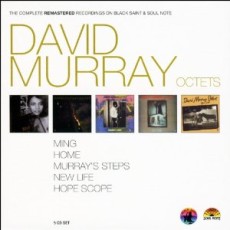
David Murray was born on February 19, 1955 in Oakland, California to musical parents, his mother played piano and his father, guitar. He was introduced to jazz while in the Berkeley school system playing alto in the school band. By thirteen he was in a local group called the Notations of Soul, but it was hearing Sonny Rollins that gave him the inspiration to switch from alto to tenor.
Influenced by Stanly Crouch while attending Pomona College, he moved to New York at 20 during the jazz loft era in lower Manhattan. Joining up with Crouch they opened their own loft space called Studio Infinity and Crouch occasionally played drums in Murray’s trio with Mark Dressler.
Murray’s early work was raw filed with multiphonics, extreme volume and upper register forays. By 1976 he recorded his first album “Flowers For Albert” and along with Julius Hemphill, Oliver Lake and Hamiet Bluiett became a founding member of the World Saxophone Quartet. Around the same time Joseph Papp commissioned David for a big band assemblage that enjoyed a modicum of critical success.
Through the 80’s he continued to play with the WSQ, his octet and various small bands, recording mostly for Italy’s Black Saint label, showcasing his rough and unformed talent as a composer. His recording dates became a flurry for the next two decades, leading more sessions than any other contemporary jazz musician. His playing matured and he began relying on the standard jazz repertoire when playing in small combo configurations. Yet by the time he was 40, his relative predictability was offset by his attention to the craft of playing and his inimitable style while his increased skill as a composer. In addition to winning a Grammy for Best Jazz Instrumental Group Performance for Blues for Coltrane: A Tribute to John Coltrane, over the course of his career he has been awarded a Guggenheim Fellowship, received a Bird Award, the Jazzpar Prize and has been named Musician of the Year by Newsday and Musician of the Decade by the Village Voice.
Murray mainly plays tenor saxophone and bass clarinet influenced in the free jazz genre of Albert Ayler and Archie Shepp. He has played with a host of world-renowned musicians, of which he is a member and continues to perform, record and tour.


Daily Dose Of Jazz…
Pete Christlieb was born on February 16, 1945 in Los Angeles, California to bassoonist Don Christlieb. He began his musical career playing the violin at seven, adding the tenor sax by thirteen. After high school he played with diverse L.A. bands in the early 60’s including those led by Chet Baker, Woody Herman and Sy Zenter. He joined Louis Bellson in 1967 and stayed into the eighties.
He recorded his first leader session for the Jazz City label in 1971 and by the early 80’s he started his own label, Bosco Records that would issue small group albums as well as records by Bellson and Bob Florence.
Christlieb has long been in demand as a studio player and the saxophonist has played with innumerable artists including Count Basie, Benny Goodman, Quincy Jones and Sarah Vaughan while also knocking out legendary solos on Steely Dan’s Deacon Blues, Natalie Cole’s Unforgettable and the extended solo on the movie theme FM. He held a longtime seat in Doc Severinsen’s band on The Tonight Show with Johnny Carson.
Pete Christlieb, a bebop, hard bop and West coast tenor saxophonist currently plays with his group the Tall and Small Band, the Bill Holman Orchestra and his own quartet.
More Posts: saxophone
Daily Dose Of Jazz…
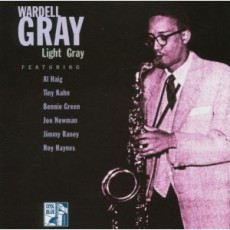
Wardell Gray was born the youngest of four children on February 13, 1921 in Oklahoma City, Oklahoma. Though his early years were spent there, in 1929 his family moved to Detroit. By 1935 he attended Northeastern High but soon transferred to Cass Technical High, whose noted alumni were Donald Byrd, Lucky Thompson and Al McKibbon. After year and before graduating Wardell dropped out and began playing the clarinet, but it was hearing Lester Young that drove him to pick up the tenor.
He played around Michigan in various bands led by pianist Dorothy Patton, Jimmy Raschel and Benny Carew and by 1941 a short-lived marriage produced a daughter. Gray got his big break when he joined the Earl Hines Orchestra in 1943, not only nationally known but had nurtured the careers of Dizzy Gillespie and Charlie Parker. For the young tenor he toured all over the country for the next three years becoming a featured soloist and subsequent recordings showed a relaxed, fluent stylist.
After leaving Hines, Wardell settled in Los Angeles and started recording under his own name for the Sunset label. He also worked with Benny Carter, Billy Eckstine and blues singer Ivory Joe Hunter. But it was Central Avenue that he found his greatest pleasure playing after-hours sessions, attracting the owner of Dial Records to hire him to play showcases for Charlie Parker, showing no signs of intimidation. On the avenue Gray held tenor battles with Dexter Gordon and his light sound and swift delivery was a match for Dexter’s big sound. The tenor jousts soon became a symbol for the Central Avenue scene.
With his career moves progressing he joined Benny Goodman’s small groups in 1947 and although musically successful, it was not financially. In ’48-‘50 he moved between Count Basie and Benny Goodman, recorded with Tadd Dameron, ended his second marriage and formed a septet that included Clark Terry and Buddy DeFranco bringing to audiences a very relaxed swinging band. Over the next few years he got married for the third time, did a few recording dates with Art Farmer, Hampton Hawes, Dexter Gordon and Teddy Charles, and performing most notably with Gerald Wilson’s Orchestra trading choruses with Zoot Sims and Stan Getz.
One of the top tenors to emerge during the bop era, Wardell Gray passed away under mysterious circumstances, found on a stretch of desert outside Las Vegas with a broken neck, on May 25, 1955.

More Posts: saxophone