

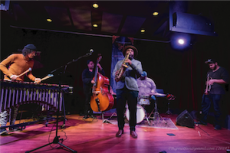
ROY HARGROVE BIRTHDAY TRIBUTE
CELEBRATING THE CO-FOUNDER OF THE JAZZ GALLERY
Jaleel Shaw ~ saxophones
Giveton Gelin – trumpet
Orrin Evans -piano
Mimi Jones -bass
Johnathan Blake –drums
With Special Guests
Renee Neufville -vocals
Tadataka Unno -piano
Justin Robinson –saxophone
Guest MC: Lezlie Harrison
Sets at 7.30pm + 9.30pm ET
$30/$10 members; cabaret seating: $40/$20 members; LIVESTREAM: $20/$5 members
More Posts: adventure,album,bass,club,drums,festival,genius,jazz,museum,music,piano,preserving,restaurant,saxophone,travel,trumpet,vocal

CÉCILE MCLORIN SALVANT
In just under a decade, Cécile McLorin Salvant has emerged as one of the most prescient and fearless voices in music today, evolving from a competition winner and favorite of jazz critics, to a three-time Grammy Award winner and MacArthur fellow. Her recording The Window topped best of the year lists everywhere from Jazzwise magazine and Rolling Stone to the NPR Music Jazz Critics Poll and The New York Times and her latest recording Ghost Song is sure to follow a similar path. Be there for her triumphant return to the DACAMERA stage, where she debuted early in her career in 2014.
More Posts: adventure,album,club,festival,genius,jazz,museum,music,preserving,restaurant,travel,vocal

TONY HIGHTOWER
Singer/Songwriter Tony Hightower is taking up the mantle to be a bridge that ushers R&B audiences into Jazz…Real Jazz. With years of experience as a musical performer and actor with familial roots that place him firmly within the music’s firmament, Atlanta-native Hightower is still just getting started on this benevolent turn in his journey. And he is bringing a lot of young people with him.
His sophomore project, LEGACY, finds Hightower exploring Jazz vocal stylings from a dazzling prism of angles. The 10-song album moves confidently and assuredly from original compositions such as the soulful scat-laced “All to the Good,” the seductive Brazilian bossa nova of “Rendezvous” and the tender carnal Jarreau-esque love beg “I Need You” to swingin’ covers of Earth, Wind & Fire’s classic Skip Scarborough-penned “Can’t Hide Love,” a mean shuffle boogie groove through Al Green’s “Love and Happiness” and a smoldering upright bass accompanied tiptoe through the 1929 Andy Razaf standard “Gee, Baby, Ain’t I Good To You” made further famous in 1944 by one of Hightower’s greatest and earliest Jazz vocal heroes, Nat “King” Cole. That one’ll make the women wiggle.
“I didn’t have a choice about doing this music,” Hightower confesses. “My mother, Theresa Hightower, lived her life onstage. She was a fiery and versatile vocal pro by age 16 and had me when she was 19. So, you could say I’ve been performing since the womb.” And though he did not know his father, Ralph Baker, well, the man’s DNA pulsed within his being as Hightower inherited the percussionist’s keen sense of fascinating rhythm, which led to Tony’s first pro gig at age 14 playing drums in the stage band for “The Dinah Washington Story” at the 14th Street Playhouse.
More Posts: adventure,album,club,festival,genius,jazz,museum,music,preserving,restaurant,travel,vocal
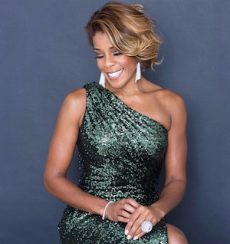
NICOLE HENRY
Set For The Season
After 15 years of special international holiday concerts from Miami to Tokyo to NYC, the award-winning vocalist brings her personalized arrangement of or holiday favorite to the Blues Alley stage.
Her passionate, soulful voice and heartfelt charisma have earned her a Soul Train Award for “Best Traditional Jazz Performance,” and four Top-10 U.S. Billboard, Jazz Week and HMV Japan jazz albums. Heralded by The New York Times, Wall Street Journal, The Japan Times, El Pais, Jazz Times, Essence and more, Ms. Henry tells real stories through peerless interpretations of repertoire from the American Songbook, classic and contemporary jazz, popular standards, blues and originals.
More Posts: adventure,album,club,festival,genius,jazz,museum,music,preserving,restaurant,travel,vocal
A NICOLE HENRY HOLIDAY
When I Think Of Home
Home often brings us back for the holidays… home is where joy, love and so much more is cultivated and learned. In When I Think of Home, award-winning vocalist Nicole Henry looks back on memories of growing up in Bucks County, PA as well as spending the holidays with her family and the songs her uncle would DJ throughout Christmas Day! From holiday standards to soul to gospel to disco, enjoy songs that celebrate the miracle of the season, love and joy.
Doors at 6:15pm
More Posts: adventure,album,club,festival,genius,jazz,museum,music,preserving,restaurant,travel,vocal