

Requisites
Blue Seven ~ Shirley Scott With Joe Newman and Oliver Nelson | By Eddie Carter
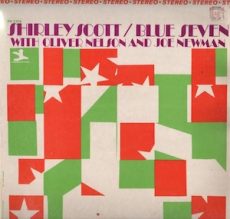
I was still in a jazz organ mindset after listening to Jimmy Smith when I decided to explore a lesser-known, underappreciated gem by Shirley Scott. Blue Seven (Prestige PR 7376/PRST 7376) was recorded in 1961, yet remained on the shelf until its 1965 release. For her fourteenth album, Shirley’s working with an outstanding ensemble: Joe Newman on trumpet, Oliver Nelson on tenor sax, George Tucker on bass, and Roy Brooks on drums. Together, they create a jazz session that’s laid-back and refined, filled with understated groove and energy. Unlike some organists who favor a bold, party-heavy approach, Shirley brings a softer, blues-influenced touch, letting her organ blend with the ensemble rather than dominating it. My copy of this album is the 1965 U.S. stereo release.
Side One opens with the title tune, Blue Seven by Sonny Rollins. George and Roy’s soulful, bluesy introduction eases into the quintet’s mellow theme. Joe opens gently and evolves into a warm, inviting interpretation. Oliver explores intriguing avenues in the following reading. Shirley showcases her expressive touch and impressive technique until the group returns for the finale. Don’t Worry ‘Bout It Baby, Here I Am by Shirley Scott starts on a bright note with the horns merging into the rhythm section’s cheerful melody. Scott opens the first solo with some good, honest soul. Nelson follows with a relaxing performance, then Newman delivers a soothing interpretation that gradually builds to a few final thoughts by Scott before the song ends.
Nancy (With The Laughing Face) by Phil Silvers and Jimmy Van Heusen gently shifts the album’s pace to a tender ballad. Shirley’s delicately gentle melody creates a soft, inviting backdrop for both horns. She then caresses each note of the song’s only solo with elegance and deep emotion, leading to the ensemble’s touching ending. Wagon Wheels by Billy Hill and Peter DeRose was the title tune of the 1934 Western film. Newman steps forward with his muted trumpet, guiding the ensemble through the easygoing melody. Nelson makes a brief, tasteful entrance before Newman continues the mellow mood. Nelson follows with smooth, unhurried lines, then Scott delivers a reading as comforting as a hearty, satisfying meal, before the quintet returns for the closing chorus and gentle fadeout.
The album closer is Give Me The Simple Life, by Rube Bloom and Harry Ruby, kicking off with the quintet’s bright, upbeat melody. Oliver steps forward first to deliver a spirited and swinging interpretation. Joe maintains the momentum in an energetic statement, and then Shirley’s robust performance leaves a lasting impression. All three soloists trade upbeat ideas, leading to the ensemble’s closing chorus. Esmond Edwards supervised the album, and Rudy Van Gelder was behind the dials. The album’s excellent sound quality transports the listener into the heart of the quintet’s lively interaction, with warm, crystal clear acoustics that create the sensation of a live performance happening right in your listening room.
If you love jazz groups that feature the Hammond organ up front and blend the lively drive of hard bop with the soulful rhythms of soul jazz, I offer for your consideration, Shirley Scott’s Blue Seven, the next time you’re out record shopping. This album is a delightful listen, filled with inventive solos and tight group interplay. You’ll experience everything from the upbeat energy of Don’t Worry ‘Bout It Baby, Here I Am and Give Me The Simple Life, to the relaxed swing of Blue Seven and Wagon Wheels, as well as the tender emotion of Nancy (With The Laughing Face). After you spin it on the turntable, it’s likely to earn a permanent spot among the favorites in your library, encouraging you to return to it again and again!
~ Give Me The Simple Life, Nancy (With The Laughing Face), Wagon Wheels – Source: Wikipedia.org
p>© 2025 by Edward Thomas Carter

More Posts: choice,classic,collectible,collector,history,instrumental,jazz,music,organ,saxophone,trumpet