

The Quarantined Jazz Voyager
As the pandemic wages on, rising numbers amongst the unvaccinated, the unmasked and the ignorant threaten the spread to the vaccinated and the children, while once again filling our hospitals. I cringe to think of the children who are going to be forced back to school without a vaccine. I’ve personally had a vaccinated friend who tested positive while working at a day camp with exposed children. Camp was shut down immediately, friend is fine but the Delta variant is highly contagious, like chicken pox. Be vigilant and stay safe.
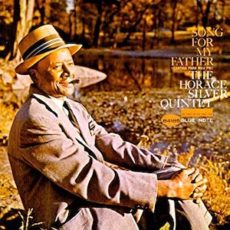
With that in mind, I am pulling out the classic Song for My Father, the hard bop album by the Horace Silver Quintet, inspired by a trip that Silver made to Brazil. The songs were recorded at Van Gelder Studios in Englewood Cliffs, New Jersey by two different ensembles over two sessions ~ 3,6 on October 31, 1963 and 1,2,4,5 on October 26, 1964. Produced by Alfred Lion, it was released on the Blue Note record label in January, 1965.
The cover artwork features a photograph of Silver’s father, John Tavares Silver, to whom the title composition is dedicated. The title track, Song for My Father, is the leader’s most recognized composition, blending his native Cape Verdean folk music with bossa nova.
Track Listing | 42:12 All compositions by Horace Silver, except #5- Song for My Father ~ 7:17
- The Natives Are Restless Tonight ~ 6:09
- Calcutta Cutie ~ 8:31
- Que Pasa ~ 7:47
- The Kicker (Joe Henderson) ~ 5:26
- Lonely Woman ~ 7:02
- Horace Silver ~ piano
- Carmell Jones ~ trumpet (2, 5 solo | 1, 4 ensemble)
- Joe Henderson ~ tenor saxophone (1,2,4,5)
- Teddy Smith ~ bass (1,2,4,5)
- Roger Humphries ~ drums (1,2,4,5)
- Blue Mitchell ~ trumpet (3, ensemble)
- Junior Cook ~ tenor saxophone (3, ensemble)
- Gene Taylor ~ bass (3,6)
- Roy Brooks ~ drums (3,6)

More Posts: adventure,album,club,genius,jazz,museum,music,piano,preserving,restaurant,travel
Requisites
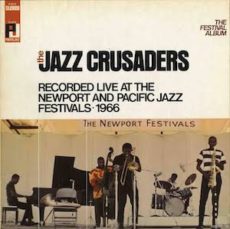
The Festival Album ~ The Jazz Crusaders | By Eddie Carter
This morning’s discussion is a 1966 live album by four friends from Houston, Texas who began performing locally in 1956. After moving to Los Angeles in 1961, they became The Jazz Crusaders, one of the best West Coast jazz groups. I became a fan of their music listening to Chuck Lansing of Cleveland’s jazz station, WCUY 92.3 FM. His opening theme was The Young Rabbits, taken from their second LP, Lookin’ Ahead (1962). The Festival Album (World Pacific Jazz ST-20115) contains two performances from The Pacific Jazz Festival and The Newport Jazz Festival. The quartet consists of Wayne Henderson on trombone, Wilton Felder on tenor sax, Joe Sample on piano, and Stix Hooper on drums. Jimmy Bond (tracks: A1, A2) and Herbie Lewis (tracks: B1, B2) on bass, complete the group. My copy used in this report is the 1967 Stereo reissue (Pacific Jazz ST-20115).
Trance Dance by Kenny Cox opens Side One with a collective soulful theme. Wayne goes first with a noteworthy contribution offering a relaxing informality. Wynton follows with an excellent solo of his own, then Joe gives a spirited closing reading ahead of the ensemble’s reprise and ending. A Summer Madness is the collaborative creation of Sample, Henderson, and Felder. Wayne leads the quintet on the mid-tempo melody, then entices the listener with a captivating first statement. Wilton builds a satisfying groove with inspired lines next. Joe unfolds the next reading with a mellow tone effortlessly, and Jimmy makes a brief remark into the finale and crowd’s ovation.
Henderson’s Young Rabbits is off to the races from the intensely hot opening notes of the melody. Felder takes the first solo at breakneck speed with electrically charged excitement. Sample steps up next for a high-octane statement. Stix provides an energetic interpretation leading to the vigorous ending. Sample’s Freedom Sound was the title tune of their debut album (1961). The trio begins this midtempo swinger with a march-like introduction developing into the quintet’s theme. Felder takes the lead with a cheerfully, light-hearted reading. Henderson swings comfortably into the next statement, and Joe wraps the album with a leisurely-paced performance powered by Herbie and Stix’s excellent groundwork.
This was The Jazz Crusaders’ twelfth LP for World Pacific Jazz and Pacific Jazz Records. *They were extremely popular and well known on the West Coast, but their first trip to The Newport Jazz Festival was significant because it introduced them to a whole new group of fans and brought them to the attention of the New York City jazz clubs. I only wish it would have been released as a two-record set with each festival highlighted on one LP. The Festival Album was produced by Richard Bock, and the sound quality of each session is quite good with an exquisite soundstage. For those fans that only know of The Crusaders’ music from the seventies and eighties, The Festival Album shows the group in excellent form live and gives a snapshot of the Hard-Bop sound they created when Jazz was their middle name! ~ *AllMusic Review by Thom Jarek – Source: AllMusic.com
~ Freedom Sound (Pacific Jazz PJ-27/ST-27), Lookin’ Ahead (Pacific Jazz PJ-43/ST-43) – Source: Discogs.com © 2021 by Edward Thomas Carter

More Posts: bass,choice,classic,collectible,collector,drums,history,instrumental,jazz,music,piano,saxophone,trombone
Daily Dose Of Jazz…
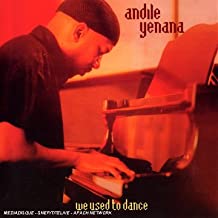
Andile Yenana was born on August 9, 1968 in King William’s Town, South Africa. His love of music was triggered at an early age and he grew up in a household where music was really loved. His father, Felix Thamsanqa Yenana, had a huge collection of music, ranging from jazz to Motown, and other forms of urban black music and this had a huge influence in his life.
Andile began music studies under Darius Brubeck at the University of Natal’s School of Jazz and Popular Music It was here that he became friends with saxophonist Zim Ngqawana and trumpeter Feya Faku.
Joining the Zim Ngqawana Quartet and worked with Zim on all five of his albums, including San Song recorded with Bjorn Ole Solburg and his Norwegian San Ensemble. He also worked on the Pan-African music project Mahube with saxophonist Steve Dyer and others. He has also worked as arranger for Sibongile Khumalo, Gloria Bosman and Suthukazi Arosi. In 2005 he was selected as the 2005 Standard Bank Young Artist for Jazz.
Pianist Andile Yenana, who made an indelible mark on the industry by switching from teaching to studying jazz, continues to perform and record.

More Posts: history,instrumental,music,piano
Requisites
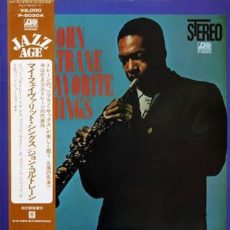
My Favorite Things ~ John Coltrane | By Eddie Carter
I was reading a few nights ago and wanted something to listen to before heading to bed, so I pulled out an old favorite that always transports me back to my childhood and still blows me away every time I hear it. This morning’s subject of discussion is My Favorite Things (Atlantic 1361/SD 1361) by John Coltrane that hit the stores in 1961. It is one of the most important albums in his discography and is a beloved record in my library. The personnel is a stellar one, Coltrane on soprano sax (tracks: A1, A2), tenor sax (tracks: B1, B2), McCoy Tyner on piano, Steve Davis on double bass, and Elvin Jones on drums. My copy used in this report is the 1971 Atlantic Jazz Age Series Japanese Stereo reissue (Atlantic P-6030A) by Warner-Pioneer Corporation.
Side One starts with a show tune from The Sound of Music (1959), My Favorite Things by Richard Rodgers and Oscar Hammerstein II. It became a huge hit for Coltrane and his signature song whenever he performed live. The trio opens with a highly contagious introduction, segueing into a beautifully constructed melody by the saxophonist. McCoy kicks off the first solo with a captivating reading that is a feast for the ears. John comes in slowly, then takes flight into the stratosphere with a joyously unrestrained statement that swings until it returns to earth for the climax. Everytime We Say Goodbye by Cole Porter is a beautiful song that Coltrane adapts as if it was written just for him with an elegantly graceful melody and opening statement. Tyner speaks with delicacy on the closing reading ahead of the foursome’s gentle ending.
Side Two takes off with a spirited version of Summertime by George and Ira Gershwin, and DuBose Heyward. John is ablaze from the start of the melody and ascends to an exhilarating height on the opening chorus. McCoy supplies the high-octane fuel for the second performance. Steve executes the next reading meticulously with great precision, and Elvin delivers a fierce attack on the finale into the quartet’s exit. But Not For Me by George and Ira Gershwin first appeared in the musical, Girl Crazy (1930). The quartet kicks off this energetic cooker with a vigorous theme. John builds the first interpretation with blazing heat to Steve’s bass and Elvin’s impressive timekeeping, then Tyner adds his imaginative ideas on the next statement into Trane’s aggressive improvisation during the closing chorus.
Nesuhi Ertegun supervised My Favorite Things, and the engineers are Phil Lehle and Tom Dowd. Together, both men provide a solid soundstage that is good enough to transport the listener to the studio with the musicians. For me, this album is an intriguing examination of the thin lines between Hard-Bop, Modal, and Free Jazz that still sounds as fresh today as when first released sixty years ago. If you are a fan of tenor sax or are just discovering the music of John Coltrane. I offer for your next vinyl hunt, My Favorite Things. An album of soothing and swinging music that I am sure will become a welcome addition to your library.
~ Everytime We Say Goodbye, Summertime, But Not For Me – Source: JazzStandards.com ~ My Favorite Things – Source: Wikipedia.org © 2021 by Edward Thomas Carter
More Posts: choice,classic,collectible,collector,history,instrumental,jazz,music,saxophone
Requisites
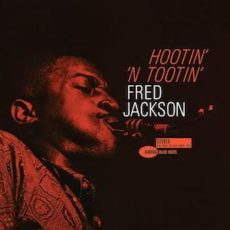
Hootin’ ‘N Tootin’ ~ Fred Jackson | By Eddie Carter
Submitted for your approval from the library this morning is an album by tenor saxophonist, Fred Jackson who began his brief career in 1951 as an R&B saxophonist with Little Richard. A decade later, he worked with blues legend, B.B. King, and has also appeared on a few other Blue Note albums before leaving the jazz scene during the mid-sixties. Fred recorded and released his only album as a leader, Hootin’ ‘N Tootin’ (Blue Note BLP 4094/BST 84094) in 1962. Here, he is working with Earl Van Dyke on organ, Willie Jones on guitar, and Wilbert Hogan on drums. The program consists of seven original tunes by the saxophonist and my copy used in this report is the 1992 Toshiba-EMI Limited Japanese Stereo reissue sharing the original catalog number.
Dippin’ In The Bag starts Side One with a delightfully perky introduction by the quartet. Fred opens with a relaxing theme moving with a spring and a bounce in its step, then Willie constructs a spirited statement that flows steadily into Fred’s final comment ahead of the foursome’s closing chorus fading from view. Southern Exposure is a slow-paced succulent meal introduced by Jones and the rhythm section with some soulful, home-cooking. Jackson brings the fried chicken, black-eyed peas, and collard greens to the melody and adds the potato salad for the first reading. Van Dyke serves the steak and burgers with a highly seasoned sauce on the next interpretation. Jackson wraps up the bluesy meal with a tasty dessert preceding the quartet taking their leave after an enjoyable dinner.
Preach Brother moves the pace to a medium-fast tempo with a spirited church-like feel propelled by Hogan’s drums. Fred delivers the opening chorus and first sermon with a groove that just will not quit. Willie gives the next talk and has fun for one verse. Earl sums up the lesson jumping for joy in the finale ahead of the ensemble’s exit. Hootin’ ‘N Tootin’ begins Side Two with a brisk introduction and melody in unison with an emphasis on lively statements from everyone. Jackson is up first with a swinging reading, then Jones offers a moment of hard cooking. Van Dyke takes an enjoyable romp on the next solo, followed by a short exchange between Hogan and Jackson. The drummer provides an exclamation point with his only solo before the ending.
Easin’ On Down takes the foot off the accelerator for a carefree collective theme with everyone right at home. Fred breaks the ice first with a carefree, easy-going swing. Willie supplies a laid-back response on the next solo. Earl steps into the spotlight last on a smooth course towards Fred’s return with a closing message into the climax. That’s Where It’s At picks up the pace again with the foursome suggesting a skillful virtuosity that is irresistible. One thing piquing my interest is the quote of the Black spiritual, Wade In The Water (1901) in the tenor saxophonist’s and organ’s solos. Jackson burns brightly on an exceptional first statement. Van Dyke also cooks with imaginative verses that crackle and Jones has a feisty performance in-between.
Earl leads off Way Back Home with a brief introduction making everyone feel comfortable as Fred states the mellow opening chorus. He continues providing the spark on the first solo, then Willie executes the next reading proficiently. Earl delivers a highly effective closing statement before the ensemble wraps it up. After Hootin’ ‘N Tootin’ was released, Fred Jackson returned to record his second album at the Van Gelder Studio with the same group plus Sam Jones. Due to poor sales of his debut, the other seven selections weren’t released until they appeared on the CD album of Hootin’ ‘N Tootin’ (1998). Jackson appeared on three other albums for Blue Note as a sideman, Face to Face (1961), Along Came John (1963), and The Way I Feel (1964)!
The music on Hootin’ ‘N Tootin’ is perfect to enjoy at the start of your day or after work, during or after dinner, or for late-night listening. The sound quality is good, but not great. The problem is the microphone placement for the organ is over-modulated when Earl Van Dyke is accompanying Fred and Willie’s solos throughout the album. The only other time I experienced this on a Rudy Van Gelder recording was on Open House (1966). Despite this issue, if you are a fan of Soul-Jazz or jazz organ with a bop flavor, I offer for your consideration, Hootin’ ‘N Tootin’ by Fred Jackson, a tenor saxophonist whose career deserved a better fate and whose music deserved greater recognition!
~ Along Came John (Blue Note BLP 4130/BST 84130), Face to Face (Blue Note BLP 4068/BST 84068), Hootin’ ‘N Tootin’ (Blue Note Connoisseur Series CDP-21819), Open House (Blue Note BLP 4269/BST 84269), The Way I Feel (Blue Note BLP 4174/BST 84174) – Source: Discogs.com © 2021 by Edward Thomas Carter
More Posts: choice,classic,collectible,collector,history,instrumental,jazz,music,saxophone