

Daily Dose Of Jazz…
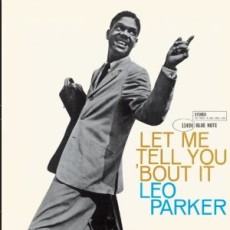
Leo Parker was born on April 18, 1925 in Washington, DC. He studied alto saxophone in high school and by 1944 had recorded with Coleman Hawkins. Switching to baritone the same year, he joined Billy Eckstine’s bebop band for the next two years.
In 1945 he became a member of the “Unholy Four” of saxophonists joining Dexter Gordon, Sonny Stitt, Gene Ammons. Possessed of a big, beefy sound tone and a fluent technique that spoke to R & B and advanced harmonies of bebop, Leo played with Dizzy Gillespie, Illinois Jacquet, Fats Navarro, J.J. Johnson, Teddy Edwards, Wardell Gray and Sir Charles Thompson, the later which he had a hit with “Mad Lad”.
During the ‘50s Leo experienced problems with drug abuse that interfered with his recording obligations. Although he made two comebacks recordings for Blue Note in 1961, the following year Leo Parker died of a heart attack at age 36 in New York City on February 11, 1962.
More Posts: saxophone
Daily Dose Of Jazz…
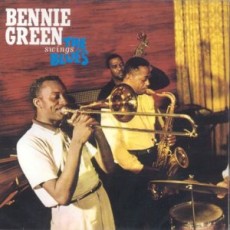
Bennie Green was born on April 16, 1923 in Chicago, Illinois. After playing locally around Chicago, at nineteen he teamed up with the Earl Hines Orchestra alongside Dizzy Gillespie and Charlie Parker from 1942-1948, gained some fame for his work with Charlie Ventura, played with Gene Ammons-Sonny Stitt, Charlie Ventura then joined Earl Hines’ small group in the early Fifties.
Following this last tenure with Hines, Bennie led his own groups for the rest of the decade. In the Sixties he played with sidemen Charlie Rouse, Paul Chambers, Louis Hayes, Sonny Clark, Jimmy Forrest and many others. He recorded as a leader for Decca, Blue Note, Bethlehem, Jazzland, Vee-Jay and Prestige during this same period.
By the end of the 60s, Green worked with Duke Ellington but then moved to Las Vegas where he spent his final years playing in hotel bands emerging only to play the Newport Jazz Festival and New York jam sessions. He was one of the few trombonists of the 1950s who played in a style not influenced by J.J. Johnson. He possessed a witty sound and full tone that was reminiscent of the swing era phrasing with an influence of R&B.
It has been speculated that Green was the first trombonist to consort with beboppers and whose ear enabled him to adopt aspects of their harmonic approach. On March 23, 1977 swing and bop trombonist Bennie Green passed away in San Diego, California at age 53.

More Posts: trombone
Daily Dose Of Jazz…
Claude Bolling was born April 10, 1930 in Cannes, France. He studied at the Nice Conservatory in Paris. A child prodigy whose primary influence was Duke Ellington, he was playing jazz piano professionally at age 14 with Lionel Hampton, Roy Eldridge and Kenny Clarke. Drawing inspiration from the New Orleans sound of Jelly Roll Morton, King Oliver, Louis Armstrong and Sidney Bechet and blending it with the music of Johnny Hodges, Barney Bigard and Cootie Williams created an interesting voice for the small band Bolling assembled in 1945. This combination put Claude in the midst of the trad jazz scene in Europe that evolved during the fifties.
He worked with Paul Gonsalves, Roy Eldridge, Lionel Hampton, Cat Anderson and Rex Stewart and by 1955 was leading his own orchestra. Stepping aside from his jazz recording and performance duties in the 60’s, Bolling ventured into creating, managing and producing a female pop group Les Parisiennes, composed for film and television (amassing over a hundred scores), expanded his interpretive range to include the early American modern jazz pianists like Erroll Garner, Willie “The Lion” Smith, Fats Waller and Horace Silver.
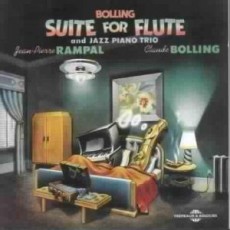
His European fans followed his decades of playing ragtime, blues, New Orleans jazz, boogie woogie and swing, however, his American devotees gained access to his suites written and arranged for classical flute, guitar, trumpet, violin and cello soloists and a mainstream jazz piano trio beginning with his collaboration with flautist Jean-Pierre Rampal, a mixture of baroque elegance and modern swing that stayed at the top of the hit parade for two years and in the Billboard “Top 40” for 530 weeks, roughly ten years.
He became friends, worked with and paid tribute in his later years to Oscar Peterson, Duke Ellington, Django Reinhardt, Stephane Grappelli and Lionel Hampton. Claude Bolling, at 89, a renowned jazz pianist, composer, arrange and occasional actor is still active.

More Posts: piano
Daily Dose Of Jazz…
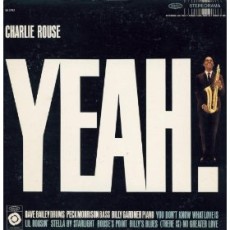
Charlie Rouse was born on April 6, 1924 in Washington, DC. He played tenor saxophone and flute, developing a distinctive nasal tone complimenting a bop-oriented style. Rouse moved very little, looked straight-ahead and wore a solemn expression when he played. He became highly influential by association with Thelonious Monk from 1959 to 1970. He would later become a founding member of Sphere, a band that paid tribute to Monk’s music.
Throughout the forties Rouse worked with Billy Eckstine, Dizzy Gillespie, Duke Ellington, made his recording debut with Tadd Dameron, and as the 50’s opened he was a part of Count Basie’s octet, and worked with Clifford Brown and Oscar Pettiford. He co-led the Jazz Modes with Julius Watkins and would go on to work with Mal Waldron. He would record, as a leader gaining some recognition by the eighties; with Carmen McRae on her classic Carmen Sings Monk project, and his last recording would be a Monk tribute concert.
The hard bop tenor and flautist died of lung cancer at the age of 64 in Seattle, Washington on November 30, 1988. Coincidently, Monk’s patroness NIca de Koenigswarter died the same day in New York City.
Daily Dose Of Jazz…
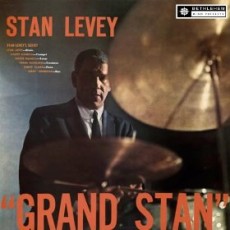
Stan Levey was born in Philadelphia, Pennsylvania on April 5, 1926, the son of a car salesman and boxing promoter. A self-taught prodigy, at age 16 Levey went to a local club where Dizzy Gillespie was headlining and convinced him to let him sit in on drums. So impressed was Dizzy that he offered the youngster an opportunity to join the group full-time. Taking some heat for recruiting a white, Jewish 16 year old to anchor his band, Dizzy simply responded – “show me a better black drummer and I’ll hire him”.
Levey joined the group, relocated to New York City with Dizzy, joined a small band led by Coleman Hawkins featuring Thelonious Monk, cut his first recording session with Art Tatum, played with Ben Webster and sat in with Woody Herman’s First Herd when regular drummer was unavailable.
In 1945 Levey joined Charlie Parker’s Quintet and when Dizzy and Charlie joined forces later that year they kept Levey and brought in bassist Al Haig and pianist Curly Russell. Considered the first and most innovative bebop lineup in history and it was during this period that classic standards like “A Night In Tunisia”, “Manteca” and Groovin’ High” were written.
During the late 40’s Levey toured with Norman Granz’s Jazz At The Philharmonic, in 1951 returned to Philly and formed his own band, worked five years with Stan Kenton, settled on the West coast joining Howard Rumsey’s Lighthouse All Stars and his drumming would influence the emerging West Coast jazz sound. He increased his session playing backing the likes of Sinatra, Fitzgerald, Holiday and Streisand. He played on over three hundred soundtracks for television and film, and turned his passion for photography into shooting a number of record covers.
Levey retired from music in 1973 to pursue his love of photography and he covered everything from fashion spreads to industrial photos to record jackets. On April 19, 2005 he passed away in Van Nuys, California at the age of 79. He never returned to music.
More Posts: drums