

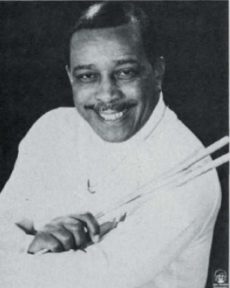
Three Wishes
J. C. Heard told the Baroness his answers to her three questions were:
- “Not to have to worry about when the next gig’s coming up.”
- “To have enough money to be sure that my family would be able to live in comfort all the rest of their days.”
- “To always be remembered for my contribution to jazz, just the way Bird is today.”
*Excerpt from Three Wishes: An Intimate Look at Jazz Greats – Complied and Photographed by Pannonica de Koenigswarter

More Posts: baroness,drums,history,instrumental,jazz,musician,pannonica,three,wishes
Requisites
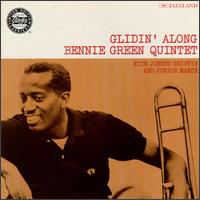
In 1961 trombonist Bennie Green along with Johnny Griffin on tenor saxophone, Junior Mance on piano, bassists Paul Chambers (tracks 2, 3, 6 & 7) and Larry Gales (tracks 1, 4 & 5) alternating duties and drummer Ben Riley went into the studio and recorded 39 minutes and 31 seconds of jazz on March 9th and 22nd that would be released as Glidin’ Along on the Jazzland label.
The sessions were produced by Orrin Keepnews with Chambers in the mix on the 9th and Gales on 22nd. The quintet came out of the studio with seven songs composed by two members of the group, Green and Griffin
- African Dream – (Bennie Green)
- Sweet Sucker – (Johnny Griffin)
- Glidin’ Along – (Babs Gonzales)
- Green’s Scene – (Gonzales, Green)
- Milkshake – (Griffin)
- Stardust” (Hoagy Carmichael, Mitchell Parish)
- Expubidence (Gonzales)

More Posts: choice,classic,collectible,collector,history,instrumental,jazz,music
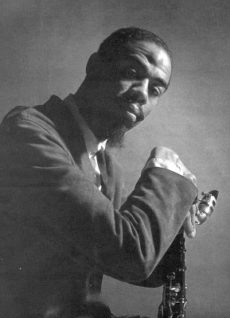
Three Wishes
Responding to her question of three wishes Eric Dolphy gave Nica only two answers:
- “To continue playing music all my life.”
- “A home and a car in New York. That’s all.”
*Excerpt from Three Wishes: An Intimate Look at Jazz Greats – Complied and Photographed by Pannonica de Koenigswarter
More Posts: baroness,clarinet,flute,history,instrumental,jazz,musician,pannonica,saxophone,three,wishes
Requisites
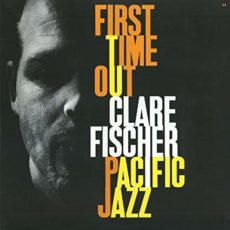
First Time Out is the debut album by American composer, arranger and keyboardist Clare Fischer. It was recorded and released in 1962 by Pacific Jazz Records. The session was produced by Richard Bock, the cover was designed and photographed by Woody Woodward.
A recital by a piano trio, led by a man previously known for his arranging and composing, Fischer’s piano is not as interesting as an arranger’s piano is apt to be. It is much more accomplished than that. On this body of work the composer has complete command of the 88, making his playing equal if not surpassing his composing. The trio was comprised of pianist Clare Fischer, bassist Gary Peacock and drummer Gene Stone.
All compositions are by Clare Fischer except for three where noted.
Side 1- Nigerian Walk (Ed Shaughnessy)
- Toddler
- Stranger (Gary Peacock)
- Afterfact
- Free Too Long
- Piece for Scotty
- Blues for Home
- I Love You (Cole Porter)
More Posts: choice,classic,collectible,collector,history,instrumental,jazz,music
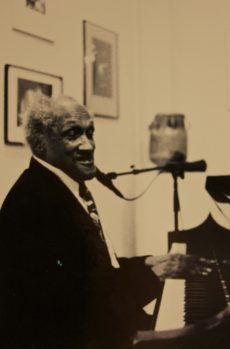
Three Wishes
Inquiring about his three wishes by the Baroness Pannonicathe responses from Chris Anderson were:
- “To be situated so that I have nothing whatever to worry about but music for a while.”
- “All the best for the rest of the world – just the way they want it.”
- “To find love. To get ahold of the music. All this is really one and the same thing.”
*Excerpt from Three Wishes: An Intimate Look at Jazz Greats – Complied and Photographed by Pannonica de Koenigswarter
More Posts: baroness,history,instrumental,jazz,musician,pannonica,piano,three,wishes