

Requisites
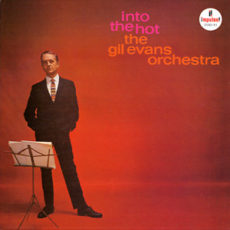
Into the Hot is a 1961 album that was recorded on September 14th, October 6, 10 & 31, 1961 released under the auspices of Gil Evans featuring a large ensemble under the direction of John Carisi and the Cecil Taylor Unit. The album was released on the Impulse! Label. The cover photograph was taken by Arnold Newman and was designed by Robert Flynn/Viceroy.
Composer/trumpeter John Carisi’s contributed three tracks are performed by an orchestra drawn from the top ranks of New York jazz and studio musicians and features solos by Phil Woods.
Pianist Cecil Taylor’s contribution consists of two tracks by Taylor and a quintet with tenor saxophonist Archie Shepp, alto saxophonist Jimmy Lyons, bassist Henry Grimes and drummer Sunny Murray. The group expanded to a septet with the addition of trumpeter Ted Curson and trombonist Roswell Rudd on a third track.
The Cecil Taylor recordings from this album were also released on Mixed in 1998 along with tracks by Roswell Rudd’s sextet.
The six tracks contributed by Carisi and Taylor produced a total time of 41:30.- “Moon Taj” (John Carisi) – 8:25
- “Pots” (Cecil Taylor) – 5:50
- “Angkor Wat” (Carisi) – 6:24
- “Bulbs” (Taylor) – 6:55
- “Barry’s Tune” (Carisi) – 3:43
- “Mixed” (Taylor) – 10:13
The personnel in John Carisi Orchestra on the sessions produced by Creed Taylor were: John Carisi: trumpet, arranger, John Glasel: trumpet, Joe Wilder: trumpet, Doc Severinsen: trumpet, Clark Terry: trumpet, Urbie Green: trombone, Bob Brookmeyer: trombone, Jim Buffington: french horn, Harvey Phillips: tuba, Phil Woods: alto saxophone, Gene Quill: alto saxophone, Eddie Costa: piano and vibes, Barry Galbraith: guitar, Art Davis: bass, Milt Hinton: bass and Osie Johnson: drums.

More Posts: choice,classic,collectible,collector,history,instrumental,jazz,music
Three Wishes
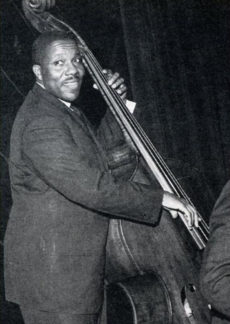
Nica asked Eugene Wright his three wishes only to get this response:
- “Can you name me a prophet or philosopher who wrote a great book overnight? It is impossible for me to answer this question.”
*Excerpt from Three Wishes: An Intimate Look at Jazz Greats – Complied and Photographed by Pannonica de Koenigswarter”

More Posts: baroness,history,instrumental,jazz,musician,pannonica,three,wishes
Requisites
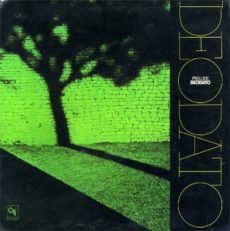
Prelude is the eighth studio album by Brazilian keyboardist Eumir Deodato de Almeida recorded on September 12-14, 1972 at the Van Gelder Studios in Englewood Cliffs, New Jersey. It wasn’t released until January 1973 on the CTI record label. The September sessions were engineered by rudy Van Gelder, produced by Creed Taylor, arranged and conducted by Eumir Deodato.
Side A- Also Sprach Zarathurstra (2001)
- Spirit of Summer
- Carly & Carole
- Baubles, Bangles and Beads
- Prelude To The Afternoon Of A Faun
- September 13
The personnel was extensive to bring this project to fruition and included: Eumir Deodato on piano and electric piano; Ron Carter-bass and electric bass; Stanley Clarke-electric bass; drummer Billy Cobham; John Tropea electric guitar; Jay Berliner-guitar; percussionist Airto Moreira; Ray Barretto on congas; flautist Hubert Laws, Phil Bodner, George Marge, Romeo Penque; trumpeters John Frosk,Marky Markowitz, Joe Shepley and Marvin Stamm; trombonists Wayne Andre, Garnett Brown, Paul Faulise and Bill Watrous; on French horn Jim Buffington and Peter Gordon; violinists Max Ellen, Paul Gershman, Emanuel Green, Harry Lookofsky, David Nadien, Gene Orloff, Eliot Rosoff; Emanuel Vardi and Al Brown on viola and cellists Harvey Shapiro, Seymore Barab and Charles McKracken.
The funk-influenced version of the “Introduction” from Richard Strauss’s Also sprach Zarathustra, titled Also Sprach Zarathustra (2001), won the 1974 Grammy Award for Best Pop Instrumental Performance and went to number two in the pop charts in the United States, number three in Canada, and number seven in the UK.
For the serious collector of jazz… #jazz #classic #collectible #music <iframe width=”420″ height=”315″ src=”https://www.youtube.com/embed/qZQ_owFdHb8″ frameborder=”0″ allow=”accelerometer; autoplay; encrypted-media; gyroscope; picture-in-picture” allowfullscreen></iframe>More Posts: choice,classic,collectible,collector,history,instrumental,jazz
Three Wishes
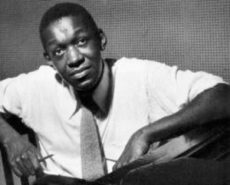
Herbie Nichols was approached by Nica to find out his three wishes and they were:
- “To attain power enough to avert major wars.”
- “To straighten out my personal self, so as to express my art fully.”
- “If I had power enough I would make it clear that “civilization” does not necessarily mean living a frustrated life. There are solutions to all these things. Life can be beautiful.”
*Excerpt from Three Wishes: An Intimate Look at Jazz Greats – Complied and Photographed by Pannonica de Koenigswarter”
More Posts: baroness,history,instrumental,jazz,musician,pannonica,three,wishes
Requisites
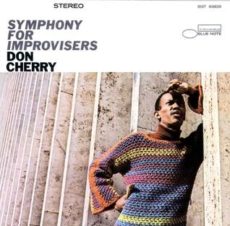
Symphony for Improvisers is an album by Don Cherry that he recorded on September 19, 1966 at the Van Gelder Studios in Englewood Cliffs, New Jersey. It is a 39 minute free jazz album produced by Alfred Lion and released on the Blue Note label. The cover photograph was taken by Francis Wolff and designed by Reid Miles.
There are only two compositions on the album and both are by Don Cherry:
- “Symphony for Improvisers: Symphony for Improvisers/Nu Creative Love/What’s Not Serious?/Infant Happiness” – 19:43
- “Manhattan Cry: Manhattan Cry/Lunatic/Sparkle Plenty/Om Nu” – 19:17
The personnel on the session are leader and cornetist Don Cherry, tenor saxophonist Gato Barbieri, Pharoah Sanders: tenor saxophone and piccolo, Karl Berger on vibes and piano, bassist Henry Grimes, bassist Jean-François Jenny-Clark and drummer Ed Blackwell.
More Posts: choice,classic,collectible,collector,history,instrumental,jazz,music