

Daily Dose Of Jazz…
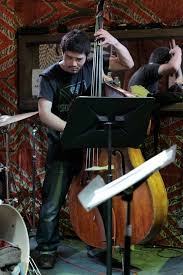
Kenji Yoshitake was born on April 5, 1985 in Sakura, Chiba, Japan on April 5, 1985 and started playing electric bass when he was 12 years old. After he graduated from high school, he entered Senzoku Gakuen College of Music in Yokohama studying acoustic bass, jazz theory, ear training, jazz arranging and ensemble.
In 2007, after receiving a scholarship he moved to Boston, Massachusetts for Berklee College of Music. During his tenure he studied with musicians such as John Lockwood, Greg Osby, Dave Santro, Victor Mendoza, Dave Samuels, Oscar Stagnaro, Marcello Pellitteri and Whit Brown.
Upon his graduation from Berklee College of Music graduation, he moved to New York. He has since been playing around the New York area. Though he hasn’t recorded as a leader at present, bassist Kenji Yoshitake has been playing with legendary singer Tony Middleton at Kitano every Sunday.
Requisites
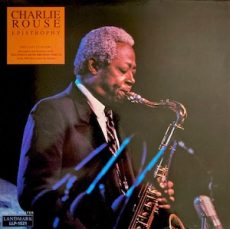
Epistrophy: The Last Concert ~ Charlie Rouse | By Eddie Carter
Charlie Rouse was one of jazz’s great musicians, but he is best known as the tenor saxophonist in The Thelonious Monk Quartet for eleven years. He enters this morning’s spotlight with Epistrophy–The Last Concert (Landmark Records LLP-1521). The album honors the pianist and was recorded live at The Thelonious Monk Birthday Tribute during the Jazz in The City Festival. His bandmates for this exceptional performance are Don Cherry (tracks: B1, B2) on trumpet, Buddy Montgomery (B1, B2) on vibes, George Cables (A2, A3, B1, B2), and Jessica Williams (A4) on piano, Jeff Chambers on bass, and Ralph Penland on drums. Orrin Keepnews is the host. My copy is the 1989 U.S. Stereo release.
Orrin opens with a few words about Charlie Rouse before introducing him; then, the two men share Some Words About Monk that are just as entertaining as the music that follows. Nutty is taken at a medium tempo, and Charlie swings easily on the theme and the first solo. George picks up the groove and gets into something interesting; then Ralph shares the finale with Rouse and Cables preceding the ending. Ruby, My Dear is named after Monk’s first love, Rubie Richardson and is one of his most beautiful tunes. Charlie and the trio tenderly begin the melody. Rouse continues delivering the opening solo with sultry notes from his tenor sax. George compliments him with elegant execution in a short statement. Charlie adds a few final gentle touches before the closing chorus and the delight of the crowd.
Blue Monk was Monk’s personal favorite of all his compositions. Jessica takes over on piano and opens with a quirky introduction to the foursome’s bluesy melody. Charlie takes the lead solo with a relaxing informality that flows naturally. Jessica takes a comfortable ride in the second reading, and Jeff has an enjoyable moment in the closer, preceding the theme’s restatement and close. ‘Round Midnight by Thelonious Monk, Cootie Williams and Bernie Hanighen is Monk’s best-known and most recorded creation. George starts with a lengthy introduction, segueing into the trio’s gorgeous melody and the pianist’s opening solo. Buddy comes in next for a touching interpretation, and then Don expresses his thoughts in a haunting, muted performance. Charlie provides the pretty exclamation point ahead of the climax.
Epistrophy by Thelonious Monk and Kenny Clarke was the pianist’s closing number at each live set. George sets everything in motion for the ensemble’s lively melody. Don opens with a few twists and turns; then Charlie wails with ease next. Buddy answers with a spirited performance. George adds to the excitement, and Don, Charlie, and Buddy swap notes with Ralph ahead of the reprise and close, which receives abundant applause from the audience. Orrin Keepnews produced the album, and Ron Davis was the recording engineer. David Luke was the digital engineer, and the mastering was by George Horn. The album’s sound quality is stunning with an excellent soundstage that takes the listener to the club to enjoy the musicians as they are performing.
Epistrophy-The Last Concert is dedicated to Charlie Rouse’s memory and is the last album he recorded before his death from lung cancer seven weeks later on November 30, 1988. He was only sixty-four but leaves behind a legacy of thirteen albums as a leader. He also co-founded and recorded six albums with the group Sphere (Thelonious’ middle name). He also made quite a few titles as a sideman, including twenty-four with Thelonious Monk during his lifetime. Palo Alto was recorded in 1968 but not released until 2020. If you’re a fan of Monk’s music or Post Bop, I offer for your consideration, Epistrophy–The Last Concert by Charlie Rouse the next time you visit your favorite record shop. It’s one of the most enjoyable albums I’ve heard and is a title I’m sure you won’t regret adding to your library!
~ Palo Alto (Impulse B0032181-01) – Source: Discogs.com ~ Blue Monk, ‘Round Midnight – Source:JazzStandards.com ~ Epistrophy, Ruby, My Dear – Source: Wikipedia.org © 2024 by Edward Thomas Carter***In Like Bud which is included in the YouTube version of the album, is only available on compact disc and not on the original wax recording.

More Posts: choice,classic,collectible,collector,history,instrumental,jazz,music,saxophone
Requisites
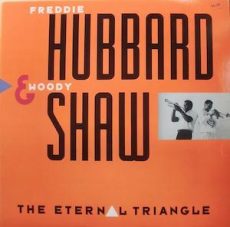
The Eternal Triangle ~ Freddie Hubbard and Woody Shaw | By Eddie Carter
Freddie Hubbard and Woody Shaw enter this morning’s spotlight with a superb 1987 sextet album, The Eternal Triangle (Blue Note B1-48017). I’m a long-time fan of both trumpet players and have been listening to their albums recently. The Eternal Triangle is their second collaboration after Double Take, recorded and released two years earlier. Freddie is heard on the left channel, and Woody is heard on the right channel. Returning from the earlier session are Kenny Garrett on alto sax, Mulgrew Miller on piano and Carl Allen on drums. Ray Drummond takes over on bass for this date. My copy is the original U.S. Stereo release.
Down Under by Freddie Hubbard starts Side One with the rhythm section’s infectious introduction to the sextet’s danceable theme. Freddie kicks off the opening line with a strong tone. Mulgrew continues the effortless swing in the following reading. Woody makes quick work of the third solo, and then Kenny has a fine spot ahead of the ensemble’s return that fades out slowly. The Eternal Triangle by Sonny Stitt comes at you fast and furious from the sextet’s rapid-fire melody. Hubbard takes us for a high-speed ride first, and then Garrett heats things up in the second statement. Shaw steps up next for an aggressive reading. Miller gives a spirited presentation, and Carl ends the solos with a brisk workout into the reprise and quick stop.
The Moontrane by Woody Shaw takes off with him leading the ensemble in a lively melody. Woody is the first soloist, and he comes out swinging. Kenny gives a brisk reading in the second spot. Freddie adds a bit more fuel to the fire in the following statement, and Mulgrew leads us to a swinging conclusion with an inspired interpretation. Side Two gets underway with the sextet keeping its foot on the gas for Calling Miss Khadija by Lee Morgan. It begins with the rhythm section’s introduction; then, the front line joins in for the melody. Shaw ignites the song’s first brightly burning flame. Miller whets our appetite further in the second statement, and then Hubbard has a few memorable moments next. Garrett comes in to give a sizzling solo, and Carl gets the last word in a vigorous finale before the ensemble returns.
I first heard Freddie Hubbard’s Nostrand and Fulton on an earlier album, Here To Stay. The song’s title comes from a Brooklyn intersection, and the sextet begins the melody vibrantly. Freddie dives into the opening solo and wails, then Kenny follows with some heated sax play. Woody tackles the next reading with passionate fire, and Mulgrew closes with a very enthusiastic statement ahead of the theme’s reprise and conclusion. Tomorrow’s Destiny by Woody Shaw is off to the races from the sextet’s opening chorus. Miller is up first with a solo of high-spirited delight. Shaw goes to work next on a swift reading, then comes Hubbard’s exhilarating statement. Garrett builds the song’s final interpretation into an impressive conclusion preceding the ensemble’s ending theme and exit.
Michael Cuscuna and Don Sickler produced The Eternal Triangle. The recording engineer was Rudy Van Gelder. It is a full digital recording that emerges from your speakers with a stunning soundstage. The musicians are transported to your listening room with excellent fidelity. The pressing is also quite good, and the record is noticeably quiet until the music starts. If you are a fan of Freddie Hubbard and Woody Shaw, I hope you will consider The Eternal Triangle on your next record shopping trip. In my opinion, it’s one of the best albums in both musician’s discographies and a terrific release worthy of a spot in any jazz lover’s library!
~ Double Take (Blue Note BT-85121), Here To Stay (Blue Note BST-84135) – Source: Discogs.com © 2024 by Edward Thomas Carter For the serious collector of jazz… #Jazz #Classic #Collectible #Music #Notorious
More Posts: choice,classic,collectible,collector,history,instrumental,jazz,music,trumpet
Requisites
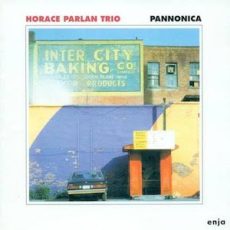
Pannonica ~ Horace Parlan Trio | By Eddie Carter
This morning’s album is by Horace Parlan, a pianist whose roots were deep in hard bop. I fell in love with his playing after hearing Movin’ & Groovin’ and The Complete Horace Parlan Blue Note Sessions. Pannonica (Enja Records 4076) is a 1984 release capturing The Horace Parlan Trio in performance at the Munich jazz club, The Domicile, on February 11,1981. Horace was stricken with polio as a child, resulting in the partial crippling of his right hand. It contributed to his developing a left-hand chord-voicing style and an ability to play rhythmic phrases with the right. He’s joined on stage by Reggie Johnson on bass and Alvin Queen on drums. My copy is the original German Stereo album.
No Greater Love, an abbreviation of the title There Is No Greater Love by Isham Jones and Marty Symes, begins the set with the trio’s energetic melody. Horace launches into a highly satisfying opening solo. Reggie comes in behind him with a vigorous statement. Alvin engages in an aggressive exchange with the pianist before the reprise and climax. The title tune, Pannonica, by Thelonious Monk, is one of his most beautiful compositions and opens with a solo piano introduction, segueing into the threesome’s delicately soft theme. Parlan treats the standard tenderly in the only solo, complemented by Johnson and Queen’s lush foundation into a gentle ending.
The first side closes with an enthusiastic rendition of C Jam Blues by Duke Ellington and Barney Bigard. The trio goes right to work with a lively melody. Horace leads the way with a vigorous solo. Reggie says his piece in the following reading. Alvin adds a bit of excitement in a spirited interpretation leading to the ensemble’s splendid finale. Randy Weston’s Hi-Fly starts Side Two with the trio’s inspired theme. Parlan is up first and stretches out in a beautifully constructed opening statement. Johnson takes the next turn, displaying an exemplary flow of ideas that builds to an effective climax.
The album closes with an old thirties song by George and Ira Gershwin, Who Cares? The trio opens with a medium-tempo melody as fresh as the fragrance after a summer rain shower. Horace takes the lead and brings out the sun in the first solo. Reggie responds with a compelling reading that flows nicely into the theme’s reprise and finish. Horst Weber and Matthias Winckelman produced Pannonica, and Carlos Albrecht recorded the album. This digital recording has an impressive soundstage that makes the instruments come alive through your speakers and places the listener in The Domicile audience as the musicians are performing.
Horace Parlan was one of jazz’s elder statesmen who constantly explored the individual possibilities of each tune he played with a sureness in his approach, which fueled his ability to improve with each new album continually. He, Reggie Johnson, and Alvin Queen make a fine team and demonstrate what a piano, bass, and drums could accomplish when firing on all cylinders. If you’re a fan of trio jazz, I invite you to consider Pannonica by The Horace Parlan Trio on your next record hunt. It’s one of the pianist’s best records and a very entertaining set that shouldn’t be missed for a spot in your library!
More Posts: choice,classic,collectible,collector,history,instrumental,jazz,music,piano
Requisites
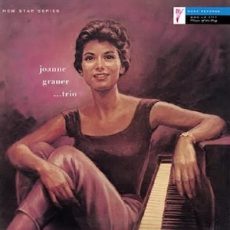
Joanne Grauer Trio ~ Joanne Grauer | By Eddie Carter
I love piano trios, and I was listening to a little-known title after dinner a few nights ago, which became the inspiration for this morning’s column. Joanne Grauer Trio (Mode Records MOD-LP-113) marks the debut of a young pianist named Joanne Grauer, whose musical education began at age five. Her brother and dad were professional musicians, and she started classical training at age twelve. Her musical education took a turn towards jazz while studying with Sam Saxe, a West Coast piano instructor who broadened her knowledge of the challenging dynamics of jazz piano. Listening to Hampton Hawes, Horace Silver, and Johnny Williams further moved her toward a career as a jazz pianist.
On her first date, she is joined by Buddy Clark on bass and Mel Lewis on drums. My copy is the 1988 US Mono reissue on VSOP Records (VSOP #58). The opener is an original by Joanne titled Mood for Mode. The trio introduces the song at a relaxing tempo that continues through the melody and is sure to get the listener’s toes tapping. Joanne is up first and swings so easily, while Buddy and Mel’s exemplary support follows her like a shadow. Buddy has the next solo and makes his point by generating a good feeling. Joanne returns for a few concluding thoughts before the theme’s return dissolves slowly into nothingness.
The pace picks up for Richard Rodgers and Lorenz Hart’s, Have You Met Miss Jones? The trio begins with a lively introduction and melody, leading to Joanne’s vivaciously spirited opening statement. Buddy and Mel engage in a short, joyous conversation until the threesome’s closing chorus takes the song out. Invitation by Bronislaw Kaper and Paul Francis Webster is given a regal treatment by Joanne, who performs the song alone. She brings out the jazz standard’s sensitivity and delicacy in a beautifully romantic rendition that is sure to linger in the listener’s mind and heart long after it is over.
The first side finale, Happy Is the Sheepherder by Marv Belew, is full of good spirits from the start of the ensemble’s cheerfully sunny melody. Joanne takes the reins and gives an optimistic, upbeat interpretation ahead of the restatement of the theme, during which Buddy makes a brief comment before the ending. Side Two takes off at a fast clip with I’ll Remember April by Gene de Paul, Patricia Johnston, and Don Raye. The trio swings with authority in the brisk opening chorus. Joanne sets a jubilant mood in the opening solo, then shares a spirited exchange of ideas with Mel ahead of the trio’s reprise and fadeout.
Dancing Nitely by Bill Holman takes the trio’s foot off the accelerator with a soothing introduction that gets into a simpler groove on the melody. Joanne leads off with a carefree, light-hearted performance, followed by Buddy, who eases into the second statement. The leader has a few more things to say preceding the trio finishing it out. I’m Glad There Is You by Jimmy Dorsey, and Paul Madeira is a beautiful love song from the forties. Joanne brings the song to life with a gorgeous solo introduction segueing into the trio’s tender melody. As the song’s only soloist, she delivers an intimately delicate interpretation, with Buddy and Mel complimenting her every note into the peaceful ending.
The Song Is You by Jerome Kern and Oscar Hammerstein II ends the album on an upbeat note with the trio in perfect harmony on the energetic melody. Joanne takes flight in the song’s only solo with a vigorous performance that’s thrilling from start to finish into the reprise and climax. Red Clyde supervised The Joanne Grauer Trio, and Dayton Howe was the recording engineer. The album has a superb soundstage that transports the musicians to your listening room with stunning fidelity. Joanne Grauer’s next release wouldn’t hit stores until seventeen years later, and she has only a few titles in her discography.
But if what I heard on this album is an indication, I’ll certainly be on the lookout for those other releases. If you’re a fan of piano jazz as I am and are in the mood for an album to help you unwind after a long day or week. I invite you to check out The Joanne Grauer Trio on your next record shopping trip. It’s a delightful album that would make a terrific complement to your day or evening’s listening and become a welcome addition to your jazz library!
~ Joanne Grauer – Source: Album liner notes by Joe Quinn ~ I’m Glad There Is You, Have You Met Miss Jones, The Song Is You – Source: JazzStandards.com © 2023 by Edward Thomas Carter
More Posts: choice,classic,collectible,collector,history,instrumental,jazz,music,vocal