

Daily Dose Of Jazz…
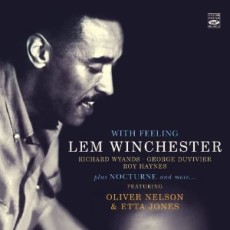
George Duvivier was born on Aug 17, 1920 in New York City. He took up the cello and also the violin while in high school before settling on the bass. He also learned composition and scoring before going out on the road with Lucky Millinder and then with the Cab Calloway bands of the early 40s after a stint in the army. An excellent composer, George scored many tunes for those two big bands.
George was a freelance bassist for most of his life, never belonging to any one particular group for any extended period of time, but has played with some of jazz’s greatest, such as Bud Powell, Eddie “Lockjaw” Davis, and Shirley Scott.
A prolific sideman, Duvivier recorded more than 100 albums with the likes of Kenny Burrell, Gene Ammons, Mildred Anderson, Art Farmer, Jimmy Forrest, San Getz, Etta Jones, Oliver Nelson, Lalo Schifrin and Johnny Lytle among numerous others. In 1956, Duvivier played in the movie orchestra in the film, “The Benny Goodman Story”.
During the 1970s he was a member of Soprano Summit and one of his last performances was on Late Night with David Letterman in 1983, accompanying singer/songwriter Tom Waits.
Double-bassist George Duvivier died of cancer in his Manhattan home on Jul 11, 1985.

Dose A Day – Blues Away
More Posts: bass
Daily Dose Of Jazz…
Elmer Crumbley was born on August 1, 1908 in Kingfisher, Oklahoma. The trombonist joined the Dandie Dixie Minstrels in 1926 in between stints with bandleader Lloyd Hunter and his Serenaders. By 1930 Elmer made it east to Kansas City and the George E. Lee band.
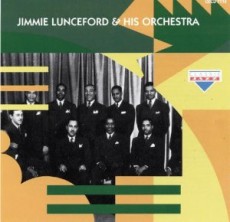
During the 30s he continued to work with Lloyd Hunter as well as with western swing pioneer Tommy Douglas in Nebraska, then with Bill Owens, Jabbo Smith and in Chicago with Erskine Tate. He led an ensemble in Omaha in 1934 then joined up with Jimmie Lunceford, enjoying a thirteen-year stint playing with band mates Eddie Wilcox, Lucky Millinder and Erskine Hawkins.
By the late ’50s Crumbley was touring Europe with Sammy Price and became part of the combo scene at the Apollo in Harlem. The Sixties saw him playing with Cab Calloway and Earl Hines, keeping him in slide oil.
Little is known about him after this period and trombonist Elmer Crumbley passed away in 1993 at the age of 85.
Jazz Is Global – Share
More Posts: trombone
Daily Dose Of Jazz…
Gaspare “Gap” Mangione was born July 31, 1938 in Rochester, New York and learned to play the piano as a child. Along with his Grammy-winning flugelhornist brother Chuck, they started performing together as the Jazz Brothers in 1958 and eventually recorded three albums for Riverside Records.
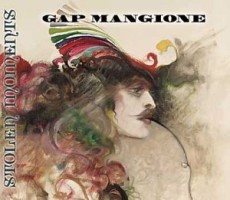
In 1968, Gap Mangione released his first solo album, “Diana in the Autumn Wind”, featured new compositions and arrangements, and was conducted by Chuck Mangione. The 1970s brought more solo albums along with tours with his own group and many as featured pianist in his brother’s orchestral performances.
By the Eighties, Gap began spending less time on the road and more time playing in and around Rochester. In 1990, he formed the Gap Mangione New Big Band, which remains the premier dance and concert big band in the Rochester area. The New Big Band has released four recordings since 1998.
Many major rappers and producers, including Jaylib, Talib Kweli, Guerilla Black, Ghostface Killah, Slum Village and People Under The Stars have sampled Gap’s “Diana in the Autumn Wind” for their recent works.
Gap Mangione has received the Artist of the Year Award from the Arts & Cultural Council of Greater Rochester, continues to make regular appearances at Rochester locations, among them the Woodcliff Hotel and Spa, Pier 45 at the Port, as well as the Rochester International Jazz Festival. The composer, arranger, bandleader and pianist continues to play with his brother.
Put A Dose In Your Pocket
More Posts: piano
Daily Dose Of Jazz…
Hilton Jefferson was born on July 30, 1903 in Danbury, Connecticut. He began his professional career in 1929 with Claude Hopkins and throughout the 1930s was busy working for the big bands of Chick Webb, Fletcher Henderson and McKinney’s Cotton Pickers.
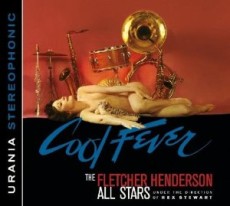
From 1940-49 Hilton led the saxophone section of Cab Calloway’s band then went on to perform with Duke Ellington for a year in 1952 but ultimately became a bank guard to support himself with a steady income. He continued to perform through the Fifties, especially with Rex Stewart, ‘Buster Bailey, Red Richards, Gene Ramey, Vic Dickerson, Herman Autrey and some former members of the Fletcher Henderson band.
Hilton Jefferson, alto saxophonist with a soft, delicate sound and exquisite sensibility passed away on November 14, 1968.
Give The Gift Of Knowledge
More Posts: saxophone
Daily Dose Of Jazz…
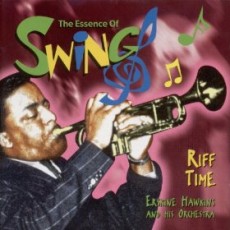
Erskine Ramsay Hawkins was born on July 26, 1914 in Birmingham, Alabama and was named after a local industrialist who was rewarding parents with savings accounts for doing so. He played trumpet in the Industrial High School band directed by Fess Whatley, a teacher who trained numerous African-American musicians that went on to populate the orchestras of Duke Ellington, Lucky Millinder, Louis Armstrong and Skitch Henderson.
Dubbed “The 20th Century Gabriel”, Hawkins composed the jazz standard “Tuxedo Junction” in 1939 with saxophonist and arranger Bill Johnson. It became a hit during World War II rising on the national charts to #7 performed by his orchestra and #1 played by Glenn Miller’s. While a bandleader Erskine featured several female vocalist like Ida James, Delores Brown and Della Reese.
From 1967 to 1989 Hawkins played the lobby bar and show nightclub at The Concord Resort Hotel in Kiamesha Lake, New York. He was inducted in 1978 into the Alabama Jazz Hall of Fame. Erskine Hawkins, trumpeter and bandleader, died in Wilmington, New Jersey on November 11, 1993, at the age of 79.
Give A Gift Of Jazz – Share