

Requisites
JAMMIN’ IN HI-FI WITH GENE AMMONS | By Eddie Carter
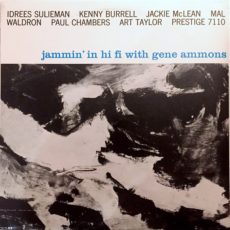
Submitted for your consideration this morning is a 1957 session led by tenor saxophonist Gene Ammons that’s one of the fine jam sessions Prestige released in the late Fifties. Jammin’ In Hi-Fi With Gene Ammons (Prestige 7110) brings the saxman together with a world-class sextet of musicians who would become leaders themselves and create some of the best music known as Hard-Bop. Idrees Sulieman on trumpet; Jackie McLean on alto saxophone; Kenny Burrell on guitar; Mal Waldron on piano; Paul Chambers on bass and Art Taylor on drums. My copy used in this report is the 1984 Mono reissue (Prestige Original Jazz Classics OJC-129 – P-7110).
The album opener is the first of two originals by pianist Mal Waldron, The Twister comes at you at medium speed, swinging from the opening notes of the septet’s melody. Gene leads off the solos cruising at a comfortable speed with plenty of imagination in each verse of the opening statement utilizing a few excerpts from Kerry Dance, Moose The Mooche, and 52nd Street Theme. Idrees follows with a bluesy reading stamped with a down-home, soulful flavor. Jackie takes the next solo enthusiastically building a series of foot-tapping excitement in each verse, then Kenny takes over making his presence felt on the next interpretation with a fine solo performance. Mal follows with a blues-rooted groove that flows smoothly. Paul solos impressively on a brief reading leading to an exchange of riffs between all three horns and Kenny into the ensemble’s closing coda.
Four by Miles Davis was written in 1954, making its first appearance on the ten-inch album, Miles Davis Quartet released that year. The septet’s version of the jazz standard takes an unusual journey after the collective theme treatment. Sulieman, Ammons, McLean, and Burrell take two choruses each in that order, then one chorus apiece twice, followed by a half-chorus each. Walton skillfully constructs three verses for a concise interpretation that are paced leisurely but stated explicitly. Taylor exchanges with the front line before the septet returns for the ending theme.
The 1936 popular song Pennies From Heaven by Arthur Johnston and Johnny Burke opens the second side. It serves as the title song for the film that year and starts with a slow-tempo duet between Gene and Kenny that expands into a pleasant midtempo melody. Ammons displays a powerfully rich sound on the opening statement, followed by Burrell who swings easily into a relaxing reading. McLean also weaves a sweet-toned delivery on the next solo. Sulieman delivers a soulful performance next on the muted horn, and Waldron explores some intriguing ideas on the closer preceding the tranquil climax.
The album closer is the second Waldron original, Cattin’, a funky blues that opens with a solo introduction by Paul that evolves into the septet’s opening chorus. Gene sets the tone first with a neatly paced stroll through the lead solo, then Kenny turns in a splendid performance. Idrees delivers a statement of informal casualness on the next solo, then Jackie gets your fingers popping and toes tapping with a soulful groove. Mal responds with a light, breezy interpretation of tasteful simplicity ahead of the septet’s return for the finale.
Fantasy has done an excellent job with the remastering of Mr. Van Gelder’s original recording. The album has an excellent soundstage with no harshness during the highs, midrange, and low end with the septet coming through your speakers as if they’re in your listening room. Jammin’ In Hi-Fi With Gene Ammons is a very pleasant, fun, and enjoyable LP that I’m sure will make a fine addition to any fan’s library who’s a fan of his, Hard-Bop or the jam session. In 1960, and 1964 for the second and third reissues, the album’s title was changed to The Twister!
~Kerry Dance, Moose The Mooche, 52nd Street Theme – Source: album liner notes by Ira Gitler ~Four, Miles Davis Quartet (Prestige PRLP-161); The Twister (Prestige PR-7176) – Source: Discogs.com ~Pennies From Heaven – Source: Wikipedia.org SynopsisJammin’ In Hi~Fi with Gene Ammons is an album by saxophonist Gene Ammons recorded on April 12, 1957 and released the same year on the Prestige label.
Track Listing | 50:12- The Twister (Mal Waldron) – 12:15
- Four (Miles Davis) – 13:02
- Pennies from Heaven (Johnny Burke, Arthur Johnston) – 13:02
- Cattin’ (Waldron) – 11:58
- Gene Ammons – tenor saxophone
- Idrees Sulieman – trumpet
- Jackie McLean – alto saxophone
- Mal Waldron – piano
- Kenny Burrell – guitar
- Paul Chambers – bass
- Art Taylor – drums

More Posts: choice,classic,collectible,collector,history,instrumental,jazz,music
Requisites
Cliff Craft~Cliff Jordan | By Eddie Carter
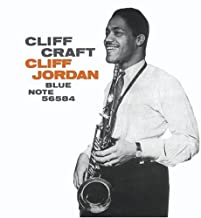
Submitted for your approval to begin this morning’s discussion is a pleasant album that was loaned to me to audition by tenor saxophonist, Cliff Jordan. Cliff Craft (BLP 1582) is the third and final album the Chicagoan would record for Blue Note following his debut with tenor man John Gilmore, Blowin’ In From Chicago, and his self-titled album, Cliff Jordan, all three were released in 1957. My copy used in this report is the 2011 Music Matters 45-rpm Stereo audiophile reissue (MMBST-81582)! The first true Stereo reissue of Cliff Craft was discovered in Blue Note’s vaults, thanks to a master tape Rudy Van Gelder made that was released by Classic Records in 1999.
Backing him on this LP is one of my favorite musicians, Art Farmer on trumpet; alongside Sonny Clark on piano; George Tucker on bass and Louis Hayes on drums. Record One begins with Laconia, Jordan’s middle name starts with a Latin flavor on the melody that’s sheer magic. Art solos first, delivering an expressive opening solo reminiscent of Miles Davis’ sound on Round About Midnight, also released in 1957. Sonny takes the next interpretation with youthful energy as smooth as velvet; Cliff closes with a mellow tone on the final performance that’s vividly imaginative and right on the beat.
Soul-Lo Blues, the second Jordan tune occupies Side Two and starts with an impressive bass line by Tucker who’s joined briefly by Clark, then the ensemble on the main theme. Jordan shows his prowess on the first statement with an illuminating exploration that strives forward at a smooth flow. Farmer mesmerizes with impeccable chops on the second easy-going interpretation. Clark continues this bluesy adventure, swinging comfortably on the third reading, inspiring Tucker who makes a significant contribution on the closer with a relaxed delivery before a splendid closing chorus by the ensemble.
Record Two opens with the title tune, Cliff Craft by the saxophonist comes out the gate quickly with a rapid introduction and melody. Cliff takes off first with a strong performance that fuels the rhythm section with a rocking beat. Art follows with a dazzling presentation of passionate exhilaration on the next solo. Sonny responds to the previous statements with radiant verses that follow one another with confident assurance. Louis shines last in an engaging conversation with Farmer and Jordan ahead of the finale.
Up next is Confirmation by Charlie Parker that opens with Sonny playing a few bars before the quintet’s vivacious delivery of the melody. Jordan is up first with a lead solo that shows the joy in his playing and that his music comes from the heart. Farmer puts some fresh clothes on this bebop anthem with a soulful tone, then Clark instills the third interpretation with energetic exuberance supported by the solid supplement of Tucker and Hayes. The drummer gives the final statement a spirited workout illustrating his impeccable sense of time while trading choruses with Farmer and Jordan before the out-chorus and concise punctuation by Tucker at the song’s climax.
The final side starts with Sophisticated Lady by Duke Ellington, Irving Mills, and Mitchell Parish. The 1933 standard is a quartet performance handled with tender finesse by Jordan, Clark, Tucker, and Hayes. Cliff opens with a smoky, sultry reading, then Sonny follows with a regal interpretation that’s delicately gentle. George culminates the statements with a tender touch of elegance, and Louis binds the song together with compassionate timekeeping into a pretty coda.
Anthropology by Charlie Parker and Dizzy Gillespie was composed in 1945 and originally titled, Thriving From a Riff. The ensemble is firing on all cylinders for this brisk swinger; both horns fire the first shot beginning the introduction and opening chorus. Farmer takes charge first with a prodigious performance that sets the tone. Jordan is up next with a sprightly reading, then comes Clark who’s bright, lively, and cheerful on the third solo. The front line returns to exchange a few choruses with Hayes who makes the perfect comment into the out-chorus. The quality and care that go into the MMJ reissues are well-known among jazz lovers and audiophiles.
There’s the excellent remastering of Rudy Van Gelder’s analog tapes utilizing 180-gram Virgin Vinyl. Also, the high-quality of the gatefold covers and superb photography inside the gatefold could hang on the wall in your listening room. The music on Cliff Craft is exquisitely recorded with a sensational soundstage that one could listen to repeatedly. If you’re a fan of tenor sax, Hard-Bop, or in the mood for an album perfect for late-night listening, I submit for your consideration Cliff Craft by Cliff Jordan. It’s a solid record that’s capable of smoothing the rough edges from your day and enjoy with your favorite drink!
~ Blowin’ In From Chicago (Blue Note BLP 1547); Cliff Craft (BST 81582); Cliff Jordan (BLP 1565); Round About Midnight (Columbia CL 949) – Source: Discogs.com ~Confirmation, Sophisticated Lady, Anthropology – Source: JazzStandards.com ~© 2020 by Edward Thomas Carter Synopsis
Cliff Craft is an album by American jazz saxophonist Clifford Jordan featuring performances recorded at Rudy Van Gelder Studio in Hackensack, New Jersey on November 10, 1957 and released on the Blue Note label. Track Listing | 43:18
- Laconia ~ 7:06
- Soul-Lo Blues ~ 8:29
- Cliff Craft ~ 6:30
- Confirmation (Charlie Parker) ~ 7:34
- Sophisticated Lady (Duke Ellington, Irving Mills, Mitchell Parish) ~ 6:46
- Anthropology (Dizzy Gillespie, Parker) ~ 7:03
- Clifford Jordan – tenor saxophone
- Art Farmer – trumpet (tracks 1-4 & 6)
- Sonny Clark – piano
- George Tucker – bass
- Louis Hayes – drums
More Posts: choice,classic,collectible,collector,history,instrumental,jazz,music,saxophone
The Quarantined Jazz Voyager
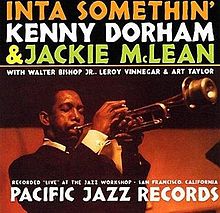
The Quarantined Jazz Voyager is pulling from the stacks the 1962 album by Kenny Dorham titled Inta Somethin’ to spin this week. Recorded at the Jazz Workshop in San Francisco, California on November 13, 1961 and released on Pacific Jazz Records. Una Mas and San Francisco Beat were composed by Dorham. Track List | 38:31
- Una Mas ~ 7:13
- It Could Happen to You (Johnny Burke, Jimmy Van Heusen) ~ 6:00
- Let’s Face the Music and Dance (Irving Berlin) ~ 6:06
- No Two People (Frank Loesser) ~ 6:59
- Lover Man (Jimmy Davis, Ram Ramirez, James Sherman) ~ 5:01
- San Francisco Beat ~ 7:12
The players on this date are Kenny Dorham – trumpet (except tracks 3 and 5), Jackie McLean – alto saxophone (except track 2), Walter Bishop Jr. – piano, Leroy Vinnegar – bass and Art Taylor – drums.
So stay diligent my fellow voyagers in being healthy, continue your social distancing, and take your time getting back to the new normal. Listen to great music and share that music to give another soul a little insight into the choices of a voyager during this sabbatical from what we once knew. The jet setting investigations of jazz around the globe will continue again.
More Posts: choice,classic,collectible,collector,history,instrumental,jazz,music
Requisites
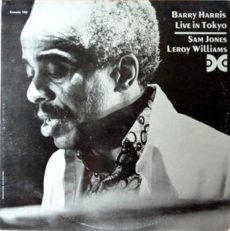
Live In Tokyo~Barry Harris | By Eddie CarterIn April 1976, Xanadu Records recorded three live albums in Japan featuring an all-star quintet including alto saxophonist, Charles McPherson, and guitarist Jimmy Raney. The tapings resulted in Charles McPherson Live In Tokyo, Jimmy Raney Live In Tokyo, and this morning’s choice from the library that was the first performance by pianist Barry Harris. Live In Tokyo (Xanadu 130) documents concerts at two locations, Yubin Chokin Hall and Nakano Sun Plaza with the ensemble’s rhythm section featuring Sam Jones on bass and Leroy Williams on drums. It was Harris’s second record for the label and my copy used in this report is the 1976 US Stereo release.
The set opener, A Soft Spot is a lively tune from Barry’s pen that leaves the ground and starts flying from the melody into a swinging solo of fire by the leader. Leroy follows with a stunning interpretation that’s right on the mark leading to a spirited finale. The trio slows the pace for Round Midnight, the timeless jazz standard by Bernie Hanighen, Thelonious Monk, and Cootie Williams. As the song’s only soloist, Harris gives a stylishly, sensuous reading that’s hauntingly moving, and stands up to other versions of Monk’s most recorded tune.
Tea For Two by Vincent Youmans and Irving Caesar was written in 1924 and introduced in the Broadway musical, No, No, Nanette, that year. Barry gives a nearly minute solo introduction before taking off on a full-speed run through the opening melody and first reading. Leroy engages in a vigorous exchange with Harris preceding the hard-hitting coda.
Bud Powell’s Dance of The Infidels is a midtempo swinger that closes the first side on an upbeat note and allows each member, solo space. Powell composed the song in 1949, and first recorded it for Blue Note Records. The trio takes a brisk approach to the tune with a splendid theme treatment. Harris kicks off the solos with a feisty opening statement possessing a carefree zest. Sam is up next with a short reading that hits its target like a sharpshooter. Barry shares the final solo with Leroy who executes a passionate exchange before the closing chorus.
I’ll Remember April is a beautiful song by Gene De Paul, Patricia Johnston, and Don Raye that was composed in 1941, making its debut in the 1942 comedy, Ride ‘Em Cowboy. The threesome brings a little sunshine to this treasured tune with an easy beat on the main theme. Harris picks up the pace with a cheerful, effervescent first statement, then Jones swings softly on a passionately conceived presentation. Barry and Williams make an indelible impression with a blissful resolution on the closing reading that arrives at a very gratifying conclusion.
Barry takes a moment to make a sincere and heartfelt Dedication In Japanese to the crowd. He follows with a beautiful solo composition also devoted to the audience titled Fukai Aijoh which means Deep Love. Harris expresses personal feelings in an elegant interpretation of tenderness and subtle finesse into a delicately gentle ending. The final selection is the 1951 jazz standard, Un Poco Loco by Bud Powell beginning with a brisk theme treatment in unison leading to Barry’s aggressive opening solo of astonishing ferocity. Leroy has the last word with a concise reading of compelling power before the pianist’s vivacious out-chorus preceding a thunderous ovation by the concert crowd.
This album and its two companions were produced by label founder Don Schlitten and recorded by Japanese sound engineer, Shinji Ohtsuka. Live In Tokyo is a sonic treat with an exceptional soundstage of the piano, bass, and drums, and though the LP length is just short of forty-three minutes, the listener will feel they’ve received their money’s worth on the strength of the performances. Now that I’ve got this album, I’ll be seeking the other two to add to my library, and if you’re a fan of piano jazz or trio jazz, I invite you to audition Live In Tokyo by pianist Barry Harris. It’s a fun listen, and a title I’m sure you’ll enjoy in your library!
~ Dance of The Infidels (Blue Note 362-1); Charles McPherson Live In Tokyo (Xanadu 131); Jimmy Raney Live In Tokyo (Xanadu 132) – Source: Discogs.com ~ I’ll Remember April, Round Midnight, Tea For Two – Source: JazzStandards.com ~ Dance of The Infidels – Source: The Complete Bud Powell Blue Note Recordings (1949-1958) Mosaic Records MR5-116 ~Un Poco Loco – Source: Wikipedia.org © 2020 by Edward Thomas CarterSynopsis
Live in Tokyo is a live album recorded on April 12 & 14, 1976 at Sun Plaza Hall in Tokyo, Japan by pianist Barry Harris and released on the Xanadu record label. The session was produced by Don Schlitten. Harris contributed two songs to this swinging, straight-ahead album, A Soft Spot and Fukai Aijoh in addition to his Dedication In Japanese.
Track Listing | 41:09- A Soft Spot – 5:46
- Round Midnight (Thelonious Monk) – 5:58
- Tea for Two (Vincent Youmans, Irving Caesar) – 4:45
- Dance of the Infidels (Bud Powell) – 5:43
- I’ll Remember April (Gene de Paul, Patricia Johnston, Don Raye) – 8:39
- Dedication in Japanese – 1:15
- Fukai Aijoh – 4:09
- Un Poco Loco (Powell) – 6:14
- Barry Harris – piano
- Sam Jones – bass
- Leroy Williams – drums
More Posts: choice,classic,collectible,collector,history,instrumental,jazz,music,piano

Requisites
New Thing At Newport: John Coltrane~Archie Shepp | By Eddie Carter
And now for something completely different! In 1960, Creed Taylor, a producer for ABC-Paramount Records launched Impulse Records, the company’s label exclusively devoted to jazz. This morning’s subject of discussion from the library is a 1965 live date at The Newport Jazz Festival taken from two performances by The John Coltrane Quartet and The Archie Shepp Quartet. The album is New Thing at Newport (Impulse! A-94), it was released in 1966 and my copy used for this report is the 1968 Stereo reissue (AS-94). Coltrane makes his only appearance on the record backed by McCoy Tyner on piano; Jimmy Garrison on double bass; and Elvin Jones on drums. Archie Shepp composed and performs the remaining four songs supported by Bobby Hutcherson on vibraphone; Barre Phillips on double bass; and Joe Chambers on drums.
Side One starts with an Introduction of Coltrane’s group by Father Norman O’Connor, a Roman Catholic priest who was a huge jazz fan, a longtime radio host at WGBH in Boston, a weekly columnist for The Boston Globe and host of a syndicated jazz program. The Jazz Priest, as he was known, also served as master of ceremonies of various concerts and festivals and contributed to other magazines including Down Beat and Metronome.
The quartet launches into an enthusiastic version of the saxophonist’s One Down, One Up. Trane kicks off the song with a zestful introduction and opening chorus. McCoy starts the soloing offering a feast of dazzling virtuosity, then John turns up the temperature with a thrilling reading making the most difficult passages between Bop and Free Jazz improvisation seem deceptively easy.
The Archie Shepp Quartet takes over for the first side finale, Rufus Swung His Face at Last to The Wind, Then His Neck Snapped. This song portrays a lynching and made its initial appearance on his 1964 debut, Four For Trane. The ensemble begins with a duet dialogue between the saxophonist and Hutcherson on the introduction. Phillips and Chambers come in next for the collective theme. Archie is up first with a lead solo ablaze with a raucous beat. Bobby provides vigorous exhilaration on the second statement, then Paul takes a free-wheeling rollercoaster ride on the closer preceding the reprise and abrupt coda.
Side Two opens with Hutcherson leading the rhythm section on a dreamy introduction to Le Matin Des Noire. Shepp builds the emotion gradually into the opening statement with a laid-back attitude. Phillips and Hutcherson give two concise readings before the song’s fadeout and crowd’s ovation. Scag is delivered with unflinching realism about the dangers of heroin and where the addiction ultimately leads, the gutter, prison, or the grave. The two-beat delivery by Bobby, Barre, and Joe is reminiscent of the tick-tock mechanism inside a clock. Archie recites a grim message to the audience and listener rather than playing the notes as the clock continues to beat ever louder, culminating into a crash of the cymbals that marks the end. Shepp’s Call Me By My Rightful Name closes the album with a medium beat on the introduction and melody that’s maintained as the song unfolds. The saxophonist makes a fine impression on a bittersweet, sensitive interpretation that receives a nice ovation from the Newport crowd at the climax.
New Thing at Newport documents one of the final live performances of The John Coltrane Quartet featuring Tyner, Garrison, and Jones. Trane would change direction and personnel within a year moving further into Free Jazz and towards a more spiritual sound in his music. Shepp also continued to evolve from Post-Bop towards Free Jazz, but in the years to come also recorded works of Contemporary Jazz, Modal Jazz, and Soul-Jazz. The recording by Buddy Graham and Frank Bruno delivers a lively soundstage throughout the highs, midrange, and low-end.
My only issue with this album is the same problem I had with Miles and Monk at Newport from 1963. Both LP’s should have been released as two-record sets spotlighting each band on one record because the listener only gets one song from Coltrane verses four tunes from Shepp. If you’re not a fan of Avant-Garde or Free Jazz, New Thing at Newport is an acquired taste that may not be the album for you. However, if you’re in the mood for music to challenge your emotions and intellect along the lines of The Shape of Jazz To Come by Ornette Coleman, Out To Lunch, and Outward Bound by Eric Dolphy or Point of Departure by Andrew Hill. I invite you to audition New Thing at Newport by John Coltrane and Archie Shepp. An album that’s still pretty amazing nearly fifty-five years after its release and one you’ll want to make room for in your library!
~ Miles and Monk at Newport (Columbia CL 2178/CS8978); Out To Lunch (Blue Note BLP 4163/BST 84163); Outward Bound (New Jazz NRLP-8236, Prestige PRLP 7311/PRST 7311); Point of Departure (Blue Note BLP 4167/BST 84167); The Shape of Jazz To Come (Atlantic 1317/SD 1317) – Source: Discogs.com
~ Father Norman O’Connor – Source: Wikipedia.org ~ © 2020 by Edward Thomas CarterNew Thing at Newport is a 1965 live album recorded July 2, 1965, at the Newport Jazz Festival featuring two separate sets from that year by tenor saxophonists John Coltrane and Archie Shepp.
Track List | 34:56 Side One- Spoken introduction to John Coltrane’s set by Father Norman O’Connor ~ 1:08
- One Down One Up ~ 12:28 (from Coltrane’s set)
- Rufus (Swung His Face at Last to the Wind, Then His Neck Snapped) ~ 4:58 (from Shepp’s set)
- Le Matin des Noire [sic] ~ 7:39
- Scag ~ 3:04
- Call Me by My Rightful Name ~ 6:19
- John Coltrane – tenor saxophone
- McCoy Tyner – piano
- Jimmy Garrison – double bass
- Elvin Jones – drums
- Archie Shepp – tenor saxophone, (recitation on “Scag”)
- Bobby Hutcherson – vibraphone
- Barre Phillips – double bass
- Joe Chambers – drums
More Posts: choice,classic,collectible,collector,history,instrumental,jazz,music,saxophone