

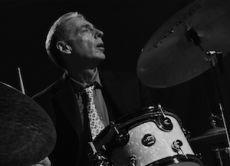
MIKE CLARK, DAVE STRYKER, MIKE LEDONNE, ROB DIXON
A exhilarating jazz filled collaboration with drummer Mike Clark, guitarist Dave Stryker, organist Mike LeDonne, and saxophonist Rob Dixon. A night with original and fan favorite compositions, this swinging ensemble will get your toes tappin’ and fingers snappin’ with exceptional musicianship and innovation.
Mike Clark is a legendary drummer known for his innovative rhythmic approach and his contributions to jazz fusion and hip hop. His drumming is characterized by its intricate and syncopated rhythms, and he has influenced countless drummers. He was a key member of Herbie Hancock’s Headhunters band, which pioneered the jazz fusion genre. His rhythmic innovations were heavily sampled by hip-hop artists, and his influence continues to be felt today.
Dave Stryker is a renowned jazz guitarist known for his soulful playing and versatility. With a long career and numerous collaborations, he consistently delivers captivating performances that showcase his mastery of the instrument. If you appreciate great music and want to experience a truly unforgettable live show, seeing Dave Stryker is highly recommended.
Pianist/Organist Mike LeDonne is an internationally renowned pianist and organist with the unique experience of having played with a wide spectrum of jazz masters from Benny Goodman to Milt Jackson, Ron Carter and Sonny Rollins. With his impressive technique and ability to blend different styles, he consistently delivers captivating performances. He has won praise not only from critics but from master musicians: Oscar Peterson picked him as one of his favorite pianists of today.
Saxophonist Rob Dixon’s music is a dynamic blend of tradition and innovation. He quickly made a name for himself in New York City, collaborating with jazz legends like Count Basie, Tony Bennett, and Duke Ellington. Now Naptown bound and dubbed the Musical Mayor of Indianapolis, Dixon continues to push boundaries and inspire audiences worldwide with his unique blend of jazz and contemporary sounds.
Tickets: $20.00 – $40.00 + $3.50 fee
More Posts: adventure,bandleader,club,drums,genius,guitar,instrumental,jazz,music,piano,preserving,saxophone,travel
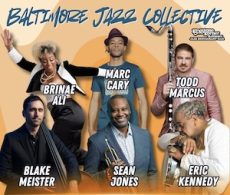
BALTIMORE JAZZ COLLECTIVE
Founded in 2019 at Keystone Korner Baltimore, the Baltimore Jazz Collective is making its Homecoming Return! Music and spirituality have always been fully intertwined in the artistic vision of trumpeter, bandleader, composer, educator and activist Sean Jones. With boundless passion, energy, and soul, Baltimore Jazz Collective explores the inner and outer frontiers of melody, harmony and time itself.
Sean Jones | Trumpet/Bandleader
Brinae Ali | Keys
Todd Marcus | Saxophone/Clarinet
Marc Cary | Piano
Blake Meister | Bass
Eric Kennedy | Drums
Cover: $35.00 ~ $45.00 + fee
Streaming: $15.00 + fee
More Posts: adventure,bandleader,bass,clarinet,drums,genius,instrumental,jazz,music,piano,preserving,saxophone,travel,trumpet,vocal
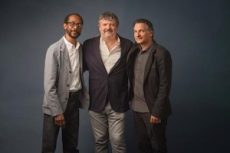
JON COWHERD
The pianist, composer and arranger is best known as the co-founder and co-director of Brian Blade and the Fellowship Band. He has worked extensively as an arranger, producer, songwriter and accompanist with a vast range of artists, such as Cassandra Wilson, John Scofield and Lizz Wright to Joni Mitchell, Brandi Carlile, Rosanne Cash, Norah Jones, Glen Hansard and more.
He is also a leader in his own right having released three acclaimed albums of his own. For this night, he performs in trio with an all-star rhythm section including drummer Brian Blade and bassist John Patitucci — the group from Cowherd’s most recent album Pride and Joy on Le Cowhich was named one of the year’s best by Downbeat critics, NPR.
The Band: Jon Cowherd, John Patitucci, Brian Blade
Tickets: $40.00~$145.00
More Posts: adventure,bandleader,bass,club,drums,genius,instrumental,jazz,music,piano,travel
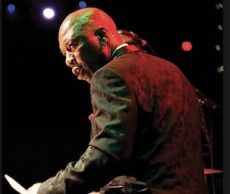
RON SAVAGE
The Ron Savage Berklee Trio features two of Berklee’s stalwart and renowned
More Posts: adventure,bandleader,club,drums,educator,genius,instrumental,jazz,music,preserving,travel
MEL BROWN B3 ORGAN GROUP
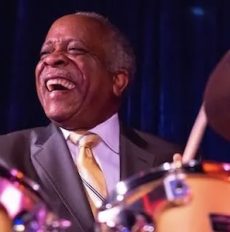
In fact, this true all-star band has been a sensation going back to 1997, when they began a 20-year run on Thursdays at Portland’s legendary “Jimmy Mak’s” music venue (The Oregonian dubbed them “Jimmy Mak’s signature group”). With a collective resume that reads like a “Who’s Who” of NW jazz, blues, and soul, this group has the talent and confidence to be completely spontaneous–from their blistering solos to their improvised arrangements and segues. No wonder they’ve thrilled audiences wherever they’ve played. Count among the band’s fans jazz great Christian McBride, host of National Public Radio’s “Jazz Night In America.” In an October 2021 broadcast, McBride played several excerpts from a Mel Brown B-3 Organ Group festival set.
The Band: Mel Brown~Drums | Renato Caranto~Tenor Saxophone | Dan Balmer~Guitar | Louis “King Louis” Pain~Hammond B3
Tickets: $20.00~$25.00
More Posts: adventure,bandleader,club,drums,genius,instrumental,music,preserving,travel