

Requisites
Quartet ~ Russ Freeman and Chet Baker | By Eddie Carter
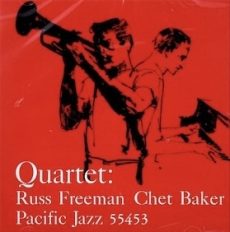
It had been some time since I last enjoyed Russ Freeman’s piano work, so this morning I chose an excellent collaboration featuring him and trumpeter Chet Baker from my library. Quartet (World Pacific Records, PJ-1232) hit the stores in 1957 and was the eleventh album Freeman and Baker recorded together. The album showcases six original tunes alongside two standards, and they are supported by the outstanding rhythm section of Leroy Vinnegar on bass and Shelly Manne on drums. The copy of this album that I own is a King Record Company Japanese mono reissue (Pacific Jazz GFX-3104).
The first side opener, Love Nest by Otto Harbach and Louis A. Hirsch begins at a brisk pace, with Chet on muted trumpet during the lively melody, which continues into a spirited opening statement. Russ gets the next nod and delivers an energetic reading. Leroy follows up with a swinging interpretation, then Chet and Shelly engage in a brief exchange before the closing chorus returns. Fan Tan, the first of six originals by Russ Freeman, slows the pace to midtempo for the quartet’s theme. Freeman is afforded plenty of room to shape his phrases in the opening statement. Baker is back on the open horn and maintains a laid-back vibe as he effortlessly swings to the closing chorus and ending.
Summer Sketch begins with a gentle piano introduction. Chet Baker’s trumpet playing throughout the track is both poetic and tender, with each note radiating romantic beauty, softly guiding the group to a smooth, unified finish. An Afternoon At Home ends the first side with the rhythm section’s inviting introduction, allowing Baker to glide through the opening chorus at a leisurely, relaxed pace. Freeman’s lead solo is as enjoyable as spending a leisurely afternoon with friends. Then, Vinnegar takes the spotlight next for a captivating solo. Baker has the last word with a charming presentation, before the quartet brings the tune to a satisfying close.
Say When starts Side Two with the quartet’s spirited melody. Chet leads the way with an exciting opening statement. Russ soars into the following presentation, then Shelly swings with great force in a brief, exhilarating closing reading before the theme’s reappearance and the group’s exit. Lush Life by Billy Strayhorn is one of the enduring favorites among jazz standards. The song begins with Freeman’s sensitive introduction, gently segueing to Baker’s rich tone as he introduces the tender theme. The pianist’s solo possesses a sad, reflective beauty, culminating in the trumpeter’s tender and thoughtful finale.
Amblin is a slow blues, introduced by the trio’s soulful introduction, segueing to the leader’s down-home melody. Chet opens with a solo that’s thoughtfully crafted and effortlessly delivered. Russ continues letting each verse glide effortlessly next. Leroy wraps it up with plenty of heart, ahead of the quartet’s theme reprise and climax. Hugo Hurwhey takes off with a short introduction, preceding the ensemble’s upbeat theme. Baker hits an ideal groove in the opening statement. Freeman takes the reins next with a robust reading, then Vinnegar, Manne, and Freeman culminate the solos in a vigorous exchange with Baker, leading to the melody’s restatement and conclusion.
Richard Bock produced Quartet, but the identity of the recording engineer is unidentified. However, this King Record Company reissue possesses outstanding audio quality, with an excellent soundstage that brings the foursome into your listening room with impressive clarity and presence. Whether you’re a Russ Freeman or Chet Baker fan, or are just discovering the discography of either musician, I emphatically recommend and invite you to pick up Quartet on your next trip to the record store. The album is a stellar showcase for both musicians and would make a welcome addition to any jazz library!
~ Lush Life – Source: JazzStandards.com
© 2025 by Edward Thomas Carter
>

More Posts: choice,classic,collectible,collector,history,instrumental,jazz,music,piano,trumpet
Requisites
A Day in Copenhagen ~ The Dexter Gordon-Slide Hampton Sextet | By Eddie Carter
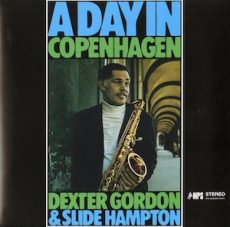
My appreciation for Dexter Gordon began when I first heard his album Go at one of my uncle Ben’s jazz gatherings during my childhood. The moment I heard Gordon’s rich, full-bodied, and resonant tone, I became an ardent fan of his playing. This morning, I’m exploring the tenor saxophonist in a different setting, paired with trombonist Slide Hampton in a stellar sextet. A Day in Copenhagen (MPS Records MPS 15 230 ST) was originally released in Germany in 1969. Rounding out the ensemble are Dizzy Reece on trumpet, Kenny Drew on piano, Niels-Henning Ørsted Pedersen on bass, and Art Taylor on drums. My copy of this album is the 2023 Worldwide Record Store Day limited edition stereo audiophile reissue (MPS Records 0218937MSW).
The first side kicks off with Kenny’s energetic introduction to My Blues by Slide Hampton. The front line launches into the spirited melody. Dexter takes flight first in an invigorating solo, then Kenny follows with a reading as refreshing as a cool drink on a warm evening. Dizzy adds a brassy bite next, then Niels-Henning gets a moment to shine. Slide makes his point passionately in the following interpretation, and Art steers the group toward the theme’s return and close. You Don’t Know What Love Is by Gene de Paul and Don Raye unfolds with the ensemble’s relaxed medium-paced theme. Slide comes out swinging first. Dexter fuels the following reading with electric energy, then Dizzy comes in for an enthusiastic solo. Dexter offers one final comment before the theme’s reprise and exit.
Slide Hampton’s A New Thing ends the first side with a relaxed, easygoing beat. Art’s introduction sets up the ensemble’s melody. Dexter’s opening solo ventures into fresh musical territory, then Kenny picks up the baton with his own imaginative improvisation. The group then reunites for the theme’s reprise and conclusion. What’s New by Bob Haggart and Johnny Burke is reimagined in a medium-tempo groove to start the second side, offering a fresh platform for the ensemble’s melody and solos. Dexter opens with a silky-smooth performance, then Dizzy builds the second statement exquisitely. Slide takes his turn in the spotlight next. Kenny adds his own inventive touch in the following reading. Niels-Henning closes things with a brief walk before the song ends.
The Shadow of Your Smile by Johnny Mandel and Paul Francis Webster is a quartet performance that unfolds gracefully with subtle elegance. Dexter delivers the melody and opening statement with a delicate touch and gentle finesse. Kenny then speaks softly with quiet sensitivity. Dexter reprises the theme into a soft, gentle ending. A Day In Vienna is a tribute to the Austrian Radio’s Jazz Workshop by Slide Hampton. After the front line kicks things off with an energetic melody, Dexter delivers a commanding opening solo. Dizzy keeps the excitement high with a captivating performance. Slide demonstrates remarkable technical skill and agility next. Niels-Henning’s bass work glides smoothly and gracefully. Finally, Art wraps up with a joyful flourish, guiding the sextet to an enthusiastic closing chorus.
Joachim-Ernst Berendt produced A Day in Copenhagen. Willi Fruth handled the recording supervision, and Birger Swan was the engineer. The album boasts exceptional sound quality, featuring an impressively clear and balanced soundstage in both the treble and midrange, complemented by a deep and well-defined bass. This release showcases the remarkable results that can be achieved through collaborative jazz, with an outstanding lineup of musicians. The album skillfully merges energetic, blues-inspired pieces with tender, evocative ballads, each rendered with exceptional skill and genuine feeling. The extraordinary chemistry among the players is apparent throughout, as each musician’s unique approach enriches the ensemble, all while maintaining a cohesive and unified artistic direction.
If you’re a fan of Dexter Gordon, Slide Hampton, or any of the exceptional musicians in this ensemble, or if you’re searching for a superb record that blends hard-bop and post-bop for your library, I enthusiastically recommend and invite you to check out A Day in Copenhagen by The Dexter Gordon-Slide Hampton Sextet on your next record shop visit. This album beautifully captures the magic of American, Danish, and Jamaican artists coming together in Copenhagen for a memorable jazz session that is likely to become one of your favorites!
~ Go (Blue Note BLP 4112/BST 84112) – Source: Discogs.com ~ The Shadow of Your Smile, What’s New, You Don’t Know What Love Is – Source: JazzStandards.com © 2025 by Edward Thomas Carter
More Posts: choice,classic,collectible,collector,history,instrumental,jazz,music,saxophone,trombone
Requisites
Organ Grinder Swing ~ Jimmy Smith With Kenny Burrell and Grady Tate | By Eddie Carter
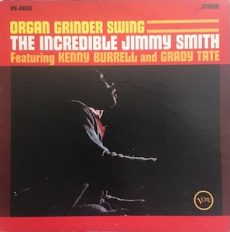
This morning’s selection from the library holds a special significance to me. It was one of my mom’s favorite albums to play while enjoying her morning coffee and preparing our Sunday dinners when we were younger. Organ Grinder Swing (Verve Records V-8628/V6-8628) is a terrific trio album by Jimmy Smith, with Kenny Burrell on guitar and Grady Tate on drums. It was his second most successful album, surpassed only by Back at the Chicken Shack. The soulful character of his organ playing had a profound impact on me from the moment I first heard Houseparty and The Sermon. I quickly became a devoted fan, growing to appreciate even more the rich musicality and infectious grooves he brought to every performance. My copy of this album is the original 1965 U.S. deep groove stereo release.
The title track, The Organ Grinder’s Swing by Will Hudson, Irving Mills, and Mitchell Parish, kicks off the first side with Jimmy’s infectious enthusiasm on a swinging theme. Kenny builds the opening solo with some home-cooking. The organist steps up next with a spirited statement, and Jimmy’s vocal comments as it unfolds. Grady provides a steady beat that propels the group into the climax. Oh, No, Babe by Jimmy Smith gets this soulful blues underway with Smith’s organ and vocals, which are inserted during the introduction and melody. Burrell’s gentle touch shines in a refined, inviting opening solo. Smith brings a Southern flair to the proceedings with a down-home, tasteful delight ahead of the song’s conclusion.
Blues For J by Jimmy Smith is a bluesy mid-tempo original that opens with the trio’s joyously carefree theme in unison. Kenny takes center stage, showcasing his guitar artistry in the opening solo. Jimmy extends the happy mood with a vibrant performance, leading the group back to the ensemble’s reprise and a satisfying finish. The trio delivers a unique take on Greensleeves, the beloved English folk tune. Smith begins the melody with gospel-tinged musical ideas that give the melody a fresh sense of soulfulness. Burrell launches the opening statement with a laid-back, smooth groove. Smith then takes command, delivering an energetic and spirited interpretation that continues until the group’s theme reprise gradually dissolves, like autumn leaves drifting to the ground.
I’ll Close My Eyes by Buddy Kaye and Billy Reid is gently introduced by the trio, segueing into a graceful melody. Kenny’s opening statement radiates a comforting elegance and is one of his most beautiful moments on the album. Jimmy then guides the group toward the song’s reprise, incorporating sensitive ideas and a warm, refined tone, until the ensemble brings back the theme. Satin Doll by Duke Ellington, Johnny Mercer, and Billy Strayhorn is one of the most frequently recorded jazz standards, and picks up the beat one final time for the trio’s light-hearted theme. Burrell looks back nostalgically and sparkles with a soulful touch in the opening solo. Smith responds by gliding efficiently over the keys in a closing statement of happiness while Tate keeps the tempo lively and upbeat ahead of the finish.
Creed Taylor produced Organ Grinder Swing, and Rudy Van Gelder handled the recording. While the album’s sound quality is a strong effort, it falls short of the very best due to a harshness in the microphone placement at the organ, which is especially notable on The Organ Grinder’s Swing, Blues For J, and Greensleeves. This technical flaw, however, does not diminish from the album’s overall excellence. So, don’t let that deter you from adding this record to your library. The album’s greatest strength to me is how impeccably the trio works together. Kenny Burrell and Grady Tate perfectly complement Jimmy Smith throughout every track with a flawless sense of rhythm. If you aren’t looking at the cover, you could easily mistake this for one of the organist’s classic Blue Note recordings.
For fans of the jazz organ or those just discovering the music of Jimmy Smith, I invite you to check out Organ Grinder Swing the next time you’re visiting your favorite record shop. It perfectly captures the dynamic spirit and sophisticated musicianship that emerges when three exceptional performers unite, resulting in a memorable showcase of rhythm, style, and collaboration!
~ Back at the Chicken Shack (Blue Note BLP 4117/BST 84117), Houseparty (Blue Note BLP 4002/BST 84002), The Sermon (Blue Note BLP 4011/BST 84011) – Source: Discogs.com ~ Satin Doll – Source: JazzStandards.com ~ Greensleeves, I’ll Close My Eyes, The Organ Grinder’s Swing – Source: Wikipedia.org © 2025 by Edward Thomas Carter
More Posts: choice,classic,collectible,collector,history,instrumental,jazz,music,organ
Requisites
Bud Powell – A Portrait of Thelonious | By Eddie Carter
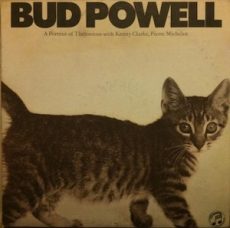
Submitted for your approval this morning is an underrated, yet excellent 1965 trio album by pianist Bud Powell. A Portrait of Thelonious (Columbia CL 2292/CS 9092) is a wholehearted tribute to Thelonious Monk, one of the most influential figures in jazz. Pierre Michelot joins him on bass, and Kenny Clarke is on drums. Together, this trio of giants captures the spirit, complexity, and emotional depth of four Monk compositions, one standard and three little- known originals, as seen through Powell’s interpretations. The chemistry between the musicians yields a dynamic exploration of Monk’s repertoire, rendering the album both a reverent homage and a fresh reimagining of the jazz piano tradition. My copy of this album is the 1980 U.S. Columbia Jazz Odyssey Series stereo reissue (PC 36085).
Monk’s Off Minor opens the first side at a medium beat for the friendly melody. Bud is the featured soloist and glides through an enchanting performance with Pierre and Kenny providing a crisp, driving foundation right up to the song’s finish. There Will Never Be Another You by Mack Gordon and Harry Warren is a joyous interpretation that the trio brings to life with a playful spirit during the theme, which is sure to bring a smile to the listener’s face. Again, Powell is the lone soloist and provides a leisurely presentation, possessing a carefree zest that’s consistently rewarding, leading to the theme’s reprise and climax.
Thelonious Monk created some of jazz’s most memorable standards, and Ruby, My Dear is one of his most beautiful compositions, named for his first love, Rubie Richardson. The trio opens with a delicate melody. Bud presents a haunting, poignant performance, marked by gentle sensitivity, layered over the warm, supportive accompaniment of Pierre and Kenny, ahead of a gorgeous conclusion. No Name Blues by Earl Bostic is a catchy tune that begins with the trio’s effective medium-tempo beat for the theme. Powell’s lead solo is an ear-pleaser that swings comfortably into Michelot’s relaxing performance, fueled by Clarke’s brushwork preceding the trio’s bouncy closing chorus.
Thelonious is another of Monk’s inventive melodic ideas from 1947, like Off Minor and Ruby, My Dear. The trio immediately grabs the listener with a catchy hook and a solid medium-tempo groove during the introduction and theme. Powell swings effortlessly in the song’s only solo before the ensemble’s reprise and ending. Monk’s Mood is a pretty ballad by Thelonious Monk that’s luxurious yet straightforward. Powell has the solo spotlight to himself and delivers a gorgeous performance of beauty, elegance, and affectionate warmth, while Michelot and Clarke keep close preceding the song’s peaceful conclusion.
The beat moves upward for I Ain’t Foolin’ by Charles Albertine next. It’s a toe-tapper from the start of the ensemble’s bubbly introduction and melody. Bud navigates the tune’s lively structure in a spirited performance blending bebop lines and Monk-inspired blues inflections until the theme’s restatement and exit. Squatty by Brian Fahey concludes the album, with Clarke setting the tone ahead of the trio’s infectious groove on the melody. Powell establishes a relaxed rhythm, inviting listeners to unwind during the first solo. Michelot steps forward next with a concise reading of lively notes before the trio’s finale.
Julian “Cannonball” Adderley produced A Portrait of Thelonious, and it’s unknown who the original engineer was.Arthur Kendy was behind the dials of the reissue. The album’s sound quality across the highs, midrange, and bass is superb, placing the musicians in your listening room. Each instrument is captured with remarkable clarity, and the balanced mix highlights the interplay between the trio, making every note feel immediate and intimate. If you’re seeking a superb piano trio album for your library, I enthusiastically invite you to check out A Portrait of Thelonious by Bud Powell on your next record shopping trip. It’s an excellent introduction to his music that’s sure to become a welcome addition to any fan’s library who appreciates piano jazz!
~ There Will Never Be Another You – Source: JazzStandards.com ~ Off Minor, Ruby, My Dear, Thelonious – Source: Wikipedia.org © 2025 by Edward Thomas Carter
More Posts: choice,classic,collectible,collector,history,instrumental,jazz,music,piano
Requisites
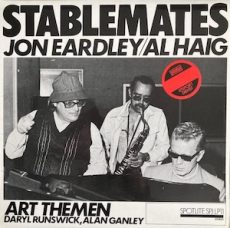
Stablemates ~ Jon Eardley and Al Haig | By Eddie Carter
You really know your godchildren truly care and love you when they surprise you for your birthday with an album by two artists whose music you’re aware of, yet whose records have never found a place in your library. This morning’s spotlight shines on flugelhorn and trumpet player Jon Eardley, who was passing through London on a brief 1977 tour and pianist Al Haig, who was in town to visit friends. The two musicians seized the moment to head into the studio to record their only album together, Stablemates (Spotlite Records SPJ LP11). It was released two years later, and rounding out the ensemble are Art Themen on tenor sax, Daryl Runswick on bass, and Alan Ganley on drums. My copy of this album is the 1979 U.K. stereo release.
The first side opener, Tangerine by Johnny Mercer and Victor Schertzinger, begins with Al’s upbeat piano intro to Jon’s lively melody. Art kicks off the opening solo briskly, then Al flows smoothly into the following reading. Jon entersnext with a strong, assertive tone. Art and Jon share a final conversation leading back to the theme’s reprise and close. Speak Low by Ogden Nash and Kurt Weill raises the temperature with the quintet’s swinging melody. Themen opens the solos with an inspired improvisation that sets the tone. Eardley follows with plenty of bounce and effervescence on the second statement. Themen is off to the races next with impeccable precision, then Runswick and Ganley engage in a spirited exchange until the theme’s restatement fades out.
‘Round Midnight by Bernie Hanighen, Thelonious Monk and Cootie Williams is a quartet showcase that opens with Al and Daryl’s pensive introduction ahead of Jon’s tender melody. Al begins the opening solo with dreamlike softness, then the pace moves upward slightly for Jon’s elegant interpretation before the ensemble’s gentle ending. The second side gets underway with the pianist’s soothing introduction to Embraceable You by George and Ira Gershwin. Eardley states the gentle melody with Themen. In the first solo, Haig offers a tender, thoughtful statement with a soft touch of elegant beauty. Eardley truly shines in the closing reading with notes so deeply heartfelt that it’s bound to move you to tears, leading to Themen’s closing chorus and a gentle climax.
Don’t Blame Me by Dorothy Fields and Jimmy McHugh receives a gorgeous treatment by the quintet, beginning with Jon’s slow-paced theme that radiates inviting warmth, and Art’s perfectly placed inserts. Al leads off, skillfully blending composure and gentleness, before Art continues this lovely standard with a solo that truly touches the spirit. Jon delivers an exquisitely soft, poignant horn passage preceding the theme’s return. The beat moves upward on final time for Eardley’s theme to Love Walked In by George and Ira Gershwin. Themen opens the solos with an energetic drive, then Haig contributes a robust interpretation. Eardley matches the intensity with swift execution, and Ganley and Runswick meet on common ground in the closer, leading to the theme’s reprise and climax.
Tony Williams produced the album, and Steve Waldman served as the recording engineer. It delivers an exceptional soundstage, as though the ensemble is performing live in your listening room. The mix is impressively balanced, offering remarkable clarity and fidelity from your speakers. Stablemates is one of six albums Jon Eardley led as a leader, and he contributed as a sideman on ten additional records. Al Haig, meanwhile, led twenty-five albums and played as a sideman on eight more. If you haven’t yet experienced the artistry of Jon Eardley or Al Haig, I highly encourage you to seek out Stablemates on your next search for great jazz records. This outstanding album invites fresh appreciation with each play and remains as relevant today as it was over forty years ago!
~ Don’t Blame Me, Embraceable You, Love Walked In, ‘Round Midnight, Speak Low, Tangerine – Source: JazzStandards.com
© 2025 by Edward Thomas Carter
More Posts: choice,classic,collectible,collector,history,instrumental,jazz,music,piano,trumpet