

Requisites
No More Brew ~ Brew Moore | By Eddie Carter
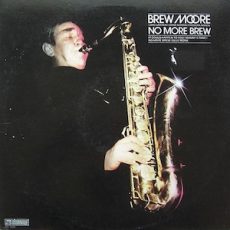
This morning’s album offered for your consideration is a live performance by Brew Moore. No More Brew (StoryvilleSLP-4019) was his final album, released eight years after his passing. Brew was born in Indianola, Mississippi and began playing the trombone at age twelve, later graduating to the clarinet and eventually the tenor saxophone. His professional journey took him from a Texas territorial band before attending college, to New Orleans, Memphis, and New York, to further his craft. He’s joined on stage by Lars Sjösten on piano, Sture Nordin on bass, and Fredrik Noren on drums. My copy is the 1981 U.S. Stereo release.
The set begins with Jimmy Van Heusen and Johnny Burke’s It Could Happen To You. Lars opens with a swinging introduction, setting up the quartet’s theme. Brew launches into a sizzling solo. Lars comes in energetically next. Sture illustrates he’s an effective soloist in a polished reading. Brew and Frednik exchange a brief dialogue, leading to the theme’s return and closure. Moore addresses the audience, then Sjösten’s introduction leads into the ensemble’s lively melody of Manny’s Tune by John Marabuto. Moore takes off first quickly. Sjösten responds with an impressive reading. Moore and Noren wrap things up with a concise conversation ahead of the closing chorus and abrupt finish.
Brew’s contribution to the set, No More Brew begins Side Two with the foursome’s joyful introduction and melody. Moore opens with energetically captivating phrases, then Lars’s vigorous reading flows through the rhythm section like ephemeral shadows. Brew and Fredrik fuel the finale with a concise comment preceding the theme’s return and a short announcement by Moore that concludes with Blue Monk by Thelonious Monk. The quartet begins with a soulful, blues-inspired melody that sets the stage for Moore to accelerate into an extended, captivating solo. Sjösten mines a rich vein of sentimentality next until the tempo slows again for the melody’s reprise and exit.
Rune Öfwerman produced the album, although it’s unknown who recorded it. However, the album’s sound quality is excellent, with a soundstage placing the listener in the club audience as the musicians are performing. Brew Moore, known for his irresistibly appealing tone that could either stir excitement or touch the heart, recorded twelve albums as a band leader and contributed to seven more as a sideman. Tragically, he passed away on August 19, 1973, at age forty-nine after a fatal fall down a flight of stairs. If you’re a fan of swing and bop and also enjoy the tenor sax, I highly recommend exploring No More Brew by Brew Moore on your next record store visit. This exceptional album showcases a talented young musician whose promising career was sadly cut short!
~ Blue Monk – Source: JazzStandards.com
~ It Could Happen To You – Source: Wikipedia.org
© 2025 by Edward Thomas Carter

More Posts: choice,classic,collectible,collector,history,instrumental,jazz,music,saxophone
Requisites
The Song Book ~ Booker Ervin | By Eddie Carter
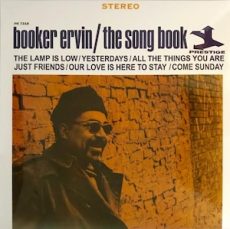
In February 1964, tenor saxophonist Booker Ervin recorded an album of standards. The Song Book (Prestige PRLP7318/PRST 7318) is a quartet session featuring Tommy Flanagan on piano, Richard Davis on bass, and Alan Dawson on drums. My copy is the 2023 Analogue Productions stereo audiophile reissue matching the original catalog number. The album opener, The Lamp Is Low by Peter de Rose, Mitchell Parish, Maurice Ravel, and Bert Shefter, kicks off the quartet’s melody at a fast gallop. Booker wails with remarkable energy, then Tommy rips down the road next. Richard follows suit with a brisk walk, and Alan goes to work last, preceding the ending theme and fadeout.
The quartet brings a profound emotional depth to Duke Ellington’s Come Sunday. Tommy’s gentle introduction sets the mood for Ervin’s warm tone, tenderly embracing the theme. Flanagan shines as the song’s lone soloist, delivering sweet moments of beauty matched by the rhythm section’s serene accompaniment, leading up to the leader’s soft conclusion. All The Things You Are by Oscar Hammerstein II and Jerome Kern picks up the beat for the quartet’s lively melody. Booker goes right to work on the opening statement and is consistently inventive and entertaining. Tommy swings effortlessly into the spotlight next with a spirited solo before the theme’s restatement dissolves gradually.
Just Friends by John Klenner and Sam M. Lewis begins the second side on an upbeat note, with Flanagan’s introduction leading to the quartet’s opening theme. Ervin blazes the trail with a commanding performance, then Flanagan delivers the song’s second message with authority. Davis completes the proceedings with a concise comment leading to a charming conclusion. Yesterdays by Otto Harbach and Jerome Kern opens with a tender piano introduction ahead of the saxophonist’s beautiful melody. Tommy takes the first turn with an emotionally rich, heartfelt interpretation, then Booker blends nostalgia and sentiment flawlessly until the theme’s gentle reprise and serene ending.
Our Love Is Here To Stay by George and Ira Gershwin picks up the pace one final time for the foursome’s lively melody. Ervin takes hold of the first spot swiftly, then Flanagan swings effortlessly into the following reading. Davis provides the exclamation point propelled by the rhythm section’s brisk supplement, ahead of the group’s upbeat exit.
Don Schlitten produced The Song Book, and Rudy Van Gelder was the recording engineer. Kevin Gray mastered the audiophile reissue, and the album’s sound quality is mesmerizing, placing the musicians in front of the sweet spot. The record was pressed on 180 grams of audiophile vinyl and is quiet as a church mouse until the music starts.
Booker and the rhythm section bring each track to life with genuine emotion, and approach each song with heartfelt affection, showcasing a profound admiration for the melodies of these cherished standards. If you’re a fan of hard bop and haven’t acquired an earlier pressing yet, please make a note to add The Song Book by Booker Ervin to your list on your next record hunt. This Analogue Productions reissue beautifully celebrates the timeless treasures of The Great American Songbook and undoubtedly deserves a place in every jazz fan’s library!
~ All The Things You Are, Come Sunday, Just Friends, Love Is Here To Stay – Source: JazzStandards.com
~ The Lamp Is Low, Yesterdays – Source: Wikipedia.org
© 2025 by Edward Thomas Carter
More Posts: choice,classic,collectible,collector,history,instrumental,jazz,music,saxophone
Requisites
Straight No Filter ~ Hank Mobley | By Eddie Carter 5.4.25
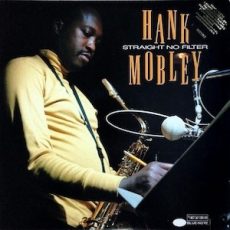
This morning’s album from the library is one of my favorites by tenor man Hank Mobley. Straight No Filter (BlueNote BST 84435) is a 1986 release of previously unreleased tracks culled from three sessions in 1963, 1965, and 1966. Hank composed all the tracks on this album. He’s joined by Donald Byrd (track: B3), Freddie Hubbard (B1,B2), and Lee Morgan (A1 to A3) on trumpet, Herbie Hancock (B3), Barry Harris (B1, B2), and McCoy Tyner (A1 to A3), Paul Chambers (B1, B2), Bob Cranshaw (A1 to A3), and Butch Warren (B3) on bass, Billy Higgins (A1 to B2), and Philly Joe Jones (B3) on drums. My copy is the U.S. Direct Metal Mastering stereo release.
The title track, Straight No Filter, kicks off the album with the rhythm section’s lively introduction to the ensemble’s melody. Hank launches into the opening statement. Lee maintains the spirited groove in the following solo, and then McCoy takes the energy to a new level. Hank and Lee exchange a few choruses, leading back to the theme and climax. Chain Reaction starts swiftly from the trio’s introduction into the front line’s uptempo theme. Tyner leads the way with an infectiously energetic solo. Morgan swings into the second solo with considerable zest and a bright tone, then Mobley soars briskly through the finale into the theme’s restatement and a slow fade.
Soft Impressions opens with the rhythm section setting a soothing mood for the quintet’s theme. Hank establishes a smooth and easy groove in the opening statement. Lee adds to the relaxing atmosphere in the second interpretation, and then McCoy’s closing solo is as refreshing as an oasis in the desert until the theme’s reprise and climax. Third Time Around begins the second side with Chambers’s introduction ahead of the group’s medium melody. Mobley gets right down to business in the lead solo, then Hubbard provides a beautifully executed statement. Harris provides a pleasantly relaxing reading next, and Chambers walks with a bluesy bounce before the closing ensemble exits.
Hank’s Waltz is a catchy blues that Barry introduces ahead of the ensemble’s entrance. Hank breaks the ice with an infectious swing, then Lee adds a spicy touch in the second solo. Barry further elevates the mood in the final statement, before the theme is revisited and the rhythm section gently fades out. The group serves up a delicious plate of Syrup and Biscuits for the album’s finale. After the engaging theme is established, Mobley fires up the joyful energy in the opening solo. Byrd maintains a cheerful vibe in the following performance. Both horns engage in a vibrant exchange preceding the closing chorus.
Alfred Lion produced the original sessions, and Michael Cuscuna produced this release. Rudy Van Gelder was behind the dials on each date. The album boasts an excellent soundstage, transporting the musicians to the sweet spot in your listening room. Mobley was one of the best tenor men in jazz, with an outstanding discography as both leader and sideman. If you enjoy hard bop, consider adding Straight No Filter by Hank Mobley to your list on your next vinyl hunt. It’s a delightful surprise featuring some excellent playing by Hank and his bandmates across three stellar sessions, making it a highly recommended addition to any jazz library!
© 2025 by Edward Thomas Carter
More Posts: choice,classic,collectible,collector,history,instrumental,jazz,music,saxophone
Requisites
Focus ~ Bill Hardman | By Eddie Carter
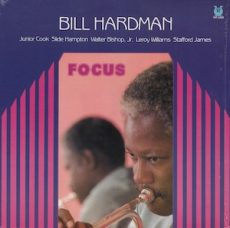
This morning’s discussion is a terrific album by Bill Hardman. Focus (Muse Records MR 5259) is his fourth release as a leader, and a hidden gem in his catalog. Bill was born and raised in Cleveland, Ohio, where his jazz journey began playing with Tadd Dameron while in high school, and after graduating, with Tiny Bradshaw. His first recording with Jackie McLean in 1956 marked the beginning of a career that, although not widely known, earned deep respect in jazz circles for his exceptional trumpet and flugelhorn performances. On this album, Bill’s trumpet is joined by Slide Hampton on trombone (tracks: A2, A3, B1, B3), Junior Cook on tenor sax, Walter Bishop Jr. on piano, Mark Elf on guitar (B2), Stafford James on bass, and Leroy Williams on drums. My copy is the 1980 U.S. stereo release.
Side One is off to the races with Avila & Tequila by Hank Mobley. Leroy opens with a spirited introduction, accompanied by Walter and Stafford, setting the stage for the ensemble’s collective theme. Bill soars through the opening solo energetically. Junior’s following statement is brimming with dynamic energy. Walter maintains the vigorous momentum next, and Leroy charges the finale in a short workout, culminating in the theme’s reprise and fadeout. The sextet eases into the medium melody of Cubicle by Walter Bishop Jr. Bill gets into a good groove on the lead solo. Slide has an outstanding moment before Junior takes over to put his ideas into practice. Walter wraps it up before the restatement and exit.
Up next is Bill Lee’s Too Little, Too Late. The sextet’s medium-tempo introduction and melody start things off. Bill gets things going with a relaxing interpretation, then Slide moves with unhampered ease in the following solo. Junior jumps into a short, articulate statement next, and Walter wraps things up with a satisfying conclusion, preceding the closing chorus. The title tune, Focus by Tadd Dameron, changes the direction to begin the second side with the ensemble’s upbeat introduction and theme in unison. Slide steps up first to give a lively solo. Junior glides over the rhythm section with agility and skillful confidence next, then Bill attacks the following reading with virile lyricism. Walter continues conveying happy thoughts on the piano, and Stafford takes a short walk leading to the ending theme.
My One and Only Love by Robert Mellin and Guy Wood begins with Walter’s introduction, setting the mood for Bill’s tender melody with Junior shadowing him as it unfolds. Junior tells a touching story in the opening statement, then Mark delivers notes of great beauty in his only solo spotlight. Bill follows with a passionately haunting interpretation preceding his return to the gentle ending theme and soft climax. Minority by Basheer Qusim takes off like a race car with Leroy leading the sextet into a speedy melody. Bill goes to work first with a spirited solo, then Junior cooks at the right temperature. Slide infuses the following reading with riveting urgency. Walter builds the following statement exquisitely, and Leroy shines in a short workout before the melody’s restatement and finale.
Fred Seibert produced Focus, and the recording engineer was Fred Miller. The album is a joy to listen to, with a superb soundstage that brings the musicians to the sweet spot in your listening room with stunning fidelity. Bill Hardman recorded only five albums as a leader, but his discography as a sideman is extensive, including with Art Blakey and The Jazz Messengers, Lou Donaldson, Charles Mingus, and Horace Silver. He also co-led a group with Junior Cook but ultimately remained little known to the general public. He died on December 6, 1990, from a brain hemorrhage at age fifty-seven. If you’re a hard bop fan, I invite you to check out Focus by Bill Hardman on your next vinyl hunt. It’ll reward you with many hours of listening pleasure, especially if you’re a fan of jazz trumpet!
~ Jackie’s Pal (Prestige PRLP 7068) – Source: Discogs.com
~My One and Only Love – Source: JazzStandards.com
© 2025 by Edward Thomas Carter
More Posts: choice,classic,collectible,collector,flugelhorn,history,instrumental,jazz,music,trumpet
Requisites
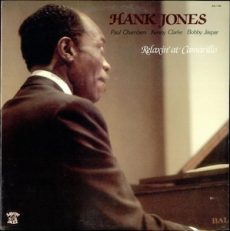
Relaxin’ at Camarillo ~ Hank Jones | By Eddie Carter
Have you ever found yourself planning to listen to a specific album in your library, only to be drawn to another title on the shelf? That’s precisely what happened to me, and it ultimately led to a delightful surprise and this morning’s discussion. Hank Jones has been one of my favorite pianists since I first heard him on Bass on Top, New Trombone, Portrait of Art Farmer, and Somethin’ Else many years ago. Relaxin’ at Camarillo (Savoy Jazz WL 70504) was initially released in 1956 as the Hank Jones Quartet, and this gem is often overlooked within his extensive discography. Accompanying Hank in this session are Bobby Jaspar on flute, Paul Chambers on bass, and Kenny Clarke on drums. My copy is the 1984 U.S. mono reissue.
The album opener is the lovely forties tune Moonlight Becomes You by Jimmy Van Heusen and Johnny Burke. A brief piano introduction sets up Bobby’s gentle melody, with the trio in tow. Hank begins the solos with notes of beautiful simplicity. Bobby takes over to deliver the second statement effortlessly, then comes Paul’s elegantly subtle closer before the melody returns and ends softly. The title track, Relaxin’ at Camarillo by Charlie Parker, elevates the pace for the foursome’s mid-tempo theme. Jaspar takes flight first in a spirited presentation of rhythmic energy. Chambers then walks skillfully through the following solo, and Jones vigorously tackles the third reading. All three soloists repeat this sequence several times until the theme’s reprise ends abruptly.
Side Two begins with Minor Contention by Hank Jones. The pianist’s introduction ushers in the foursome’s upbeat melody. Bobby leads the charge, building each chorus with irresistible momentum. Hank surges into the following interpretation with a vibrant energy. Paul takes a jaunty walk through the third performance, and finally, Bobby, Hank, and Kenny conclude with an exhilarating three-way dialogue, culminating in a splendid finale. The quartet enjoys a pretty Sunday in Savannah by Hugh McKay next. Hank’s slow-paced introduction blossoms into Jaspar’s tenderly passionate melody. Jones opens with a delicately thoughtful presentation, and then the flutist provides a sultry commentary preceding a gentle conclusion.
The beat ascends one final time for an original by Cannonball Adderley, Spontaneous Combustion. Bobby’s introduction opens the door for the quartet’s blues-infused theme. Hank dives into the leisurely opening solo with relaxing lines. Bobby follows with a refreshing statement reminiscent of a cool swim on a sweltering summer day. Jaspar and Jones share a delightful exchange of notes, leading to Paul’s pleasant moment ahead of the climax. Ozzie Cadena produced the initial session, while Bob Porter oversaw the reissue’s production. Rudy Van Gelder operated the recording dials. The album boasts a stunning soundstage for a fifties release, with instruments that jump out of the speakers in this mono reissue.
Throughout his illustrious career, which spanned sixty-six years, Hank Jones recorded over sixty albums as a leader. He was also a prominent member of the Great Jazz Trio, contributing to thirty-eight albums and an additional seven titles with the Great Jazz Quartet and Quintet. His extensive discography also includes numerous appearances as a sideman. If you’re a piano jazz enthusiast and also enjoy cool jazz and hard bop, Relaxin’ at Camarillo by Hank Jones is an exceptional choice for a spot in your library. As I mentioned earlier, it’s a delightful surprise with the addition of Bobby Jaspar to the trio, making this a title that shouldn’t be missed on your next record-shopping trip!
~ Bass on Top (Blue Note BLP 1569/BST 81569), Hank Jones Quartet (Savoy MG-12087), New Trombone (Prestige PRLP 7107), Portrait of Art Farmer (Contemporary Records C3554/S7027), Somethin’ Else (Blue Note BLP 1595/BST 81595) – Source: Discogs.com
~ Moonlight Becomes You – Source: Wikipedia.org
© 2025 by Edward Thomas Carter
More Posts: choice,classic,collectible,collector,history,instrumental,jazz,music,piano