

Requisites
Images ~ Ralph Moore | By Eddie Carter
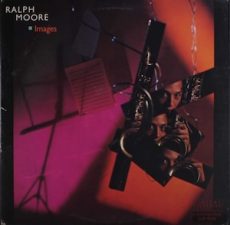
Ralph Moore enters this morning’s spotlight with Images (Landmark Records LLP-1520). He was born in Brixton in South London, England, and took up the trumpet and various instruments at the age of fourteen before deciding on the tenor saxophone. In the early 1970s, he relocated to Santa Maria, California, and later to Boston, Massachusetts, where he began performing locally while studying at Berklee College of Music. Unfortunately, his studies were interrupted by a home invasion that left him seriously injured and unable to complete his degree. Joining him on this date are Terence Blanchard on trumpet (tracks: A1, A3, B1, B3), Benny Green on piano, Peter Washington on bass, Kenny Washington on drums, and Victor See-Yuen on congas (A3). My copy of the album is the 1988 U.S. stereo release.
Side One commences with an energetic trip on the Freeway by Ralph Moore. From the rhythm section’s introduction, the quintet swings with an invigorating theme. Ralph has the first solo spot and swiftly navigates the trio’s interplay to a satisfying conclusion. Terence follows with an energetic interpretation, then Benny dives into a jubilant performance, culminating in the exuberant closing chorus and climax. The mood shifts to a slower tempo for a beautiful quartet rendition of Enigma by J.J. Johnson. Moore exudes grace and politeness in the opening melody, then proceeds with a richly detailed and tender presentation. Green’s short solo is filled with melodious sweetness, like the taste of a well-aged vintage wine before the close.
The trio’s infectious Latin-influenced introduction begins with Episode From a Village Dance by Donald Brown. The quintet’s danceable theme gets things off to a good start. Ralph leads the way with a happy groove. Terence steps up to give a jaunty reading, then Benny adds to the festive mood in the closing interpretation, ahead of the ensemble’s theme reprise and climax. The quintet takes the beat upward to begin the second side with This I Dig of You by Hank Mobley. The rhythm section’s introduction sets up the ensemble’s rhythmic attack in the melody. Blanchard opens the door with a spirited solo, then Moore brings the heat in the second reading. Green soars ahead next, and the front line mixes it up with Washington preceding the quintet’s closing chorus and exit.
Ralph Moore’s Blues For John is his upbeat tribute to John Coltrane. A spirited two-instrument dialogue between Moore and Washington segues into the quartet’s brisk melody. Benny rolls out the opening statement effortlessly, then the leader soars through the following interpretation with terrific momentum. Peter takes his first solo of the date and delivers an inspired reading, leading to a short theme restatement and abrupt stop. The quintet returns to begin Punjab by Joe Henderson with a bluesy introduction and melody. Peter goes for a leisurely stroll in the opening statement. Ralph follows with a delightful interpretation, then Terence steps for a well-crafted solo that’s marvelously executed. Benny has the last word, then hands it over to the ensemble, who close the song as they began.
Elmo Hope’s One Second, Please, raises the intensity one final time for the trio’s introduction, leading to the quartet’s rapid melody. Ralph launches into the opening statement with electrifying energy. Benny succeeds him with a series of exhilarating ideas that flow seamlessly. Ralph and Kenny add a vigorous footnote before the ensemble wraps up the song. Orrin Keepnews produced Images, with Rudy Van Gelder as the recording engineer. George Horn mastered this release, utilizing a Mitsubishi X-80 digital tape recorder, which enabled direct recording and mastering from two-track digital tape. The album’s sound quality is splendid, with a crystal-clear soundstage that not only allows each instrument to shine but also makes it feel as though the musicians are playing right in front of you.
Ralph Moore is a tenor saxophonist whose music, deeply influenced by John Coltrane, is both personal and easily recognizable. His professional journey began with a 1979 tour of Scandinavia. After moving to New York City a year later, he collaborated with numerous musicians, including as a member of Kevin Eubanks’ band on “The Tonight Show.” “Images” is Moore’s fourth album as a leader, and despite his relatively small discography as both a leader and sideman, each album reveals his energetic and vibrant style. For fans of the tenor saxophone, I invite you to consider “Images” by Ralph Moore for a spot in your library on your next record hunt. It’s a terrific album that showcases Moore’s growing mastery and passion for hard bop, and it should not be missed!
© 2025 by Edward Thomas Carter

More Posts: choice,classic,collectible,collector,history,instrumental,jazz,music,saxophone
Requisites
Three Quartets ~ Chick Corea | By Eddie Carter
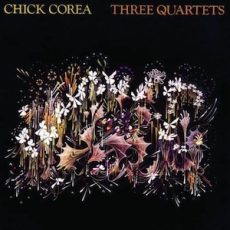
Chick Corea embarks on a captivating exploration of jazz through the lens of Baroque, Classical, Impressionist, and Romantic traditions in Three Quartets (Warner Bros. BSK 3552). He began learning the piano at the age of four and later took up the drums by the age of eight. Corea also became proficient with other keyboards and the vibraphone. His professional career began when he performed with Mongo Santamaria in 1962. Over the years, he contributed to several landmark jazz albums and collaborated with numerous artists. He also formed several groundbreaking groups, including Circle, the Chick Corea Akoustic and Elektric Bands, Five Peace Band, Origin, The New Trio, and Return to Forever. These ensembles cemented his reputation as one of jazz’s most innovative, revered, and versatile musicians.
The pianist is joined by an ensemble of highly skilled musicians: Michael Brecker on tenor sax, Eddie Gómez on double bass, and Steve Gadd on drums. Corea not only composed but also arranged all the songs, and my copy of the album is the 1981 U.S. Stereo release. Side One gets underway with the trio’s effervescent introduction to Quartet No. 1, setting the stage for an adventurous melody powered by the foursome’s rock-inspired rhythm. Michael’s entrance amplifies the energy aggressively in the opening statement. Eddie has the spotlight next and takes an invigorating stroll, then Chick’s closing interpretation comes vibrantly alive, leaving the listener’s ears sizzling, ahead of the song’s closing moments.
Quartet No. 3 takes matters a step further in terms of character and expression. The ensemble’s introduction is slow and deliberate, gradually building momentum as the melody unfolds. Brecker opens with a bold statement that explores the edges of avant-garde jazz and post-bop. Gómez comes in for a brief interlude, then Corea delivers one of his most inventive solos. Gómez shines once more in an excellent reading before Brecker guides the quartet into the out-chorus. Quartet No. 2 (Part 1) is a ballad that’s dedicated to Duke Ellington, beginning with a lengthy piano introduction, which develops into Michael’s tender theme. Eddie starts things off with a graceful solo, then Chick makes a polite point next. Michael wraps things up with a sweet-toned delivery in the lead-up to the tranquil climax.
The closer, Quartet No. 2 (Part II), dedicated to John Coltrane, welcomes us to Gadd’s crisp introduction, which segues into the group’s upbeat theme. Corea launches into the opening statement with swift and electrifying lines. Gómez steps in next with a nimble reading. Brecker follows with a fiery performance, before Gadd steps in for a brief workout. Corea returns for a short solo, leading to a thrilling finish. Chick also wore the producer’s hat on this date, and Bernie Kirsh was behind the recording dials, as well as handling the mixing. The album possesses a superb soundstage, with no harshness in the highs, midrange, or low end, allowing the quartet to come through your speakers with a clarity that will make you feel like they are in your listening room.
Expressing what “Three Quartets” means to me is no easy task. I first encountered the album at the Record Theatre in Norwood while living in Cincinnati, Ohio. It played a crucial role in helping me navigate through a profoundly difficult period in my life. Each time I revisit it, I discover something new and extraordinary in its depths. Chick Corea received an impressive seventy-two Grammy Award nominations, and he won the award twenty-seven times. He was also honored as a Down Beat Hall of Famer and a NEA Jazz Master. On his seventy-fifth birthday, he performed alongside more than twenty groups at the Blue Note Jazz Club in Greenwich Village. Corea passed away at seventy-nine in Tampa, Florida, on February 9, 2021, due to a rare form of cancer.
If you’re a long-time fan of Chick Corea or just starting to explore the incredible body of work in his catalog, “Three Quartets” should be considered the next time you’re visiting your favorite record shop. It’s a rewarding and thought-provoking listening experience, showcasing the pianist’s exceptional artistry and the collective brilliance of his Ensemble!
© 2025 by Edward Thomas Carter
Post Script: The album video below has eight tracks, four which were recorded during the original session and were added for the cd release.
More Posts: choice,classic,collectible,collector,history,instrumental,jazz,music,piano
Requisites
Major Changes ~ Frank Morgan and The McCoy Tyner Trio | By Eddie Carter 6.15.25
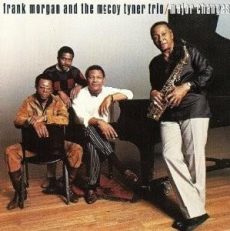
During the five years I lived in Cincinnati, Ohio, Everybody’s Records was a favorite shop I regularly visited. It was there that I heard Major Changes (Contemporary Records C-14039) by Frank Morgan and the McCoy Tyner Trio spinning on the turntable. As I listened, memories of when I first became a jazz fan came rushing back, and I picked it up immediately. Frank was born in Minneapolis, Minnesota, and began playing the guitar at a young age. His father introduced him to Charlie Parker, who inspired him to play the clarinet at age seven. Morgan later graduated to the soprano sax, then the alto sax, which became his primary instrument. Rounding out the ensemble are McCoy Tyner on piano, Avery Sharpe on bass, and Louis Hayes on drums. My copy of the album is the 1988 U.S. stereo release.
The quartet kicks off the first side with Changes by McCoy Tyner. The pianist’s brisk introduction sets the tone for their feisty melody. McCoy takes the first bite of this jazzy apple with a high-spirited solo. Frank follows with a vigorous statement, then Avery’s vivacious interpretation guides the group back to the theme’s reprise and fadeout. Irving Berlin’s How Deep Is The Ocean starts on a deceptively slow note, with the alto sax and piano sharing a private conversation ahead of the foursome’s sprightly theme. Tyner leads the charge with a swinging opening statement. Morgan builds on this momentum with a feisty reading. Sharpe rounds out the solos with a brief presentation leading to the out-chorus and exit.
Emily is a lovely composition by Johnny Mandel and Johnny Mercer. Frank begins delicately expressing each note of the melody with heartfelt sensitivity. McCoy’s opening solo is delivered with tenderness and warmth. Frank concludes with a gentle presentation, leading to a serene and graceful finish. Search For Peace by McCoy Tyner begins with Hayes’s introduction, leading into the quartet’s theme, which moves at a bright and brisk clip. The pianist starts the opening solo with remarkable precision and vibrant enthusiasm. Sharpe and Hayes share a brief interlude, then Morgan effortlessly glides over the rhythm section, perfectly attuned to Hayes’s flawless timing, until the closing chorus fades into nothingness.
McCoy Tyner announces Frank’s Back with a smooth lead-in, segueing into the opening ensemble at medium-tempo to begin the second side. Frank sets a stellar example for the group in the first solo. McCoy follows with a charismatic interpretation, then Frank and Louis share an exchange of notes, leading back to the reprise and conclusion. Oscar Hammerstein II and Jerome Kern’s All The Things You Are opens with the saxophonist’s soothing introduction ahead of the group’s mellow theme. Morgan’s opening statement starts strong and doesn’t let go until Tyner takes his turn. The pianist launches into a taut second reading that holds the listener’s attention until Morgan returns briefly, leading to the theme’s reprise and a graceful exit.
Theme From Love Story by Francis Lai and Carl Sigman comes from the 1970 romantic drama. The rhythm section’s introduction is simultaneously delicate and inviting, leading Frank to explore the intricately beautiful melody. McCoy captures the song’s essence with lively exuberance in the opening statement. Frank then weaves a tapestryof grace and elegance before the theme resurfaces, and the quartet fades into a poignant stillness. Richard Bock produced Major Changes. Ed Rak was the engineer behind the direct-to-digital recording, and George Horn mastered this release. The album boasts a superb soundstage that envelops the listener’s sweet spot, as if they’re seated in the studio alongside the musicians.
Frank Morgan battled heroin addiction for much of his life, mirroring the path of Charlie Parker. This struggle led him to spend a significant portion of his adult years in and out of prison. However, by the mid-1980s, he managed to overcome his dependency, remaining clean for the final two decades of his life, though he continued taking methadone daily. Morgan recorded twenty-one albums as a leader and contributed to twelve more as a sideman. Despite suffering a stroke in 1998, he made a remarkable recovery and continued to perform and record music during the last nine years of his life. Toward the end of his career, Morgan successfully completed his first European tour. He passed away from complications of colorectal cancer on December 14, 2007, just nine days before his seventy-fourth birthday.
The album’s title reflects the significant shifts in Morgan’s life and music, while highlighting the extraordinary chemistry between the musicians. Whether you're a seasoned jazz aficionado or a newcomer to Morgan’s music, Major Changes by Frank Morgan and the McCoy Tyner Trio is a treasure trove of captivating tracks and stunning solos. It also serves as a delightful showcase of his talent, and I wholeheartedly recommend checking it outthe next time you’re out record-shopping!
~ All The Things You Are – Source: JazzStandards.com
~ Theme From “Love Story” – Source: Wikipedia.org
© 2025 by Edward Thomas Carter
More Posts: choice,classic,collectible,collector,history,instrumental,jazz,music,piano,saxophone
Requisites
Explorations ~ Bill Evans Trio | By Eddie Carter
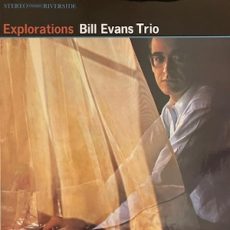
My admiration for Bill Evans runs very deep, and I have cherished the pianist’s music since childhood. This morning’s selection from my library holds a special place in my heart. It was one of my mom’s favorites during our Sunday family dinners. Explorations (Riverside RLP 351/RLP 9351) by the Bill Evans Trio is a 1961 release and one of four outstanding albums featuring Scott LaFaro on bass and Paul Motian on drums. Its timeless charm makes it an essential addition for any jazz piano lover. I could stop here, but I won’t leave you with just a small taste; instead, I’ll share the entire eight-course meal with you. My copy is no. 843 of the 2024 U.S. Craft Recordings stereo audiophile reissue (Riverside CR 00825).
Israel by John Carisi opens the album, setting the tone for the trio’s introduction and medium melody. Bill solos first with a cheerfully carefree groove. Scott adds his voice to a lighthearted reading that flows like a lovely stream. Bill returns to exchange notes with Paul before a marvelous conclusion. Haunted Heart is a gorgeous tune by Howard Dietz and Arthur Schwartz that begins with Evans’s brief, poignant introduction blossoming to the ensemble’s deeply touching theme. Bill takes center stage as the soloist, delivering each verse with grace and sensitivity, matched by Scott and Paul’s subtle support into a gentle climax.
Beautiful Love, by Haven Gillespie, Wayne King, Egbert Van Alstyne, and Victor Young, presents the trio with a delightful opportunity to pay homage to the 1930s classic at a toe-tapping beat during the melody. Bill’s respect for the original composition is evident in a joyful opening solo, followed by Scott’s inspired walk in the subsequent reading, leading to the closing chorus and exit. The trio treats Earl Zindars’s Elsa with endearing care, crafting an opening chorus that sparkles like a night on the town with that special someone. Bill guides each note of the first solo elegantly. Paul follows with a soothing and refined performance, preceding a tender reprise of the theme.
Side Two opens with an enchanting rendition of Nardis, one of Miles Davis’s prettiest compositions that Bill initially recorded with Cannonball Adderley. The trio’s pretty theme sets things in motion. Scott takes the lead with an elegant opening statement. Bill then shares his intimate, sincere thoughts in the second solo, leading to a gorgeous reprise and conclusion. The trio probes one of Irving Berlin’s loveliest questions next, How Deep Is The Ocean? They swing softly in a luscious melody. Again, the song’s only soloist, Bill’s interpretation is the epitome of grace and beauty, preceding a beautiful closing chorus that showcases their musical fluency and understanding of each other’s playing.
I Wish I Knew, by Mack Gordon and Harry Warren, is a beautiful ballad from the 1940s. The ensemble introduces it at a gentle, unhurried tempo, leading to the theme. Bill offers a serene and heartfelt interpretation that concludes in a tender finale by the trio. Sweet and Lovely by Gus Arnheim, Jules LeMare, and Harry Tobias is pure fun from start to finish. After the trio’s melody, Bill begins a solo that evolves from a quiet, spoken tone to a playful and spirited one. The pianist and drummer engage in a brief dialogue before Paul delivers a concise solo that ties everything together, leading back to the theme’s reprise and a delightful conclusion.
Orrin Keepnews was at the helm of Explorations, Bill Stoddard was the recording engineer, and Jack Matthews mastered the initial session. Bernie Grundman mastered the reissue from the original tapes. The record is pressed on 180-gram vinyl, using Neotech’s VR900 vinyl compound, and manufactured using a one-step lacquer process. The sound quality of this reissue is exceptional, offering an impressive soundstage that brings the musicians to your listening room with stunning fidelity. This limited-edition box set is 2,500 copies, each individually numbered and presented in a foil-stamped, linen-wrapped slipcase featuring an acrylic inset of the original artwork. The record is protected by an archival-quality, anti-static, non-scratching inner sleeve.
Explorations marked Bill Evans’s final studio collaboration with Scott LaFaro. He was a brilliant hard-bop bassist, admired and celebrated for his playing of uptempo tunes or ballads. His contributions brought an outstanding level of sophistication, maturity, and precision to the four albums he recorded with The Bill Evans Trio. Tragically, just ten days after the trio’s 1961 performance at the Village Vanguard, LaFaro’s life was cut short due to a car accident. This devastating loss deeply affected Evans, who withdrew from live performances and recording for several months. If you’re discovering his music or are already a Bill Evans fan, I urge you to listen to Explorations by the Bill Evans Trio at your earliest opportunity. It’s an outstanding showcase of jazz that I can’t recommend enough for your library!
~ Portrait In Jazz (Riverside RLP 12-315/RLP 1162), Portrait of Cannonball (Riverside RLP 12-269), Sunday at The Village Vanguard (Riverside RLP 376/RLP 9376), Waltz For Debby (RLP 399/RLP 9399) – Source: Discogs.com
~ How Deep Is The Ocean, Sweet and Lovely – Source: JazzStandards.com
~ Beautiful Love, Israel, Nardis – Source: Wikipedia.org
© 2025 by Edward Thomas Carter
More Posts: choice,classic,collectible,collector,history,instrumental,jazz,music,piano
Requisites
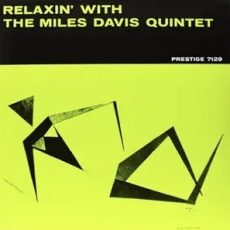
Relaxin’ With The Miles Davis Quintet ~ The Miles Davis Quintet | By Eddie Carter
In just two days in 1956, the Miles Davis Quintet recorded four remarkable albums, which are widely regarded as quintessential examples of hard bop and have endured as jazz classics over time. They fulfilled Davis’s contract with Prestige Records before moving to Columbia Records, his home for some of the most iconic music over the next thirty years. The albums are Cookin’ (1957), Workin’ (1959), Steamin’ (1961), and today’s focus, Relaxin’ With The Miles Davis Quintet (Prestige PRLP-7129), released in 1958. Miles Davis is on muted trumpet (tracks: A1 to A3, B1, B2), and trumpet (B3), John Coltrane is on tenor sax, Red Garland is on piano, Paul Chambers is on bass, and Philly Joe Jones is on drums. My copy is no. 535 of the Craft Recordings Limited Edition mono reissue (Prestige CR 00227).
The first side opener, If I Were a Bell by Frank Loesser, became a jazz standard after Davis’s rendition on this album. Miles snaps his fingers to set the rhythm ahead of the quintet’s medium-paced melody. The muted trumpet’s ideas unfold in the opening statement. John demonstrates his signature fluidity next. Red takes an energetic solo ahead of the theme’s reprise and a subtle conclusion. After two brief false starts, You’re My Everything by Mort Dixon, Harry Warren, and Joe Young begins with the quintet’s tender introduction, ahead of Miles’s delicately heartfelt melody and opening solo highlighting his more sentimental side. John executes a graceful, intimate statement, supported by the trio’s rich foundation, leading to a thoughtfully reflective finale from Davis.
The pace picks up noticeably for I Could Write a Book by Richard Rodgers and Lorenz Hart. The trio gets things started, leading to the quintet’s collective medium-fast melody. Miles takes off first with brisk, vibrant notes that set the mood. John fills the air with pure joy next, and then Red’s reading is so full of energy before the leader takes the song out, which ends abruptly. Sonny Rollins’s Oleo opens the second side with two false starts and some lighthearted studio chatter, ahead of Davis’s introduction and the quintet’s lively theme with John completing the melody. Miles goes first, delivering a spirited statement, then John soars into an energetic turn. Red concludes with an upbeat reading while Paul and Philly propel each soloist to new heights before the group’s brisk finish.
Up next is It Could Happen To You by Jimmy Van Heusen and Johnny Burke. The ensemble adopts a relaxed midtempo vibe with Miles leading the theme. He then continues with a sweet-toned first solo. John follows with a compelling statement that’s as cool as the other side of the pillow. Red brings out the liveliness in a cheerful interpretation, engaging beautifully with Paul and Philly in the subdued climax. Woody ‘n’ You by Dizzy Gillespie begins with Red’s brief introduction preceding the opening ensemble. Miles commands the lead solo with fiery passion on the open horn, paving the way for John’s high-energy performance. Davis and Jones share the song’s final moments in the closing chorus, culminating in a gentle fade. A few final words from Miles brings the jazz standard to a close.
Bob Weinstock oversaw the original session, and Rudy Van Gelder was the recording engineer. For this audiophile reissue, Mark Piro and Mason Williams took charge of production, and Bernie Grundman mastered the album from the original tapes. The record is pressed on 180-gram vinyl, using Neotech’s VR900 vinyl compound, and manufactured using a one-step lacquer process. The sound quality of this reissue is truly exceptional, offering a beautifully balanced soundstage that’s ideal for demonstration on a good mid-fi or high-end audio system. This limited-edition box set is 5,000 copies, each individually numbered and presented in a foil-stamped, linen-wrapped slipcase featuring an acrylic inset of the original artwork. The record is protected by an archival-quality, anti-static, non-scratching inner sleeve.
One of the highlights of this reissue is the inclusion of studio snippets, such as false starts and Miles’s conversations with Rudy Van Gelder. These moments offer the listener a unique sense of connection to the studio sessions, making them part of the event. On mid-fi or high-end audio systems, the tonal balance across highs, midrange, and low frequencies truly shines in a stunning soundstage. Relaxin’ With The Miles Davis Quintet is an excellent album of standards, showcasing inspired performances by every member. It’s a superb choice for enjoying at any time of the day or evening. I highly recommend it for a spot in your library, and I urge you to pick up a copy before it sells out, because you ain’t gettin’ mine!
~ Cookin’ With The Miles Davis Quintet (Prestige PRLP 7094), Steamin’ With The Miles Davis Quintet (Prestige PRLP 7200), Workin’ With The Miles Davis Quintet (Prestige PRLP 7166) – Source: Discogs.com
~ Oleo, It Could Happen To You, Woody’n You – Source: JazzStandards.com
~ If I Were A Bell, You’re My Everything, I Could Write A Book – Source: Wikipedia.org
© 2025 by Edward Thomas Carter
More Posts: choice,classic,collectible,collector,history,instrumental,jazz,music,trumpet