


The Jazz Voyager
From NOLA to the Big Apple, the Jazz Voyager is cruising at 30,000 for another jaunt into Manhattan’s theater district. Gotta love New York’s public transportation as taking the bus from LaGuardia into Harlem, getting off at 125th and Lenox and catching the #3 Express downtown to 42nd Street is a breeze. Walking a couple of blocks north up Broadway to Birdland will put me there in time for the 7:00pm show.
Tonight I have the opportunity to hear a pianist who I’ve only seen when he first hit the jazz scene and then about a decade ago. He’s a Steinway Artist and his name is Christian Sands and he has matured with time. I find it so gratifying to hear musicians who age in their playing but maintain the fire in their expressiveness.
The Band:
Christian Sands – bandleader, pianist
Ryan Sands – Drummer
Gilad Hekelsman – Guitar
Scott Colley – Bass
Cover: $40.61 ~ $50.91 | Including Fees
Birdland is located at 315 W 44th Street, #5402, New York City, NY 10036. For more information contact the venue at birdlandjazz.com.
More Posts: adventure,club,genius,jazz,museum,music,piano,preserving,travel
Daily Dose Of Jazz…
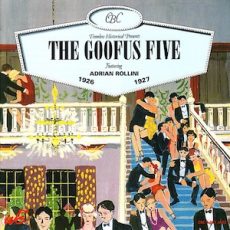
Adrian Francis Rollini was born June 28, 1903 in New York City, New York of French and Swiss extraction. Growing up in Larchmont, New York, he showed musical ability early on and began to take piano lessons at the age of two. Considered a child prodigy, he played a fifteen-minute recital at the Waldorf Astoria Hotel at the age of four. By age 14 he was leading his group composed of neighborhood boys, in which he doubled on piano and xylophone.
Leaving high school in his third year he cut piano rolls for the Aeolian company on their Mel-O-Dee label and the Republic brand in Philadelphia, Pennsyolvania. At 16 he joined Arthur Hand’s California Ramblers and being equally skilled at piano, drums, xylophone, and bass saxophone, gained him Hand’s respect. Hand transferred the band to Rollini when he retired from the music field.
During the 1920s not only was he a member of the California Ramblers with Red Nichols, Jimmy and Tommy Dorsey, he also held membership in The Little Ramblers, The Goofus Five, and The Golden Gate Orchestra. During this time, he managed to lay down hundreds of sessions with Annette Hanshaw, Cliff Edwards, Joe Venuti, Miff Mole, Red Nichols, Bix Beiderbecke, Roger Wolfe Kahn, and Frank Trumbauer.
The 1930s saw him forming the Adrian Rollini Orchestra which recorded on Perfect, Vocalion, Melotone, Banner, and Romeo labels, where he played both bass saxophone and vibraphone. During the early swing era, starting in 1935, he managed Adrian’s Tap Room, owned the Whitby Grill, and opened White Way Musical Products, a store for the sale and repair of musical instruments.
Gradually shifting from the bass saxophone to the vibraphone after popularity of the hot jazz era of the 1920s waned. He went on to play hotels, arranging and writing songs behind the scenes. After an exhaustive career, he made his last recording with his trio in the early 1950s. He relocated to Florida, opened the Eden Roc Hotel in 1955, ran the Driftwood Inn at Tavernier Key and his Driftwood offered deep-sea fishing charters.
Bass saxophonist, pianist, and vibraphonist Adrian Rollini, died under unsolved circumstances on May 15, 1956 at the age of 52 in Homestead, Florida.

More Posts: bandleader,history,instrumental,jazz,music,piano,saxophone,vibraphone
Daily Dose Of Jazz…
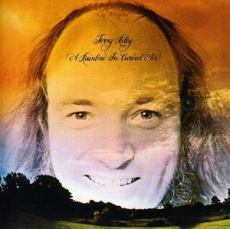
Terrence Mitchell Riley was born in Colfax, California on June 24, 1935 and grew up in Redding, California. In the 1950s, he began performing as a solo pianist and studied composition at San Francisco State University, the San Francisco Conservatory, and the University of California Berkeley, studying with Seymour Shifrin and Robert Erickson.
Befriending minimalist omposer La Monte Young, together they performed Riley’s improvisatory composition Concert for Two Pianists and Tape Recorders in 1959–60. Riley later became involved in the experimental San Francisco Tape Music Center, working with Morton Subotnick, Steve Reich, Pauline Oliveros, and Ramon Sender. Throughout the 1960s, he also traveled frequently in Europe, taking in musical influences and supporting himself by playing in piano bars. He also performed briefly with the Theatre of Eternal Music in New York in 1965-1966.
His most influential teacher was Pandit Pran Nath, a master of Indian classical voice who also taught La Monte Young, Marian Zazeela, and Michael Harrison. Riley made numerous trips to India over the course of their association to study and accompany him on tabla, tambura, and voice. In 1971 he joined the Mills College faculty to teach Indian classical music. Riley also cites John Cage and “the really great chamber music groups of John Coltrane and Miles Davis, Charles Mingus, Bill Evans, and Gil Evans as influences on his work.
His long-lasting association with the Kronos Quartet began around 1980 and throughout his career Terry composed 13 string quartets for the ensemble. in addition
Organist, pianist, saxophonist and tamburist Terry Riley, who teaches both as an Indian raga vocalist and as a solo pianist, continues to perform live.
More Posts: bandleader,history,instrumental,jazz,keyboard,music,organ,piano,saxophone,tambura
Requisites
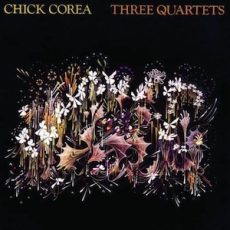
Three Quartets ~ Chick Corea | By Eddie Carter
Chick Corea embarks on a captivating exploration of jazz through the lens of Baroque, Classical, Impressionist, and Romantic traditions in Three Quartets (Warner Bros. BSK 3552). He began learning the piano at the age of four and later took up the drums by the age of eight. Corea also became proficient with other keyboards and the vibraphone. His professional career began when he performed with Mongo Santamaria in 1962. Over the years, he contributed to several landmark jazz albums and collaborated with numerous artists. He also formed several groundbreaking groups, including Circle, the Chick Corea Akoustic and Elektric Bands, Five Peace Band, Origin, The New Trio, and Return to Forever. These ensembles cemented his reputation as one of jazz’s most innovative, revered, and versatile musicians.
The pianist is joined by an ensemble of highly skilled musicians: Michael Brecker on tenor sax, Eddie Gómez on double bass, and Steve Gadd on drums. Corea not only composed but also arranged all the songs, and my copy of the album is the 1981 U.S. Stereo release. Side One gets underway with the trio’s effervescent introduction to Quartet No. 1, setting the stage for an adventurous melody powered by the foursome’s rock-inspired rhythm. Michael’s entrance amplifies the energy aggressively in the opening statement. Eddie has the spotlight next and takes an invigorating stroll, then Chick’s closing interpretation comes vibrantly alive, leaving the listener’s ears sizzling, ahead of the song’s closing moments.
Quartet No. 3 takes matters a step further in terms of character and expression. The ensemble’s introduction is slow and deliberate, gradually building momentum as the melody unfolds. Brecker opens with a bold statement that explores the edges of avant-garde jazz and post-bop. Gómez comes in for a brief interlude, then Corea delivers one of his most inventive solos. Gómez shines once more in an excellent reading before Brecker guides the quartet into the out-chorus. Quartet No. 2 (Part 1) is a ballad that’s dedicated to Duke Ellington, beginning with a lengthy piano introduction, which develops into Michael’s tender theme. Eddie starts things off with a graceful solo, then Chick makes a polite point next. Michael wraps things up with a sweet-toned delivery in the lead-up to the tranquil climax.
The closer, Quartet No. 2 (Part II), dedicated to John Coltrane, welcomes us to Gadd’s crisp introduction, which segues into the group’s upbeat theme. Corea launches into the opening statement with swift and electrifying lines. Gómez steps in next with a nimble reading. Brecker follows with a fiery performance, before Gadd steps in for a brief workout. Corea returns for a short solo, leading to a thrilling finish. Chick also wore the producer’s hat on this date, and Bernie Kirsh was behind the recording dials, as well as handling the mixing. The album possesses a superb soundstage, with no harshness in the highs, midrange, or low end, allowing the quartet to come through your speakers with a clarity that will make you feel like they are in your listening room.
Expressing what “Three Quartets” means to me is no easy task. I first encountered the album at the Record Theatre in Norwood while living in Cincinnati, Ohio. It played a crucial role in helping me navigate through a profoundly difficult period in my life. Each time I revisit it, I discover something new and extraordinary in its depths. Chick Corea received an impressive seventy-two Grammy Award nominations, and he won the award twenty-seven times. He was also honored as a Down Beat Hall of Famer and a NEA Jazz Master. On his seventy-fifth birthday, he performed alongside more than twenty groups at the Blue Note Jazz Club in Greenwich Village. Corea passed away at seventy-nine in Tampa, Florida, on February 9, 2021, due to a rare form of cancer.
If you’re a long-time fan of Chick Corea or just starting to explore the incredible body of work in his catalog, “Three Quartets” should be considered the next time you’re visiting your favorite record shop. It’s a rewarding and thought-provoking listening experience, showcasing the pianist’s exceptional artistry and the collective brilliance of his Ensemble!
© 2025 by Edward Thomas Carter
Post Script: The album video below has eight tracks, four which were recorded during the original session and were added for the cd release.
More Posts: choice,classic,collectible,collector,history,instrumental,jazz,music,piano
Requisites
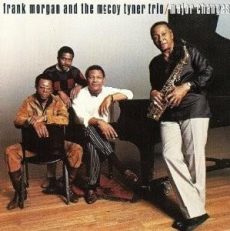
Major Changes ~ Frank Morgan and The McCoy Tyner Trio | By Eddie Carter 6.15.25
During the five years I lived in Cincinnati, Ohio, Everybody’s Records was a favorite shop I regularly visited. It was there that I heard Major Changes (Contemporary Records C-14039) by Frank Morgan and the McCoy Tyner Trio spinning on the turntable. As I listened, memories of when I first became a jazz fan came rushing back, and I picked it up immediately. Frank was born in Minneapolis, Minnesota, and began playing the guitar at a young age. His father introduced him to Charlie Parker, who inspired him to play the clarinet at age seven. Morgan later graduated to the soprano sax, then the alto sax, which became his primary instrument. Rounding out the ensemble are McCoy Tyner on piano, Avery Sharpe on bass, and Louis Hayes on drums. My copy of the album is the 1988 U.S. stereo release.
The quartet kicks off the first side with Changes by McCoy Tyner. The pianist’s brisk introduction sets the tone for their feisty melody. McCoy takes the first bite of this jazzy apple with a high-spirited solo. Frank follows with a vigorous statement, then Avery’s vivacious interpretation guides the group back to the theme’s reprise and fadeout. Irving Berlin’s How Deep Is The Ocean starts on a deceptively slow note, with the alto sax and piano sharing a private conversation ahead of the foursome’s sprightly theme. Tyner leads the charge with a swinging opening statement. Morgan builds on this momentum with a feisty reading. Sharpe rounds out the solos with a brief presentation leading to the out-chorus and exit.
Emily is a lovely composition by Johnny Mandel and Johnny Mercer. Frank begins delicately expressing each note of the melody with heartfelt sensitivity. McCoy’s opening solo is delivered with tenderness and warmth. Frank concludes with a gentle presentation, leading to a serene and graceful finish. Search For Peace by McCoy Tyner begins with Hayes’s introduction, leading into the quartet’s theme, which moves at a bright and brisk clip. The pianist starts the opening solo with remarkable precision and vibrant enthusiasm. Sharpe and Hayes share a brief interlude, then Morgan effortlessly glides over the rhythm section, perfectly attuned to Hayes’s flawless timing, until the closing chorus fades into nothingness.
McCoy Tyner announces Frank’s Back with a smooth lead-in, segueing into the opening ensemble at medium-tempo to begin the second side. Frank sets a stellar example for the group in the first solo. McCoy follows with a charismatic interpretation, then Frank and Louis share an exchange of notes, leading back to the reprise and conclusion. Oscar Hammerstein II and Jerome Kern’s All The Things You Are opens with the saxophonist’s soothing introduction ahead of the group’s mellow theme. Morgan’s opening statement starts strong and doesn’t let go until Tyner takes his turn. The pianist launches into a taut second reading that holds the listener’s attention until Morgan returns briefly, leading to the theme’s reprise and a graceful exit.
Theme From Love Story by Francis Lai and Carl Sigman comes from the 1970 romantic drama. The rhythm section’s introduction is simultaneously delicate and inviting, leading Frank to explore the intricately beautiful melody. McCoy captures the song’s essence with lively exuberance in the opening statement. Frank then weaves a tapestryof grace and elegance before the theme resurfaces, and the quartet fades into a poignant stillness. Richard Bock produced Major Changes. Ed Rak was the engineer behind the direct-to-digital recording, and George Horn mastered this release. The album boasts a superb soundstage that envelops the listener’s sweet spot, as if they’re seated in the studio alongside the musicians.
Frank Morgan battled heroin addiction for much of his life, mirroring the path of Charlie Parker. This struggle led him to spend a significant portion of his adult years in and out of prison. However, by the mid-1980s, he managed to overcome his dependency, remaining clean for the final two decades of his life, though he continued taking methadone daily. Morgan recorded twenty-one albums as a leader and contributed to twelve more as a sideman. Despite suffering a stroke in 1998, he made a remarkable recovery and continued to perform and record music during the last nine years of his life. Toward the end of his career, Morgan successfully completed his first European tour. He passed away from complications of colorectal cancer on December 14, 2007, just nine days before his seventy-fourth birthday.
The album’s title reflects the significant shifts in Morgan’s life and music, while highlighting the extraordinary chemistry between the musicians. Whether you're a seasoned jazz aficionado or a newcomer to Morgan’s music, Major Changes by Frank Morgan and the McCoy Tyner Trio is a treasure trove of captivating tracks and stunning solos. It also serves as a delightful showcase of his talent, and I wholeheartedly recommend checking it outthe next time you’re out record-shopping!
~ All The Things You Are – Source: JazzStandards.com
~ Theme From “Love Story” – Source: Wikipedia.org
© 2025 by Edward Thomas Carter
More Posts: choice,classic,collectible,collector,history,instrumental,jazz,music,piano,saxophone