

Requisites
Open Sesame ~ Freddie Hubbard | By Eddie Carter
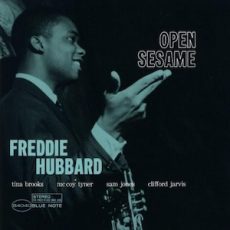
I’ve been a huge Freddie Hubbard fan since I was ten years old, and he’s always been one of my favorite trumpet players. It was while listening to a few of his albums that the inspiration for this morning’s discussion was born. Submitted for your consideration is his first release as a leader, a 1960 release, Open Sesame (Blue Note BLP4040/BST 84040). Freddie was 22 years old when he recorded it, and he’s joined by an excellent ensemble: Tina Brooks on tenor saxophone, McCoy Tyner on piano, Sam Jones on bass, and Clifford Jarvis on drums. The copy I own is the 1999 Classic Records U.S. stereo audiophile reissue sharing the original catalog number.
The title tune, Open Sesame by Tina Brooks, gets the first side off to a good start with the rhythm section’s intro to the quintet’s lively theme. Freddie launches into the first solo with vigorous zest. Tina follows him into the second statement enthusiastically, then McCoy explores the third reading at a consistently high level before the group reassembles for the closing chorus and ending. But Beautiful by Jimmy Van Heusen and Johnny Burke is a pretty ballad whose gentle melody begins with Freddie leading the group. Brooks starts the first solo gracefully, then Tyner continues with a wonderfully rich interpretation. Hubbard shares the song’s final elegant reflection, leading to the ensemble’s reprise and tender close.
Gypsy Blue by Tina Brooks is a medium blues that the quintet brings to life with an easygoing melody. Tina starts the opening solo at an unhurried pace, then Freddie takes over, giving a soulful interpretation. McCoy follows, feeding fresh ideas into the third statement, and Sam takes a carefree walk toward the ensemble’s restatement of the theme and fadeout. Tyner’s introduction sets the stage for the group’s speedy melody of All or Nothing at All by Arthur Altman and Jack Lawrence. Hubbard flies swiftly out of the gate first, then Brooks swings to perfection next. Tyner follows with a spirited statement, and Hubbard and Jarvis share a short exchange preceding the group’s return to the theme.
The trio’s bluesy introduction segues to the ensemble’s relaxed theme, One Mint Julep by Rudolph Toombs. Tina opens with a laid-back swing as comfortable as a favorite outfit. Freddie follows, demonstrating great poise and precision in every note. McCoy then steps into the spotlight for a few easy, flowing lines before the theme returns and the song fades out. The closer is a toe-tapper original by Freddie Hubbard, Hub’s Nub. After the sextet establishes the theme, Freddie takes the lead and constructs a joyous interpretation. Tina is right on his heels with a sprightly statement, and McCoy gets the last word before the theme’s reprise and fadeout.
The original session was produced by Alfred Lion, with Rudy Van Gelder at the controls. The Classic Records audiophile edition was expertly remastered by Bernie Grundman, delivering exceptional audio quality and an outstanding soundstage that places the musicians right in your listening room. Pressed on 180-gram vinyl, the record is perfectly quiet until the music fills the room. Fans of Freddie Hubbard’s Blue Note releases will find this album essential for their library. Open Sesame is a remarkable showcase of musicianship, and this album marks the beginning of a remarkable career. It’s also a title I’m proud to own and wholeheartedly recommend for your shelves!
~ But Beautiful – Source: JazzStandards.com ~ All or Nothing at All – Source: Wikipedia.org © 2026 by Edward Thomas Carter

More Posts: choice,classic,collectible,collector,history,instrumental,jazz,music,trumpet
Requisites
Step Lightly ~ Blue Mitchell | By Eddie Carter
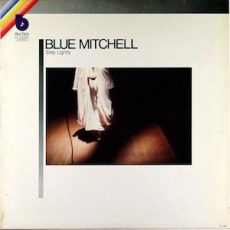
In this morning’s discussion, trumpeter Blue Mitchell takes center stage with an underrated, yet delightful album. Step Lightly (Blue Note Classic LT-1082) was his debut on Blue Note, but his ninth recording session as a bandleader. It was initially recorded in 1963. But the album remained unreleased in the United States until seventeen years later. I first heard him on “Blowin’ The Blues Away,” by Horace Silver, “Open House,” and “Plain Talk” by Jimmy Smith, and “Steppin’ Out,” by Harold Vick. For his first effort, Mitchell is joined by an all-star cast: Leo Wright on alto saxphone (tracks: A1 to A3, B1, B3), Joe Henderson on tenor sax (tracks: A1, A2, B1 to B3), Herbie Hancock on piano, Gene Taylor on bass, and Roy Brooks on drums. The copy I own is the 1980 U.S. stereo release.
Side One gets underway with Mamacita by Joe Henderson, which first appeared on Kenny Dorham’s “Trompeta Toccata” in 1965. The sextet’s infectious bossa nova melody sets the tone for Blue to swing straight ahead in the lead solo. Leo follows with a sparkling statement, then Joe emerges to give a buoyant reading. Herbie steps up last for a short interpretation before the ensemble reconvenes for the closing chorus. Sweet and Lovely by Gus Arnheim, Jules Lemare and Harry Tobias slows the tempo down for the trio’s lovely introduction ahead of the group’s theme. Mitchell opens with a warm and sensitive statement. Wright compliments him gracefully next, and Henderson beautifully embraces the third reading. Hancock finishes with a delicately gentle interpretation preceding the group’s romantic reprise and ending.
Andrea, by Roger Boykin, closes out the first side with a catchy mid-tempo melody by the sextet. Blue is up first and leads the way with a charming interpretation. Leo takes over next with an attractive tone that’s very pleasing, then Herbie has a well-executed reading before the theme’s restatement and soft climax. Side Two kicks off with Joe Henderson’s Step Lightly which Blue would record again on 1965’s “The Thing To Do.” The group’s relaxed vibe on the theme sets things in motion for Mitchell’s breezy opening solo. Henderson follows with a soulful statement, and Wright is as smooth as silk in the third reading. Hancock wraps up everything with an easygoing interpretation leading to the ensemble’s closing theme and fade-out.
Cry Me a River by Arthur Hamilton comes to life with the ensemble’s poignantly sensitive theme. Blue starts the solos by pouring pure sincerity into every note from his trumpet. Joe comes in next and delivers an equally touching interpretation, then Herbie ends with a thoughtful statement before the group’s return to take the song out softly. The sextet ends the album on an upbeat note with a trip to Bluesville by Sonny Red Kyner. Mitchell lets his trumpet do the talking in the first of two infectious interpretations. Henderson comes right behind him and turns in one of his best solos on the album. Mitchell returns to ride the medium groove to a satisfying conclusion before the ensemble’s theme returns, and they take it out.
Alfred Lion produced the original recording session, and Rudy Van Gelder operated the recording console. Michael Cuscuna produced the album for release. The reissue’s sound quality is first-rate, bringing the musicians into your listening room to perform with stunning fidelity. Blue Mitchell recorded twenty-eight albums as a leader and contributed to an extensive discography as a sideman. He worked with Horace Silver from 1958 to 1964. After Silver disbanded the quintet, he formed a group featuring a few of the members. He also performed with John Mayall, Louie Bellson, Bill Holman, and Bill Berry, and eventually became the main soloist for Tony Bennett and Lena Horne. His last group was a quintet co-led with Harold Land until he passed away from cancer at age 49 on May 21, 1979.
If you’re a fan of jazz trumpet and in the mood for an excellent hard bop album, I offer for your consideration, Step Lightly by Blue Mitchell on your next record store visit. It’s a terrific release by a musician deserving of greater recognition, with tight musicianship and exceptional performances that are definitely worth exploring for a spot in your jazz library!
~ Blowin’ The Blues Away (Blue Note BLP 4017/BST 84017), Open House (Blue Note BLP 4269/BST 84269), Plain ~ Talk (Blue Note BST 84296), Steppin’ Out (Blue Note BLP 4138/BST 84138), The Thing To Do (Blue Note BLP4178/BST 84178), Trompeta Toccata (Blue Note BLP 4181/BST 84181) – Source: Discogs.com ~ Sweet and Lovely – Source: JazzStandards.com ~ Cry Me a River – Wikipedia.org © 2026 by Edward Thomas Carter
More Posts: choice,classic,collectible,collector,history,instrumental,jazz,music,trumpet
Requisites
Tom Cat ~ Lee Morgan | By Eddie Carter
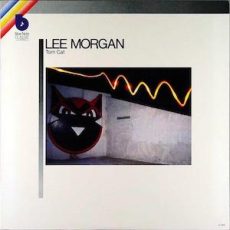
Submitted for your approval this morning is a Lee Morgan album that many may not be familiar with. Tom Cat (Blue Note Classic LT-1058) is an excellent hard bop album originally recorded in 1964. However, its release was postponed because “The Sidewinder” achieved tremendous success for both the trumpeter and the label. “Search For The New Land,” another superb 1964 session, was released two years later, but Tom Cat remained unreleased until sixteen years after it was recorded. Curtis Fuller on trombone; Jackie McLean on alto saxophone; McCoy Tyner on piano; Bob Cranshaw on bass; and Art Blakey on drums complete the sextet. The copy I own is the 1980 U.S. stereo release.
The album opener is the title tune, Tom Cat, by Lee Morgan. The trio’s introduction strolls in like a cat entering a room ahead of the sextet’s easygoing melody. Lee definitely gets his message across to the listener in the lead solo. Jackie finds common ground in the second reading. Curtis follows with a mellow swing next, then McCoy is as good as it gets in the closer preceding the theme’s reprise and fadeout. Lee’s Exotique begins with a mysterious modal introduction that blossoms into the ensemble’s lively theme. Morgan leads off with an exciting opening solo, then McLean steps in to deliver a spirited statement. Fuller responds to the cooking intensity next, then Tyner follows with a concise comment. Lee adds a few more thoughts, and Blakey gets the last word before the closing chorus dissolves into nothingness.
Twice Around by Lee Morgan opens with the quintet’s introduction slowly, then picks up pace rapidly for the ensemble’s brisk theme. Curtis steps out first on this uptempo cooker, then Jackie opens it up further with a robust reading. Lee takes care of business in the first of two scintillating statements. McCoy follows him with a swift solo, then Lee returns to wail briefly. Art sails in last for a short workout, leading to the theme’s restatement and finale. Twilight Mist is a beautiful, tender ballad by McCoy Tyner. The pianist opens the song with a gentle introduction before Morgan leads the group through the lovely melody. The trumpeter approaches the opening statement elegantly, then steps aside for Tyner’s haunting interpretation ahead of the return to the theme and a gorgeous ending.
Rigormortis by Lee Morgan takes us home on an upbeat note with the sextet’s brisk theme led by the front line. Lee sets things in motion with an invigorating solo. Jackie finds his groove with a few swinging ideas next. Curtis scores a bullseye in the following reading, and McCoy is on target in a lively short statement. Lee and Art build an effective climax, bouncing ideas off each other, leading to the closing chorus. Alfred Lion produced Tom Cat, and Rudy Van Gelder managed the recording console. The album’s sound quality is excellent, with an outstanding soundstage that lets the musicians deliver a private studio session in the listener’s listening room.
If you’ve had a long day or week and are in the mood to unwind with an exceptional, hard bop album, I invite you to discover Tom Cat by Lee Morgan on your next visit to your favorite record shop. Lee and an extraordinary lineup deliver 41 minutes of enjoyable music that’s impossible to listen to without your fingers snapping and your toes tapping. Though lesser known and overlooked in Morgan’s discography, Tom Cat is an excellent release that should easily earn its place in any jazz library!
~ Search For The New Land (Blue Note BLP 4169/BST 84169), The Sidewinder (Blue Note BLP 4157/BST 84157) – Source: Discogs.com © 2026 by Edward Thomas Carter
More Posts: choice,classic,collectible,collector,history,instrumental,jazz,music,trumpet
Requisites
Yardbird Suite ~ Frank Morgan Quartet | By Eddie Carter
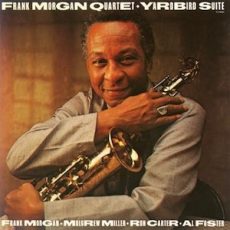
A few evenings ago, I spent the time listening to a few saxophonist albums, and one in particular inspired thismorning’s discussion. I first heard Yardbird Suite (Contemporary Records C-14045) by the Frank Morgan Quartet on WNOP 740 AM, Cincinnati, Ohio’s then jazz station, when I lived there, and I forgot what an entertaining record it was. Recorded and released in 1988, it was my introduction to alto saxophonist Frank Morgan and was his seventh as a leader. On this homage to both bebop and Charlie Parker, Morgan is joined by an outstanding supporting cast: Mulgrew Miller on piano; Ron Carter on bass; and Al Foster on drums. The copy I own is the original U.S. Stereo Release.
The album opener is the title tune, Yardbird Suite by Charlie Parker. Mulgrew’s happy introduction sets the stage for the quartet’s lively melody. Frank opens with a splendid study of soulful improvisation, then Mulgrew relishes every moment of the following statement. Ron takes a short walk through the third reading, and Frank and Al share a brief conversation ahead of the group’s reprise and dead stop. The group maintains its swinging momentum with Night In Tunisia by Dizzy Gillespie and Frank Paparelli. Morgan takes the lead with a spirited solo, then Miller responds with a sizzling interpretation propelled by Carter and Foster into the theme’s restatement and soft summation.
Billie’s Bounce by Charlie Parker is taken at a medium pace and affords everyone solo space. The trio introduces the song, segueing into Frank's melody. Mulgrew leads the way with a vibrant performance. Frank soars joyously into the second solo, then Ron walks with spirit and vitality next. Frank and Al engage in a short exchange of ideas before the foursome’s closing chorus takes it out. Side Two opens with Star Eyes by Gene de Paul and Don Raye. The trio’s warmth and charm in their introduction lead to Morgan’s relaxed, mellow melody. He continues building the opening solo smoothly. Miller develops the following reading with finesse before the song concludes on an uplifting note.
The beat moves upward for Scrapple From The Apple by Charlie Parker, with the rhythm section’s introduction to Frank’s spirited theme. He then launches into the opening solo aggressively. Mulgrew takes over and hits an ideal groove in the following reading, then both soloists share a scintillating dialogue of musical ideas before the theme returns and the song ends. Skylark by Hoagy Carmichael and Johnny Mercer is one of the few songs Parker didn’t record during his lifetime. The quartet pays homage to the standard, beginning with the trio’s tender introduction to Morgan’s gorgeous melody. As the song’s only soloist, he creates an elegantly thoughtful interpretation ahead of the theme’s gentle reprise and close.
Orrin Keepnews produced Yardbird Suite, and Danny Kopelson was behind the recording console for this session. George Horn mastered the album, and it was recorded to and mastered from digital tape, using the Mitsubishi X-80 digital tape recorder. The album’s sound quality is superb, placing the musicians in the sweet spot of your listening room with a tremendous soundstage across the highs, midrange, and low end. If you’re in the mood for bop and are a fan of the alto saxophone, I invite you to check out Yardbird Suite by the Frank Morgan Quartet on your next record store visit. It’s an enjoyable album of great music by one of the jazz saxophonists, in my opinion, deserving of greater recognition!
~ Skylark, Star Eyes – Source: JazzStandards.com
© 2026 by Edward Thomas Carter
More Posts: choice,classic,collectible,collector,history,instrumental,jazz,music,saxophone
Requisites
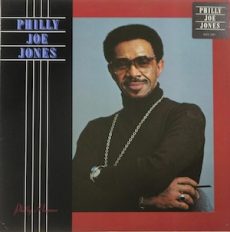
Philly Mignon ~ Philly Joe Jones | By Eddie Carter
This morning’s album from my library is a hidden gem led by the talented drummer Philly Joe Jones. He brings together an outstanding group on his 1978 release, Philly Mignon (Galaxy GXY 5112). My first introduction to Jones’s artistry was through his work on Miles Davis’s four Prestige quintet records, where his impeccable timekeeping really stood out to me. The ensemble includes Nat Adderley on cornet (tracks: A1, B1, B3), Dexter Gordon (tracks: A2, B2), and Ira Sullivan (tracks: A1, B3), on tenor saxophone, (track: B1) on soprano saxophone, George Cables (tracks: A1, A2, B2, B3) on piano, and Ron Carter on bass. The copy I own is the original 1978 U.S. Stereo pressing!
The album opens with a spirited rendition of Confirmation by Charlie Parker. Philly’s introduction kicks things off ahead of the lively theme led by Ira. George has the first solo and drives vigorously. Nat takes over, fueling the second statement with a brassy bite. Ira comes in next, riding hard on a robust reading, then the front line gives Philly space for a robust workout before the group’s theme reprise takes things out. Neptunis by Benny Bailey sets an easy tempo from the start of Dexter and George’s introduction that develops into the melody. The saxophonist leads the soloing with a relaxing joyride. George follows, each chorus unfolding efficiently and smoothly. Dexter and Philly share the spotlight briefly before the drummer has the last word and the foursome wraps up.
Jim’s Jewel by Charles Bowen Jr. is a completely different animal, with Nat and Ira featured in a piano-less foursome. Ron introduces the song, segueing into the front line’s theme, propelled by Philly’s drums. Nat’s first solo is particularly compelling. Ira follows with a soprano sax reading that will move the listener to sit up and take notice. Philly enters the spotlight last with a concise comment before the closing chorus and the group’s exit. Polka Dots and Moonbeams by Jimmy Van Heusen and Johnny Burke is up next. Dexter’s spoken introduction of the opening lyrics blossoms into his saxophone, continuing the tender melody. The trio provides an elegantly lush foundation for Dexter’s delicately tender first solo. George follows with a lovely reading leading to the gorgeous closing chorus and the soft ending.
United Blues by Ron Carter is an upbeat tune that brings Nat and Ira back for the album’s closer. Philly’s short introduction kicks things off ahead of the quintet’s theme. Nat is up first with a spirited statement, then Ira grabs the second spot, back on tenor sax and hooks you from the start. George strolls in next for a short stay, and Philly does a great deal in a short time before the reprise of the melody finishes on a good note. Ed Michel produced Philly Mignon, while Baker Bigsby and Wally Buck managed the recording console. David Turner handled the album’s mastering, and the sound quality is exceptional. The stereo presentation is vivid, the horns truly sparkle, and the bass sounds full and resonant. It’s also an excellent pressing, and the record is dead silent until the music starts.
Philly Joe Jones led 16 albums and contributed as a sideman to a wide array of exceptional recordings, making his discography one of the most impressive in jazz history. Whether you’re passionate about jazz drumming or curious to explore Jones’s artistry, I highly recommend checking out his album Philly Mignon by Philly Joe Jones during your next visit to the record store. This release offers a delightful listening experience for jazz lovers at any hour, appealing even to the most discerning musical tastes. Just a word of caution, though, once you start listening, you may find yourself completely captivated!
~ Cookin’ With The Miles Davis Quintet (Prestige PRLP 7094), Relaxin’ With The Miles Davis Quintet (Prestige PRLP 7129), Steamin’ With The Miles Davis Quintet (Prestige PRLP 7200), Workin’ With The Miles Davis Quintet (Prestige PRLP 7166) – Source: Discogs.com
~ Polka Dots and Moonbeams – Source: JazzStandards.com © 2026 by Edward Thomas Carter
More Posts: choice,classic,collectible,collector,drums,history,instrumental,jazz,music