

Requisites
Overseas ~ Tommy Flanagan Trio | By Eddie Carter
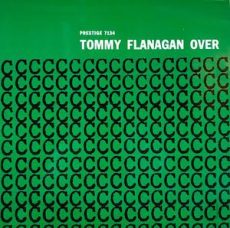
Tommy Flanagan steps into the spotlight of this morning’s discussion with Overseas (Prestige PRLP 7134/PRST 7632), recorded during his 1957 tour with J.J. Johnson and released the following year. The pianist works with Wilbur Little on bass and Elvin Jones on drums on this album. My copy is the 2012 Analogue Productions US Mono audiophile reissue sharing the original catalog number. The album starts quickly with Relaxing at Camarillo by Charlie Parker. It was named for Bird’s six-month stay at Camarillo State Hospital, where he recuperated from drug addiction. Tommy takes off on the opening solo briskly. Wilbur’s bass walks lively on the next reading, then Elvin caps off the closing presentation, exchanging exquisite brushwork with Tommy ahead of the theme reprise and climax.
Chelsea Bridge by Billy Strayhorn is one of his best-loved compositions. Flanagan is the single soloist, and the pianist gives a gorgeous interpretation emphasizing his light touch. Eclypso, Flanagan’s first of six originals, has a Caribbean-flavored rhythm on the melody and closing chorus. Tommy offers a cheerfully bright mood in the opening solo, and Elvin shares an exuberant exchange with Flanagan before the song fades gracefully. Tommy’s tune Beat’s Up featuring him and Jones in two spirited interpretations with short interludes by Little that spices things up nicely. Skål Brothers is a concise midtempo blues by Flanagan, who cruises leisurely on the opening chorus and ending theme anchored by the relaxing foundation Wilbur and Elvin provide.
Little Rock opens Side Two with a delightful statement by Little. Flanagan and Jones join him; the pianist serves up some down-home cooking on a delicious performance. Wilbur delivers a tasty reading which walks firmly into the finale by Elvin, who adds a scrumptious dessert on the drums. Flanagan’s Verdandi brings the trio back to uptempo with an electrifying opening solo by Tommy and a fiery showcase for Elvin, who gives a virtuoso demonstration before the trio’s finale. Delarna is dedicated to the province in central Sweden, known for its breathtaking landscape. The trio opens with a beautiful melody that starts at a slow tempo but moves upward for Flanagan’s execution of a solo of extraordinary beauty into a gentle climax.
Willow Weep For Me comes from the pen of Ann Ronell, who also composed the lyrics. The jazz standard opens with a quiet demeanor collectively followed by a passionate performance by Tommy, and Wilbur takes us toward the album’s climax with a profoundly affecting presentation. Overseas began his forty-five-year career as one of the most respected and revered jazz musicians. The recording engineer was Gösta Wilholm, and Kevin Gray remastered the album. The sound quality of this Mono reissue is demonstration class with a superb soundstage that places the trio in your listening room with stunning definition. For anyone who’s a fan of this remarkable pianist, I invite you to treat yourself to Overseas by The Tommy Flanagan Trio on your next vinyl search. It’s a forty-minute trip that requires no luggage, passports, or plane tickets, just a turntable, stereo system, and your favorite drink to enjoy while you listen!
~ Chelsea Bridge, Relaxing At Camarillo, Willow Weep For Me – Source: JazzStandards.com ~ Tommy Flanagan – Source: Wikipedia.org © 2023 by Edward Thomas Carter

More Posts: choice,classic,collectible,collector,history,instrumental,jazz,music,piano
Requisites
Dark Beauty ~ Kenny Drew Trio | By Eddie Carter
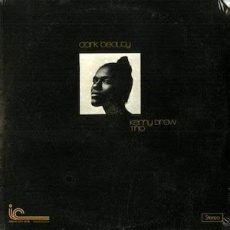
It had been a long while since I heard this morning’s album by The Kenny Drew Trio. I put the record on my turntable and listened to it while reading a few nights ago, which inspired this week’s discussion. Dark Beauty (SteepleChase Records SCS-1016) is the first of two trio dates featuring Kenny Drew on piano, Niels-Henning Ørsted Pedersen on bass, and Albert “Tootie” Heath on drums. Both were recorded in the same sessions over two days in May, and this release hit the stores in 1974. The companion album, If You Could See Me Now, came out a year later. My copy is the 1976 SteepleChase Series US Stereo reissue (Inner City Records IC 2016).
Side One leads off with Run Away by Danish flutist and saxophonist Per Carsten. The trio begins the introduction and melody, then Kenny starts things with a festive opening solo. Niels-Henning makes a stunning impression on the following reading, and Albert has a brief comment leading to the group’s rousing closing chorus. The title tune, Dark Beauty by Kenny Drew, is one of his most beautiful compositions. Drew and Pedersen open the ballad with gentle cascades on the piano and a gorgeous bowed solo in the introduction, central theme, and closing chorus, which weaves a haunting spell. In between, the pianist gives an intimately tender interpretation matched by the softness of the bassist and drummer’s accompaniment.
The group’s first of four jazz standards is Summer Nights by Harry Warren and Al Dubin. It opens with an elegantly constructed introduction by Niels-Henning; next, Kenny and Albert enter to complete the nostalgically dreamy melody. Drew caresses the song’s lyrics with sensuous beauty in his playing of the only statement into the ending theme and gentle climax. All Blues by Miles Davis closes the first side. Drew and the rhythm section get things underway with an energetically charged melody, and the opening statement by Kenny is hotter than fireworks in July. The closing interpretation allows Heath’s drums a brisk workout while Pedersen’s bass keeps the beat flowing ahead of the song’s lively conclusion.
Side Two starts with It Could Happen To You by Jimmy Van Heusen and Johnny Burke. Kenny introduces the jazz standard slowly and then moves up the tempo to a brisk melody and first interpretation. Albert engages in a zesty exchange with the leader preceding the theme’s reprise and exit. Love Letters by Victor Young and Edward Heyman is up next. This song is featured in the 1945 film of the same name, and the ensemble’s rendition begins with a gorgeous introduction by Niels-Henning and Kenny. The pianist has the first say and turns the tempo up for the opening statement. Pedersen takes his first opportunity to solo with an extensive presentation that flows into the trio’s closing chorus and finish.
Silk Bossa comes from the pen of Danish pianist Thomas Clausen, and Niels-Henning sets the mood with a solo introduction that grows into a pleasant melody by Kenny. The rhythm section lays a lush foundation for the pianist to present a delicately expressed statement. Pedersen ends the way he began with an unaccompanied bowed solo which ends softly. The album ends with Blues Inn by Kenny Drew, which starts with the trio swinging at an easy beat during the melody, giving way to Drew’s charming opening statement. Pedersen is equally adept in the dazzling display that follows; then, Heath carries on a concise conversation with Drew in the finale ahead of the theme’s reprise and fade out.
Nils Winther produced the initial session, and Freddy Hansson was the recording engineer. The music on Dark Beauty is as lovely as the young woman in the front cover photo, Kenny’s daughter, Sabrina. This reissue’s sound quality is excellent, with an outstanding soundstage that transports the trio to the sweet spot in your listening room with superb definition. If you are a fan of Kenny Drew and enjoy jazz piano trios, I invite you to consider Dark Beauty by The Kenny Drew Trio on your next vinyl shopping trip. It’s an excellent trio album that is perfect for late-night listening and highly recommended for a spot in your library!
~ If You Could See Me Now (SteepleChase Records SCS-1034) – Source: Discogs.com ~ All Blues, It Could Happen To You, Summer Nights – Source: JazzStandards.com ~ Love Letters – Source: Wikipedia.org © 2023 by Edward Thomas Carter
More Posts: choice,classic,collectible,collector,history,instrumental,jazz,music,piano
Requisites
Gettin’ Together ~ Paul Gonsalves | By Eddie Carter
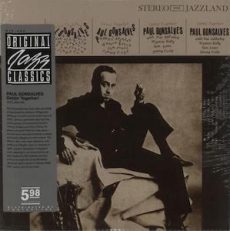
I confess to a fondness of the tenor saxophone among my favorite Jazz instruments. Gettin’ Together (Jazzland JLP 36/JLPS 936S) is a 1961 release from the library for this morning’s report. Paul Gonsalves was a proficient tenor saxophonist whose sound and style stood beside Chu Berry, Don Byas, and Coleman Hawkins. Paul, however, was no imitator; he was an original pioneer who began experimenting with different tonalities years before Coltrane started conducting his tonal investigation. He’s best known for the electrifying extensive solo of twenty-seven choruses on Diminuendo and Crescendo in Blue at The Newport Jazz Festival in 1956. It immortalized him as an outstanding musician and resulted in one of the biggest-selling albums, Ellington at Newport. Here, he’s working with Nat Adderley on cornet, Wynton Kelly on piano, Sam Jones on bass, and Jimmy Cobb on drums. My copy is the 1985 Original Jazz Classics Stereo reissue (Jazzland OJC-203 – J-936).
Side One opens with Yesterdays by Jerome Kern and Otto Harbach. The rhythm section introduces the song gracefully. Gonsalves states the melody, then blends beautifully with Adderley’s muted cornet as the theme unfolds. Kelly opens at a softly enunciated swing. Adderley follows with a whispery, delicate reading exhibiting tender restraint. Gonsalves saves the best for last with two choruses of persuasive gentleness. J. & B. Blues by Joe Livramento turns the temperature upward with a speedy opening chorus. Paul starts with an energetic interpretation. Nat unleashes high-octane virtuosity in the following reading, and Kelly cooks on a passionately swift statement. Cobb blazes through the closer, standing out like a beacon with confident brilliance revealing the marvelous interaction he shares between Gonsalves and Adderley, who trade melodic phrases with Jimmy before the theme’s reprisal and abrupt end.
I Surrender Dear by Harry Barris and Gordon Clifford, the first of three quartet numbers, is next. Paul opens with a luxuriously fine presence. The trio joins him, providing the well-constructed foundation underneath Paul’s elegant melody and opening chorus. Kelly responds with a short, tenderly expressive reading presented with proficient taste and poetic sensibility to the incredible warmth from Jones and Cobb’s lush supplement. The first side closes with Gonsalves’ Hard Groove. A cooker launched by a fierce introduction by Cobb before the ensemble’s at a cracking pace. Gonsalves provides the concentrated heat with a scintillating opening statement. Adderley returns to the mute and sparkles on a glowingly hot reading of relentless voracity and fiery enthusiasm. Kelly follows with passionate confidence that raises the temperature for the horns, who return for a few irresistibly explosive riffs before the quintet returns to the closing theme and song’s finale.
Low Gravy, the first of two tunes by Babs Gonzales, kicks off Side Two. This blues establishes the quintet’s ability to change gears while retaining a lyrically innovative beat. The trio begins the introduction; the horns invite the listener to join this bluesy quest at a tranquil tempo. Gonsalves leads off with a firm-toned, folksy tenor solo that’s as smooth as butter on toast. Adderley returns to the open cornet and compliments the leader with some down-home cooking, an excellent display of his rhythmic subtlety and endearing depth of emotion. Kelly continues the laid-back pace on the third interpretation, capturing the character of this music very well with a groovy lick and phrasing so clear it’s velvety soft, and rhythmically moving. Jones ends the solos with an alluring, innately graceful performance in the song’s final statement that concludes with a sensuously moving ending.
I Cover The Waterfront by Johnny Green, and Edward Heyman shows off Gonsalves in one of his favorite tunes to play. This evergreen begins with a cascading flow of notes from Kelly’s piano ahead of a peerless display of sensitivity in Paul’s melody and soothing lead solo. Kelly gives an elegantly tasteful reading that relishes the song’s characteristic beauty. The title tune, Gettin’ Together, by Babs Gonzales, returns the quintet to a lively beat and opens with a memorable melody by the ensemble. Adderley solos first on the open cornet and is most robustly resourceful on the crisp, biting opening statement. Kelly skillfully makes a pertinent comment about unrestrained excitement in the following reading. Gonsalves peppers the closing statement with lively choruses of strength and assurance that meticulously soar over the rhythm section.
The album’s closer is Walkin’, by Richard Carpenter, best known as one half of the sibling Pop Vocal duo The Carpenters. The quartet opens with an aggressive introduction to get this speedy ride started. Gonsalves launches the solos with a blisteringly hot reading, steering an excellent course for Kelly to follow. He continues to surprise with a vigorously spicy presentation. Cobb also gets a chance to stretch out on the closing statement with an impeccably resilient sense of time before the theme’s return and Cobb’s fueling the energetic emotion of the quartet to the sudden finale. Gettin’ Together by Paul Gonsalves is exceptionally presented by this talented quintet and excellently recorded by Bill Stoddard. It’s also a record I’m sure will be able to provide many hours of enjoyable listening as a handsome addition to your jazz library.
~ Ellington at Newport (Columbia CL 934/CS 8648) – Source: Discogs.com ~ Yesterdays, I Surrender Dear, I Cover The Waterfront, Walkin’ – Source:JazzStandards.com, Wikipedia.org © 2023 by Edward Thomas Carter
More Posts: choice,classic,collectible,collector,history,instrumental,jazz,music,saxophone
Requisites
That’s The Way It Is ~ Milt Jackson Quintet Featuring Ray Brown | By Eddie Carter
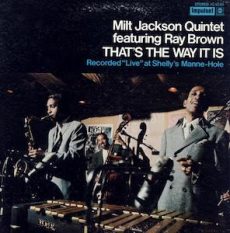
One of my favorite musicians, Milt Jackson, steps into the spotlight with a live date for this morning’s subject. After listening to it, I thought it would be good to discuss. That’s The Way It Is (Impulse – ABC Records AS-9189) is the first of two albums The Milt Jackson Quintet recorded in performance over two August nights at Shelly’s Manne-Hole in 1969. The companion album is Just The Way It Had To Be, and both records hit the stores a year later. Teddy Edwards on tenor sax, Monty Alexander on piano, Ray Brown on bass, and Dick Berk on drums complete the ensemble. My copy is the original 1970 US Stereo release.
The quintet begins its set with Frankie and Johnny. Monty begins the introduction, then steps aside for Ray, who provides the first two choruses of the melody. Teddy is up first and swings nicely on the opening solo; next, Milt speaks with the sweetest of sounds. Monty compliments his colleagues with ease before Ray’s theme reprise and soft ending. Here’s That Rainy Day by Johnny Burke and Jimmy Van Heusen is a quartet feature for Milt and the rhythm section. It begins with a tender dialogue between Jackson and Alexander that grows into the quartet’s pretty theme. Milt combines tenderness and warmth in the song’s only solo for one of his most profoundly moving and lyrical performances preceding the gentle climax.
Wheelin’ and Dealin’ by Teddy Edwards takes off quickly from Monty’s introduction. Teddy picks up the pace for a quick run through the theme and brisk opening chorus. Milt swings into an enthusiastic interpretation, then Monty neatly summarizes the solos with an exhilarating turn leading to the ensemble’s speedy finish. Side Two starts with a Ray Brown creation, Blues In The Bassment. The bassist begins the song with a tasteful introduction that blossoms into a two-instrument melody with Berk. Edwards steps up first to deliver a delightful feast for the ears on the lead reading. Jackson unfolds an inspired presentation next, and Alexander adds a fitting summation that proceeds to the closing chorus and subtle ending.
Up next is Tenderly, by Walter Gross and Jack Lawrence. Ray is the featured musician in this quartet performance. He begins with an extended introduction and the first of two gorgeous readings, and Milt takes a brief moment to shine delicately in a short statement. Ray concludes his second solo with a sensuously beautiful interpretation culminating with the audience’s ovation. The evening ends with the title tune, That’s The Way It Is, by Monty Alexander. This soulful blues begins with Monty’s succulent introduction and segues into the ensemble’s collective theme. Jackson, Edwards, and Alexander provide three soul food dishes with band introductions by Milt, who also thanks the audience before they wrap it up.
Ed Michel produced both That’s The Way It Is and its companion album, Just The Way It Had To Be. Wally Heider was the recording engineer for both nights. The album’s sound quality is quite good, with a ‘you are there’ feel. The musicians are in fine form throughout, and the addition of Ray Brown makes this date a fantastic live session to listen to and enjoy. If you are a fan of Milt Jackson, I invite you to check out, That’s The Way It Is by The Milt Jackson Quintet Featuring Ray Brown. The album is an enjoyable listening experience and is worth considering for your library the next time you’re out vinyl shopping!
~ Just The Way It Had To Be (Impulse – ABC Records AS-9230) – Source: Discogs.com ~ Here’s That Rainy Day, Tenderly – Source: JazzStandards.com © 2023 by Edward Thomas Carter
More Posts: classic,collectible,collector,history,instrumental,jazz,music,vibraphone
Requisites
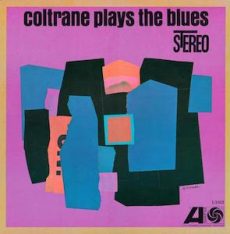
Coltrane Plays The Blues ~ John Coltrane | By Eddie Carter
The weather outside is cold, dreary, and rainy, with a thick and impenetrable fog enveloping the area, making it a perfect day to enjoy the blues. Submitted for your consideration from the library is Coltrane Plays The Blues (Atlantic 1382/SD 1382) by John Coltrane. It’s a quartet date that hit the stores in 1962 but was initially recorded at the 1960 session that produced My Favorite Things and perfectly fit the bill for this morning’s discussion. The ensemble is John Coltrane on soprano sax (tracks: A2, B2) and tenor sax (A1, A3, B1, B3), McCoy Tyner on piano (A1, B1 to B3), Steve Davis on bass, and Elvin Jones on drums. My copy is the 1972 Japanese Stereo reissue (Atlantic P-7504A) by Warner-Pioneer Corporation.
Side One starts with Blues To Elvin by Elvin Jones, a tasty dish of soul food that McCoy and the rhythm section begin making the listener feel at home in the introduction. John serves the song’s appetizing melody and prepares a luscious main meal in the opening statement. McCoy enters next with a delicious interpretation, then John’s final course is a succulent dessert made all the more delectable by the trio’s supplement. Blues To Bechet, written for Sidney Bechet, is the first of five by John Coltrane, placing the leader on soprano sax, backed by just Davis and Jones. The threesome opens with a relaxing melody. Coltrane begins the song’s only solo with an easy swing that blossoms into one of his most innovative improvisations preceding a soft climax.
The pace quickens for the first side finale, Blues To You. John’s back on tenor and backed again by Steve and Elvin for this fast-paced tune. Coltrane grabs you from the get-go and doesn’t let go until his brief exchange with Elvin leads the listener into the climax. Side Two begins with the quartet back in complete form for his third original, Mr. Day. Davis and Jones set the groove in motion, segueing into Coltrane leading the charge on the melody. The leader continues to wail on an energetic opening statement. Tyner takes the listener on an exuberant joyride in the second interpretation. Coltrane adds an incredibly satisfying exclamation ahead of the theme’s reprise, and Davis closes the song as he began.
Mr. Syms slows the pace down for the quartet to take it easy during the opening and ending theme with John back on soprano sax. In between, McCoy has the solo spotlight and finds a comfortable groove that builds to a perfect climax. The foursome closes the album with Mr. Knight, an easy-flowing tune that displays an interesting mixture of African and West Indian music in its structure. After the group establishes the melody, Coltrane draws the listener to a few fascinating elements in the first reading. Tyner takes the reins next and makes a compelling point that paces well against the rhythm section preceding Coltrane’s reprise of the theme and the rhythm section’s slow disappearance into nothingness.
Nesuhi Ertegün supervised Coltrane Plays The Blues, and Tom Dowd was the recording engineer. The sound quality is splendid, with a clean, crisp, well-balanced soundstage. If you’re a fan of John Coltrane and in the mood, for an album to enjoy at the end of a long day or week, I invite you to check out Coltrane Plays The Blues on your next vinyl shopping trip. It’s an enticing invitation to explore and enjoy an overlooked but fascinating album that shows his lyrical side and is well worth the price of admission for a spot in your library!
~ My Favorite Things (Atlantic 1361/SD 1361) – Source: Discogs.com © 2023 by Edward Thomas Carter
More Posts: choice,classic,collectible,collector,history,instrumental,jazz,music,saxophone