

Requisites
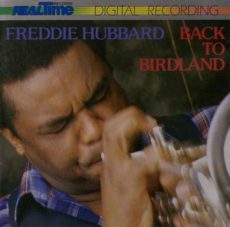
Trumpet and flugelhorn jazzman Freddie Hubbard steps into the spotlight with his first Hard-Bop album since his 1970 CTI Records debut, Red Clay. Back To Birdland (M & K Realtime Records RT-305) has Hubbard leading a sextet featuring Ashley Alexander (tracks: A1, A2, B1 to B3) on double trombone; Richie Cole (tracks: A1 to A3, B1), Med Flory (track: B3) on alto sax; George Cables on piano; Andy Simpkins on bass and John Dentz on drums. Before this release, Freddie recorded a series of LP’s for CTI and Columbia exploring the styles of Jazz-Funk, Jazz Fusion, Smooth Jazz, and Soul-Jazz.
My copy used in this report is the original 1981 US Digital Stereo Audiophile release. Shaw ‘Nuff by Dizzy Gillespie and Charlie Parker begins the album with the front-line blowing fire on the melody. Freddie starts wailing on a hard-driving, opening chorus, then Richie energizes the second solo with the high-voltage current. Ashley brings a swift, brassy attitude to the next reading, then George’s fingers fly with quicksilver speed and John fills the closer with radiant intensity.
Star Eyes by Gene de Paul and Don Raye debuted in the 1943 musical-comedy, I Dood It! The song became a jazz standard after Charlie Parker recorded it for Mercury Records in 1951. The ensemble states the first chorus, then Hubbard takes over on flugelhorn for the next verse. He begins the first solo, conveying a light mood that’s joyously happy and relaxed. Cole takes over in low gear, then builds steadily into a very satisfying groove. Cables puts a vibrant personality into the third statement and Vinnegar wraps up things with a succinct solo. Lover Man is a revered standard from 1941 by Jimmy Davis, Roger Ramirez, and Jimmy Sherman that was written for Billie Holiday. Richie Cole gets the spotlight here and crafts an indelible portrait on the melody and opening statement capturing the beauty of the lyrics perfectly. Freddie has a stylish flugelhorn performance that’s nicely detailed and beautifully paced; he’s also featured on the main theme and ending.
For B.P., a Hubbard creation is one of the most interesting tunes on the album featuring interchanges of cross-rhythms within different time signatures. This song is a tribute to Bebop pianist, Bud Powell and was introduced on the 1968 LP, High Blues Pressure. The leader takes charge of the introduction and vigorous theme, then Cables initiates the first of two thrilling solos. Hubbard follows with a sizzling performance that makes stunning use of the rhythm section’s sterling support. Cables then prepares a tasty musical brew with a spicy flavor on the finale ahead of a mesmerizing climax.
Stella By Starlight by Victor Young and Ned Washington offers Ashley Alexander the spotlight in a quartet setting. This romantic ballad was the main title song during the opening credits and throughout the 1944 film, The Uninvited. Ashley introduces the song slowly but picks up the pace to a sprightly tempo for the melody and first reading. George gives a zesty performance next, then Leroy closes with a velvety smooth finale.
Hubbard’s uptempo Byrdlike was originally recorded on the 1962 release, Ready For Freddie. Everyone gets solo space except Vinnegar and Med Flory takes over on alto, soloing twice. This speedster gets underway with a collective melody by the ensemble. Cables takes the reins first, delivering an adrenaline rush of great speed. Hubbard raises the temperature on the second solo to a ferocious velocity. Flory fuels the first of two readings with exhilarating vitality, then Alexander tells his story with swift acceleration. The altoist returns on the second reading blazing and Dentz makes a clever comment on the closing solo with an entertaining kick at the end.
Back To Birdland is a sonic tour de force with a superb soundstage. Scott Simon and Ken Kreisel are the men behind the dials; the label took the utmost care in preparing their records for the jazz lover, utilizing the very purest vinyl available and imported pressings made in West Germany. If you’re a Freddie Hubbard fan and are seeking an album recalling the Hard-Bop spirit of Goin’ Up, Open Sesame, and Ready For Freddie from his Blue Note years, I highly recommend Back To Birdland! It’s an excellent album from a first-rate sextet that would make a great addition to any jazz library!
~ Goin’ Up (Blue Note BLP 4056/BST 84056); High Blues Pressure (Atlantic SC 1501); Open Sesame (Blue Note BLP 4040/BST 84040); Ready For Freddie (Blue Note BLP 4045/BST 84045); Red Clay (CTI Records CTI 6001); Star Eyes (Mercury Records 11087) ~ Source: Discogs.com ~ Shaw ‘Nuff, Stella By Starlight – Source: JazzStandards.com ~ Star Eyes – Source: Wikipedia.org ~ For B.P. – Source: Album Liner Notes by Dr. Herb Wong © 2020 by Edward Thomas Carter

More Posts: choice,classic,collectible,collector,history,instrumental,jazz,music,trumpet
Requisites
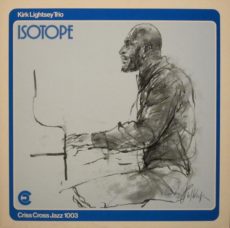
Isotope ~ Kirk Lightsey Trio | By Eddie CarterI’m a huge fan of jazz piano, so I was delighted to be introduced to The Kirk Lightsey Trio recently. I first heard him on the 1987 album Heads Up by David Newman and recently acquired a copy of this morning’s record to discuss. Isotope (Criss Cross Jazz 1003) is a marvelous session featuring Lightsey on piano, Jesper Lundgaard on bass, and Eddie Gladden on drums. My copy used in this report is the original 1983 Netherlands Stereo release.
The title tune was written by Joe Henderson who recorded it on the 1965 album, Inner Urge. It kicks off Side One with a sprightly collective theme, then Kirk crackles with excitement on the opening statement. Jesper gives a spirited performance as bright and sunny as a hot summer day next. Kirk presents a few final lines before closing on a vivacious note. Oleo by Sonny Rollins premiered on the 1954 album, Bags Groove by Miles Davis. Lightsey starts this swift swinger with a brief intro of the melody segueing into a breakneck main theme and first solo. Lundgaard delivers some ferociously spirited bass lines next and Gladden makes a prominent comment into the coda.
Pee Wee is a very pretty tune by Tony Williams that was first heard on the 1988 album, Angel Street. The trio’s rendition opens with an affectionately warm melody. Kirk’s opening and the closing chorus is exceptionally tender and intimately sincere. Jesper follows with a gentle reading of serene beauty in-between the leader’s statements with Eddie’s compassionate brushwork backing both soloists into a lovely finale.
Witch Hunt by Wayne Shorter was first heard on the saxophonist’s 1966 album, Speak No Evil. The trio swings into the main theme with remarkable ease and Lightsey shapes the first solo with effortless spontaneity. Lundgaard walks his bass with a delightful, laid-back bounce that’s perfectly easy and natural before the pianist makes a final comment ahead of the closing chorus. A Monk’s Dream was written by Johnny Griffin and originally recorded on the 1979 album, Return of The Griffin. The ensemble opens with a very friendly melody and Kirk infuses the song’s only solo with an insightful performance that’s passionate and rewarding.
Little Daphne is by Rudolph Johnson and made its debut on the composer’s 1971 record, Spring Rain. It ends the date with a lovely, charming rendition by the trio opening with a gorgeous melody. Lightsey establishes a vivacious momentum on the opening solo with an expertly crafted performance. Lundgaard takes the next turn for an eloquent reading that’s vividly expressive and the leader adds the finishing touches on a brief reprise preceding the coda.
Isotope was produced by Criss Cross Jazz founder Gerry Teekens and engineered by the owner of Studio 44, Max Bolleman. The sound of the album is superb with an exquisite soundstage amid the highs, midrange, and low-end that’s a sonic treat I’m sure you’ll enjoy. Kirk Lightsey has eighteen albums under his leadership and twenty-eight as a sideman. If you’ve not yet heard him and are looking for a trio jazz album for a spot in your library, I offer for your consideration Isotope by The Kirk Lightsey Trio. In my opinion, it’s a perfect choice to begin your day or end your evening of listening with a smile!
~ Angel Street (Blue Note B1-48494); Bags Groove (Prestige 7109); Inner Urge (Blue Note BLP 4189/BST 84189); Return of The Griffin (Galaxy GXY-5117); Speak No Evil (Blue Note BLP 4194/BST 84194); Spring Rain (Black Jazz Records BJ 4) – Source: Discogs.com
~ Oleo – Source: JazzStandards.com ~ © 2020 by Edward Thomas Carter SynopsisIsotope is an album by pianist Kirk Lightsey that was recorded at Studio 44, Monster, Holland on February 14, 1983 and released by the Dutch Criss Cross Jazz label.
Tracks | 48:21
- Isotope (Joe Henderson) – 6:54
- Oleo (Sonny Rollins) – 4:59
- Pee Wee (Tony Williams) – 9:46
- Witch Hunt (Wayne Shorter) – 7:59
- A Monk’s Dream (Johnny Griffin) – 5:30
- Little Daphne (Rudolph Johnson) – 12:43
- Kirk Lightsey – piano
- Jesper Lundgaard – bass
- Eddie Gladden – drums
More Posts: choice,classic,collectible,collector,history,instrumental,jazz,music,piano
Requisites
Ahmad Jamal at The Top: Poinciana Revisited ~ Ahmad Jamal | By Eddie Carter
I first saw Ahmad Jamal live in 1995 at Spivey Hall on the campus of Clayton State University in Morrow, Georgia. I’d been a fan of his since the age of ten after hearing his 1958 album, Ahmad Jamal at The Pershing: But Not For Me. That night, the trio characterized their creative energy and gracious lyricism into a mesmerizing performance bringing the capacity crowd to its feet.
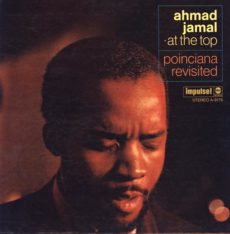
This morning’s choice from the library is a 1968 live album, Ahmad Jamal at The Top: Poinciana Revisited (Impulse!–ABC Records AS-9176). It’s one of my favorite LP’s by the renowned pianist and his bandmates are Jamil Sulieman on bass and Frank Gant on drums. My copy used in this report is the 1969 Stereo reissue and the set opens with Have You Met Miss Jones? This song by Richard Rodgers and Lorenz Hart is from the 1937 musical comedy, I’d Rather Be Right. The audience’s applause and a short solo introduction by Ahmad segue into a lively Latin-flavored theme. Jamal gives a vigorous interpretation that’s tremendously rewarding propelled by Jamil and Frank’s lively backing.
The jazz standard Poinciana by Nat Simon and Buddy Bernier was written in 1936 and is based on a Cuban folk tune, La canción del árbol (The Song of The Tree). The Glenn Miller Army Air Force Band made the first recording in 1943 and it was featured in two films, Dreamboat (1952) and The Bridges of Madison County (1995), performed by Ahmad Jamal. The trio gives an inspired interpretation showcasing the pianist on a lengthy reading running the gamut of his extraordinary range.
Lament, Jamal’s lone contribution begins with a cascading solo introduction by Ahmad that blossoms into a marvelous melody. As the song’s only soloist, the pianist ascends to a peak of pure pleasure, before descending gradually back for the rousing climax. Call Me by Tony Hatch starts Side Two and was written for Pop vocalist Petula Clark who featured it as the title tune for her 1965 album. The ensemble transforms the easy listening song into a torrid scorcher on the melody, and Jamal gives a passionately brisk solo of radiant intensity before the reprise and abrupt stop.
The pace slows down for a beautiful version of Theme From Valley of The Dolls, composed for the 1967 film by André Previn and his wife Dory. Ahmad and Jamil begin with a gentle dialogue that grows into a tender theme. The pianist infuses tender emotion, depth, and beauty into the song’s only solo with exceptional detail leading to a subtle coda. Frank’s Tune by Frank Strozier swings easily to a medium beat on the opening and closing chorus affording Ahmad, Jamil, and Frank each solo space. The 1961 Bossa Nova standard,
How Insensitive (known in Brazil as Insensatez) was written by Antônio Carlos Jobim, and Vinícius de Moraes who penned the Portuguese lyrics, and Norman Gimbel, the English lyrics. The ensemble begins the melody rapidly setting the mood for Ahmad who opens with an exhilarating reading. Jamil takes the next reading aggressively, and Frank closes with a swift, zealous statement preceding the group’s out-chorus and crowd’s show of appreciation. The sound quality of the album by engineer Carlos Olms captures the spirit of the trio’s performance exceptionally well for maximum enjoyment in your listening room.
At ninety-years young, Ahmad Jamal shows no signs of slowing down. His most recent release is a 2019 French album titled Ballades. If you’re a fan of piano jazz, or in the mood for a live album possessing an elegant and infectious groove, I submit for your consideration Ahmad Jamal at The Top: Poinciana Revisited. It’s a great introduction to his music for newcomers and an impressive showcase for seasoned fans that handsomely repays the effort to seek it out for your library!
~ Ahmad Jamal at The Pershing: But Not For Me (Argo LP-628); Ballades (Jazz Village–Jazzbook Records JV3357015758); Call Me (Pye Records NEP 24237); – Source: Discogs.com
~ Have You Met Miss Jones? – Source: JazzStandards.com
~Call Me, How Insensitive, Poinciana, Theme From The Valley of The Dolls – Source: Wikipedia.org
~© 2020 by Edward Thomas Carter
Synopsis
Ahmad Jamal at the Top: Poinciana Revisited is a live album by pianist Ahmad Jamal featuring performances recorded at The Village Gate in 1968 and released on the Impulse! label.
Track List | 42:04
- Have You Met Miss Jones (Lorenz Hart, Richard Rodgers) – 3:47
- Poinciana (Buddy Bernier, Nat Simon) – 9:19
- Lament – 8:05
- Call Me (Tony Hatch) – 4:51
- (Theme from) Valley of the Dolls (André Previn, Dory Previn) – 4:23
- Frank’s Tune (Frank Strozier) – 5:50
- How Insensitive (Antônio Carlos Jobim, Vinícius de Moraes) – 5:52
Personnel
- Ahmad Jamal – piano
- Jamil Sulieman – bass
- Frank Gant – drums
More Posts: choice,classic,collectible,collector,history,instrumental,jazz,music,piano
Requisites
Heads Up ~ David Newman | By Eddie Carter
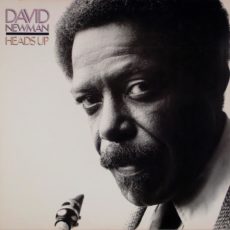
Up next from the library is an album by the flutist, alto, and tenor saxophonist, David Newman. Heads Up (Atlantic 81725-1) finds him leading a first-rate quintet with Kirk Lightsey on piano; Steve Nelson on vibraphone; David Williams on bass and Eddie Gladden on drums. My copy used in this report is the original 1987 Stereo release.
Ain’t Misbehavin’ by Fats Waller, Harry Brooks and Andy Razaf starts Side One at a slow ballad tempo. The song premiered at the Harlem club Connie’s Inn and was the opening tune for the 1929 all-black musical revue, Hot Chocolates. The show was so successful it ran on Broadway for 219 performances, and Louis Armstrong performed the first instrumental version during the intermission. Kirk opens with a tender introduction that gently grows into David’s seductive melody. Newman also delivers a beautiful work of richness and sincerity on the lead solo. Kirk and Steve split the next few verses, each man offering a romantic sensitivity before a pretty closing chorus.
Makin’ Whoopee is by Walter Donaldson and Gus Kahn, first appearing in the 1928 Broadway musical Whoopee, the song was sung by Eddie Cantor who reprised it two years later in the 1930 film. The quintet proceeds smoothly from the introduction to the opening chorus led by Newman who also casts a distinct voice with expressive beauty on the first reading. Nelson also gives an enticing presentation on the second solo. Williams is as sweet as honey on the third statement with an exquisite tone and Lightsey makes the final statement a delightfully nostalgic performance into the coda. Newman’s Heads Up comes at you next vivaciously with David taking off first with a rocking beat compelling one to snap their fingers and tap their toes. Steve conveys a festive celebration on the second reading, then Kirk dazzles with the vigorous zest of a sanctified church service. David sums everything up with a few short comments leading to the group’s finale.
Newman opens Side Two on flute for an upbeat rendition of Delilah by Victor Young. It’s a catchy 1954 tune with the quintet producing a vibrant melody. David’s opening solo is delivered with abundant spirit and energy. Kirk steps up next with driving ambition, then Nelson takes the final bow with driving ambition and dexterity. Lover Man by Jimmy Davis, Roger Ramirez, and Jimmy Sherman slows the pace with the leader back on tenor sax. After the ensemble’s ravishingly beautiful theme, David demonstrates his rhythmic mastery with grace and elegance. Kirk etches a delicately thoughtful presentation next, then Steve follows with an amorously tender interpretation. Newman closes with a few sultry comments before the warm-hearted ending. For Buster, David’s second original closes the album with the leader on alto-sax expressing a down-home blues flavor. Newman and Nelson are the featured soloists and each man offers an interpretation eminently fitting for the blues into David’s earthy reprise and climax.
Heads Up was engineered by Tony May whose work has appeared on many Jazz, Latin, Pop, and Soul albums. His assistant Ira McLaughlin has worked on albums for Atlantic, CBS, and Profile Records. This album was digitally recorded and has a highly effective soundstage placing the musicians in the center of your listening room. David Newman who the jazz world would come to know as “Fathead” originally worked with Ray Charles and had a prolific career recording albums of Hard-Bop, Post-Bop, Soul-Jazz, Jazz-Funk, and Jazz-Fusion for another twenty-one years after Heads Up was released. He passed away at the age of seventy-five on January 20, 2009, from pancreatic cancer. If you’re seeking an album displaying his skills as a composer and multi-instrumentalist, consider this your Heads Up!
~ Ain’t Misbehavin’, Lover Man, Makin’ Whoopee – Source: JazzStandards.com ~ © 2020 by Edward Thomas Carter SynopsisHeads Up is an album by saxophonist David Newman recorded at the Atlantic Recording Studios in New York City on September 16~18, 1986 and released in 1987 on the Atlantic Records label.
Track List | 37:55
- Ain’t Misbehavin’ (Fats Waller, Andy Razaf) 7:40
- Makin’ Whoopee (Walter Donaldson, Gus Kahn) 8:24
- Heads Up (David Newman) 6:21
- Delilah (Clifford Brown) 7:22
- Lover Man (Jimmy Davis, Ram Ramirez, James Sherman) 9:52
- For Buster” (Newman) :41
- David Newman – tenor saxophone, flute
- Steve Nelson – vibraphone
- Kirk Lightsey – piano
- David Williams – bass
- Eddie Gladden – drums
More Posts: choice,classic,collectible,collector,flute,history,instrumental,jazz,music,saxophone
Requisites
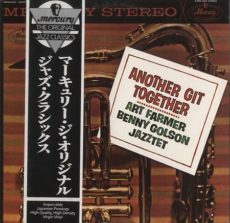
Another Git Together ~ Art Farmer/Benny Golson Jazztet | By Eddie CarterI was listening to this album a few nights ago and that’s what led me to this morning’s choice submitted for your approval by two jazz titans, trumpet and flugelhorn player Art Farmer and tenor saxophonist Benny Golson. Another Git Together (Mercury Records MG-20737/SR-60737) by The Jazztet is a 1962 release and their sixth album as an ensemble. They were together from 1959 to 1962 before disbanding but would reunite in the nineties performing live at jazz festivals around the world. Here, the duo is augmented by Grachan Moncur III on trombone; Harold Mabern on piano; Herbie Lewis on bass and Roy McCurdy on drums. My copy used in this report is the 1985 Japanese Stereo reissue (Mercury EXPR-1002), one of The Original Jazz Classics Series from Nippon Phonogram and Polygram Records.
The album takes flight with a trip to the Space Station by Grachan Moncur III, an uptempo burner beginning with the group in complete agreement on a scintillating melody. Art opens with a vigorously brisk first solo, then Benny blows with audacious confidence next. Grachan gives a statement of spirited exuberance on the third interpretation and Harold provides plenty of enthusiastic energy on a joyous finale.
The sextet changes gears for Domino, a 1950 French tune by Don Raye, Jacques Plante, and Louis Ferrari. It’s also been a hit in the US for numerous vocalists and an unforgettable title song by Roland Kirk on his 1962 album. The trio settles into a relaxed setting for the melody with Farmer on flugelhorn, and Golson and Moncur trailing him softly. Art begins telling a subtle touching story on the opening chorus with a soft tone. Grachan hits his target next with a gorgeous performance. Benny meets the challenge on the third reading, his tenor sax flowing seamlessly. Harold makes his mark on the closing statement with a dazzling display of creativity preceding the ensemble’s climax.
The title track is a soulful blues by John Hendricks and Pony Poindexter that starts with a dialogue between the trio and ends slowly fading into oblivion. The fun begins when Benny goes to work first at a danceable tempo, compelling the listener to snap their fingers, get up and dance. Harold gets into a tantalizing groove next, and Art is passionately driven on the third performance. Grachan expresses his emotions exquisitely with the utmost assurance on the fourth statement. Roy and Harold share an irresistibly appealing, smartly articulated performance on the closer.
Along Came Betty by Benny Golson first appeared on the 1958 album, Art Blakey and The Jazz Messengers while he was a member. The ensemble starts the melody slightly faster than the original recording. Mabern steps up first to create a relaxing atmosphere with a great swinging beat. Golson breathes new life into his tune with a stylish interpretation providing a remarkable timbre and easy rhythm. Farmer executes a flawless statement on the finale before the sextet reconvenes for the coda.
This Nearly Was Mine by Oscar Hammerstein II and Richard Rodgers made its debut in their 1949 Broadway musical, South Pacific, and reappearing in the 1958 film as well. Farmer is back on flugelhorn leading the sextet on the melody of this pretty waltz at a lively pace. The solo order is Art, Benny, Grachan, and Harold with each man giving inspired improvisations.
Reggie, a cheerful original by Benny named for his second son closes the second side with a perfect vehicle for improvisation as the group collectively illustrates on the opening chorus. The tenor man opens the solos with a boldly assertive statement. Farmer comes in next for an enthusiastically agile reading that’s pitch-perfect. Moncur is as cool as the other side of the pillow on the third performance, and Mabern gets the final spotlight to deliver an imaginatively melodic, happy reading leading to the climax. Tommy Nola engineered the original recording of Another Git Together and has also made albums for Argo, ATCO, Atlantic, Contemporary, Riverside, and United Artists Records. The album was produced by Jack Tracy who also was the director of EmArcy and an editor at a little-known jazz magazine named Down Beat that’s still in publication in print and digital form today. The sound quality from Mr. Nola’s original tapes has been gorgeously remastered by Polygram with a spectacular soundstage throughout the highs, midrange, and low end, that’s quite revealing. As noted, writer Leonard Feather mentions in his liner notes, “The Jazztet was one of the finest combos in 1959; it is one of the finest today. This is enough; invidious comparisons are not needed. By the same token, three years from now there will be no need to assume that the present LP has lost, any intrinsic value. Any group in which Farmer and Golson are leaders, and for which they select the rest of the membership, can hardly go wrong”. I agree with every word in that statement and will only add, Another Git Together by The Art Farmer–Benny Golson Jazztet is an LP that’ll reward you with many hours of listening pleasure, especially if you’re a fan of small group jazz! ~ Art Blakey and The Jazz Messengers (Blue Note BLP 4003/BST 84003); Domino (Mercury Records MG 20748/SR 60748) ~ Tommy Nola, Jack Tracy – Source: Discogs.com ~ Album Quote – Source: Album Liner Notes by Leonard Feather ~ Domino – Source: Wikipedia.org ~ Space Station – https://www.youtube.com/watch?v=n3FrCKqP1Fs ~ Domino – https://www.youtube.com/watch?v=DN74iqjXLLs Track List | 34:28
- Space Station (Grachan Moncur III) – 5:10
- Domino (Don Raye, Jacques Plante, Louis Ferrari) – 6:58
- Another Git Together (Jon Hendricks, Pony Poindexter) – 6:12
- Along Came Betty (Benny Golson) – 5:24
- This Nearly Was Mine (Richard Rodgers, Oscar Hammerstein II) – 6:20
- Reggie (Golson) – 4:24
- Art Farmer – trumpet, flugelhorn
- Benny Golson – tenor saxophone
- Grachan Moncur III – trombone
- Harold Mabern – piano
- Herbie Lewis – bass
- Roy McCurdy – drums
More Posts: choice,classic,collectible,collector,history,instrumental,jazz,music,saxophone,trumpet