


Daily Dose Of Jazz…
Irene Aranda was born in Jaén, Andalucía, Spain on September 2, 1980 and started to play piano at age seven under the guidance of her maternal grandparents. She graduated from the Conservatory of Music in Granada and complimented her classical training by attending piano performance and composition classes with Gerardo López Laguna, Guillermo González, Fernando Puchol, Pilar Bilbao, Antonio J. Flores and Javier Darías, among the most notable.
She was self-taught in jazz and free improvisation, she later studied with Peter Zack, Eduard Simons, Chano Domínguez, Nikky Illes, Mike Ph. Mosman, Greg Hopkins, David Pastor, Jordi Farrés Tomás, Pete Churchill, Perico Sambeat, Tony Reedus, etc.
Her first work as a leader, Interfrequency 23 7, brought her great critical acclaim which led her to participate in numerous festivals. Since her debut release in 2007 she has released six more albums.
Freed from stereotypes, Irene has gone on to perform and collaborate with Paolo Fresu, Toots Thielemans, Maria Pia De Vito, Baldo Martínez and Bojan Z among others. Aranda has played with Don Malfon, Brandon López, Markus Breuss, Johannes Nästestjö, Samuel Blasser, Germán Díaz, Agustí Fernández, Joanna Mattrey, Lucía Martínez, Javier Carmona, Núria Andorrà, Marc Egea and numerous others.
Pianist, improviser, composer Irene Aranda continues to swim against the stream of pianists with her creativity and exploration in her music.

More Posts: bandleader,composer,history,improviser,instrumental,jazz,music,piano
Requisites
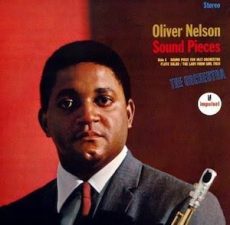
Sound Pieces ~ Oliver Nelson | By Eddie Carter
My next record from the library is by Oliver Nelson, one of jazz’s finest arrangers, composers, and multi-instrumentalists, which is too good to leave sitting on the shelf. Few performances on LP ever reached the heights of his 1961 release, The Blues and The Abstract Truth, producing his biggest hit, Stolen Moments. Sound Pieces (Impulse A-9129/AS-9129) is one that did, and in the process, became one of the best albums in Nelson’s discography. What sets Sound Pieces apart is its unique combination of a large ensemble for three works of orchestral jazz on Side One and a quartet in a more intimate setting on Side Two. My copy is the original 1966 US Stereo release.
The personnel on this date are an all-star ensemble. John Audino (tracks: A1 to A3), Bobby Bryant (A1), Conte Candoli, Oliver Mitchell (A1 to A3), Al Porcino (A2, A3) on trumpet; Bill Byers (A2, A3), Dick Noel (A1), Ernie Tack (A1 to A3) on trombone; Red Callender (A2, A3) on tuba; Bill Hinshaw, Richard Perissi (A1 to A3) on French horn; Gabriel Baltazar Jr. and Bill Green (A1 to A3) on alto sax; Plas Johnson, Bill Perkins (A1 to A3) on tenor sax; Jack Nimitz (A1 to A3) on baritone sax; Oliver Nelson (A1 to B3) on soprano sax; Gabriel Baltazar Jr., Bill Perkins (A2, A3) on clarinet; Steve Kuhn (B1 to B3), Mike Melvoin (A2, A3) on piano; Ray Brown (A2, A3), Ron Carter (B1 to B3) on bass; Shelly Manne (A2, A3), Grady Tate (B1 to B3) on drums.
Sound Piece For Jazz Orchestra is an unforgettable story of music told in two main themes: the first one is a calm state of tranquility. The second is a searing portrayal originally written for The Stuttgart Radio Dance Band in 1963. The song opens with the bass clarinets sounding a commanding call and an exceptional utilization of brass and winds to announce the majestic chorus with strong statements. Originally written for alto saxophone, Oliver is featured on soprano sax and is the song’s only soloist in both sections. When the pace slows down to a softer tempo, he delivers a thoughtfully sensitive interpretation, caressing each phrase with the clarinets and horns discreetly in the background, culminating in a tender finale. The rhythm section shifts the song back to uptempo for the orchestra to restate the melody, stepping aside for Nelson, who gives an intense workout on the closer before the stunning finale.
Flute Salad is an original by Oliver Nelson that, as the title suggests, places the flutes in front, leading the orchestra in the animated opening and ending melodies. Conte Candoli is the featured soloist, and his muted horn delivers an air of assurance that flows sonorously with the brass section in support. The Lady From Girl Talk by Oliver was written for Actress Virginia Graham, who hosted Girl Talk, a syndicated program using this tune as her theme. The trombones announce the introduction before evolving into the orchestra’s full-bodied melody. Mike Melvoin begins a taut opening solo of rhythmic joy, illustrating his nimble hands at work. Oliver follows, his soprano moving gracefully with soulful precision on the closer for a compelling reading that is especially impressive.
The Shadow of Your Smile by Johnny Mandel and Paul Francis Webster is also known as Love Theme From The Sandpiper. Steve, Ron, and Grady join Oliver in presenting a Bossa Nova version, opening with the introduction as if the quartet is playing the standard at a slow tempo. The mood moves upward to a medium beat for the melody with an energetic swing led by Nelson. Steve charges the opening statement with mild energy and agile phrases, exhibiting the cohesive harmony between himself, Carter, and Tate. Oliver closes with an affectionate performance of deep emotion, rich harmony, and warm phrasing that, to these ears, captures the essence of expressing the love the lyrics depict.
Patterns is an uptempo original that first appeared in Oliver’s 1966 Book, Patterns For Improvisation (Jamey Abersold), a collection of improvisational jazz patterns in various meters and feels that spells out some of the basic building blocks of the jazz language. It is the most adventurous and interesting tune on the album, beginning with a thematic statement that the quartet takes as far as it will go. The opening solo by Nelson is well-developed. Kuhn heightens the mood by supplying a scintillating closing presentation, held firmly by the always energetic foundation of Carter and Tate into the quartet’s reprise and climax.
The final track is Oliver’s Elegy For a Duck, which he recorded earlier in the year on Peter and The Wolf with organist Jimmy Smith. Based on the original work by Russian composer, conductor and pianist Sergei Prokofiev, Ron and Grady establish the introduction with a bouncy beat that is maintained throughout the entire song. Oliver and Steve join them for a bit of relaxed spontaneity on the theme. Then, the saxophonist settles in for a beautifully articulated opening statement that is brisk and merry. Kuhn closes with a refreshing performance of intriguing ideas, subtle moods, and impressions on each chorus, which is a deft musical portrayal.
The East Coast orchestra tunes were recorded by Bob Simpson of RCA Studios in New York, and the man behind the dials in the West Coast quartet sessions was Jim Lockert of Western Recorders. I was extremely impressed with each man’s work on Sound Pieces, and the sound quality is spectacular on both sides of the album. It is especially impressive during the orchestra tracks; Lockert accurately captures the brass, reeds, and drums and is as close to the real thing as I have heard. The highs are clear, the character of each instrument at midrange is crisp and natural, and there’s ample response in the bass region.
Oliver Nelson recorded six small group albums for Prestige, playing the alto and tenor sax, and nine more albums for Impulse, affirming his inspired leadership. He scored background music for films and television shows after moving to the West Coast in 1967. Oliver also recorded several excellent orchestra albums, including Afro-American Sketches in 1962 and Full Nelson in 1963, which are two of his finest LPs alongside The Blues and The Abstract Truth. He also arranged and produced records for some of the elite pop stars during the latter half of the sixties. It is no wonder why the Jazz and Pop communities mourned him deeply after his death from a heart attack at the age of forty-three on October 28, 1975!
I was fourteen when I first heard this album; it made quite an impression on me then, and I still find something new in the music each time I listen to it now. Impulse LPs also set a high standard for their releases with laminated gatefold covers, a distinctive spine color, incredible photography, knowledgeable liner notes, and great music. Sound Pieces is a tour-de-force of brilliant arrangements, incredible artistry, superb writing, and unparalleled listening pleasure by Oliver Nelson. A remarkable talent who, whether on record or in concert, always gave jazz fans exciting performances and albums that are still considered a must-have for any library!
~ Patterns For Improvisation – Source: Amazon.com
~ Afro-American Sketches (Prestige PRLP 7225/PRST 7225); Full Nelson (Verve Records V-8508/V6-8508); Peter and The Wolf (Verve Records V-8652/V6-8652); The Blues and The Abstract Truth (Impulse! A-5/AS-5); Bob Simpson, RCA Studios, Jim Lockert, Western Recorders – Source: Discogs.com
~ Sound Piece For Jazz Orchestra, The Stuttgart Radio Dance Band, Flute Salad, The Lady From Girl Talk, Patterns, Elegy For a Duck – Source: Album liner notes by Nat Hentoff
~ Girl Talk, Virginia Graham – Source: IMDB.com
~ Sergei Prokofiev – Source: Wikipedia.org
© 2024 by Edward Thomas Carter

More Posts: choice,classic,collectible,collector,history,instrumental,jazz,music,saxophone
Daily Dose Of Jazz…
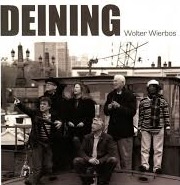
Wolter Wierbos was born on September 1, 1957 in Holten, Overijssel, Netherlands. Self-taught, he started on a wind instrument in a drum band. He created a unique sound on his trombone and beginning in 1979 he became active in the Dutch creative jazz music scene.
He plays contemporary and improvised music, making excursions to post-punk and toured with various formations throughout Europe, Canada, the US and Asia. Wolter has played with Cumulus, JC Tans & Rockets, Theo Loevendie Quintet, Guus Janssen Septet, Loos, Maarten Altena Ensemble and Podiumtrio. He’s led his own band, Celebration of Difference, and has been involved in theater, dance, television and film projects. He has also played with Henry Threadgill, The Berlin Contemporary Jazz Orchestra, the European Big Band led by Cecil Taylor, the John Carter Project, Mingus Big Band.
Maintaining a solo career he has a running project under the name Wollo’s World, and has recorded on more than 100 compact discs and LPs, has released two solo cds, and a round-trip tour of his horn. The highlight in his career was the Boy Edgar award in 1995 and the Podiumprijs for Jazz and Improvised Music.
Trombonist Wolter Wierbos, who is best known as a member of the ICP Orchestra and is currently performing with Misha Mengelberg’s ICP, the Gerry Hemingway Quintet, Franky Douglas Sunchild and Bik Bent Braam, continues to perform, compose and record.
More Posts: bandleader,history,instrumental,jazz,music,trombone
Daily Dose Of Jazz…
May Alix was born Liza Mae Alix on August 31, 1902 in Chicago, Illinois and began her career as a teenager after winning a talent contest. She performed with the Jimmie Noone band in the clubs around the city. She later worked with bandleaders Carroll Dickerson, Duke Ellington, and Luis Russell.
She earned the nickname “Queen of the Splits” for the dance choreography included in her show, where she would do a split for every dollar thrown by a customer. Soon she joined Ollie Powers as a duo performing in cabarets.
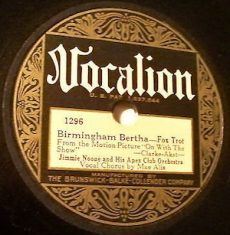
1926 saw her recording with Louis Armstrong and His Hot Five, one being Big Butter and Egg Man, which became Armstrong’s first chart hit. She went on to collaborate with Jimmie Noone on half a dozen recordings for Vocalion Records at the end of the decade including Ain’t Misbehavin, My Daddy Rocks Me, and Birmingham Bertha/Am I Blue?.
During the 1930s and early 1940s, she performed mainly in New York City. Jazz singer Alberta Hunter sometimes recorded under the name “May Alix”, with the permission of the real May Alix.
Vocalist May Alix, who left show business in 1941, died on November 1, 1983.

More Posts: bandleader,history,instrumental,jazz,music,vocal
Daily Dose Of Jazz…
Bronisław Suchanek was born August 30, 1948 in Bielsko-Biała, Poland. During his studies at the Secondary Music School he was a member of the Andrzej Zubek Quartet and from 1967 to 1971 he studied at the Academy of Music. In 1969, while still a student, he began collaborating with Tomasz Stańko’s quintet and recorded two albums and were among the first musicians to inaugurate the first Music Workshop in Chodzież, Poland.
He made his debut on the music scene playing in the Silesian Jazz Quartet, which he co-founded with pianist Andrzej Zubek, trumpeter Bogusław Skawina, Jerzy Jarosik on flute and saxophone, and drummer Kazimierz Jonkisz.
At the end of 1972, Bronisław went with the Klan Band to Finland where he took part in a concert as part of the Helsinki Festival and presented the premiere of free-jazz and rock. In 2016, GAD Records released an album titled Live Finland 1972 with a recording of this concert. In the 1970s he was a member of the Polish Radio Jazz Studio Orchestra.
He has performed and recorded both in Poland and abroad with American jazz musicians such as Don Cherry and Rick Stepton. In the second half of the decade he emigrated to Sweden, where he played in the Swedish Jazz Radio Group. He operated in Scandinavia for over a dozen years, collaborating with the bands Sound of Flowers and Birka.
The 1980s saw him giving concerts and recording albums in Germany and Austria with different formations. In 1995 Suchanek moved to the United States where he taught at the Maine School of Music and played in the Woody Herman Big Band and the Artie Shaw Orchestra.
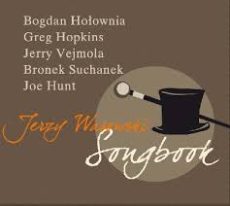
He recorded an album titled Sketch in Blue in a duet with Dominik Wania. In 2010 he recorded an album titled Jerzy Wasowski Songbook together with Bogdan Hołownia, Jerry Veimola and Joe Hunt. He collaborated with the New Bedford Symphony Orchestra.
Double bassist Bronisław Suchanek, who was awarded the Silver Medal for Merit to Culture – Gloria Artis, continues to perform and record in the free jazz and straight-ahead mediums.
More Posts: bandleader,bass,history,instrumental,jazz,music