

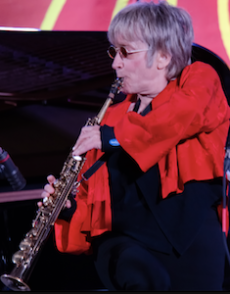
JANE IRA BLOOM
Soaring, poetic, quick silver, spontaneous and instantly identifiable are words used to describe the soprano sound of saxophonist Jane Ira Bloom. She has been developing her singular voice on the soprano saxophone for over 45 years.
She is a pioneer in the use of live electronics and movement in jazz. Winner of the Guggenheim Fellowship for music composition, the Downbeat International Critics Poll & Jazz Journalists Association Award for soprano saxophone, the Mary Lou Williams Award for lifetime service to jazz and the Charlie Parker Fellowship for jazz innovation.
She is the first musician ever commissioned by the NASA Art Program and has an asteroid named in her honor by the International Astronomical Union (asteroid: 6083janeirabloom). Her critically acclaimed Cd “Early Americans” received a Grammy Award for Best Surround Sound Album and made numerous year end best lists.
Her duo release with bassist Mark Helias “Some Kind of Tomorrow” was featured on NPR’s Fresh Air and received 4 stars from Downbeat Magazine. Her critically acclaimed duo projects “Tues Days” with drummer Allison Miller and “See Our Way” with Helias and trio project with Helias and Bobby Previte “2.3.23” all appear on Bandcamp. Picturing the Invisible her latest project featuring duets w/ Allison Miller, Miya Masaoka, & Mark Helias was nominated for a Grammy for Best Immersive Sound Album. Bloom looks forward to the release of her most recent duet and trio recording with Bobby Previte, Mark Helias & Dominic Fallacaro on her Outline label.
Mark Helias bass, Dominic Fallacaro piano
More Posts: adventure,bandleader,genius,instrumental,jazz,music,preserving,saxophone,travel
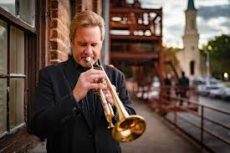
JOE GRANSDEN JAM SESSION
Trumpeter Joe Gransden has been playing for more than forty years. Not long after high school, Joe was on the road as a sideman with the big bands of Tommy Dorsey and Glenn Miller. A number of A.F.M. contracted sideman gigs include Barry White, The Moody Blues, Kenny Rogers, The Temptations, Aretha Franklin, The Whispers, etc. Eventually moving to New York City, he performed with numerous groups, including sub work with Toshiko Akiyoshi and Chico O’Farrill at the famous Birdland Jazz Club. Meanwhile, Joe formed his own group, which performed in Brooklyn each week and included the venerable guitarist Joe Cohn and ex-Betty Carter bassist, Matt Hughes. He leads a 16 piece big band along with configurations of quartet and quintet, conducts a jazz camp and holds court with a weekly jazz jam every Monday evening.
Musicians bring your instrument and join on stage!
Cover: Free
More Posts: adventure,bandleader,genius,instrumental,music,preserving,restaurant,travel,vocal
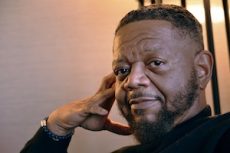
GARY MOTLEY QUARTET
The quartet led by pianist Gary Motley, whose exceptional skills as a performer, composer, and arranger have made him an indispensable leader in the nation’s jazz community. His compositions have premiered at national and international festivals, and his achievements have been lauded by multiple organizations, including the National Endowment for the Arts. Well known to music audiences locally as both a headliner and an accompanist, Gary is also beloved on the Emory campus as a professor and the founding director of the University’s Jazz Studies program.
This is the first concert of the 2024~2025 series presented by Jazz at All Saints Episcopal Atlanta
Cover: $25 Adult | $15.00 Student
More Posts: adventure,bandleader,genius,instrumental,jazz,music,piano,preserving,travel
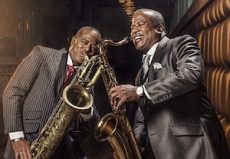
BOSMAN TWINS QUINTET
The Music of Miles Davis and Cannonball Adderley
Born in St. Louis, Missouri, Dwayne’s and Dwight’s passion for jazz started at an early age. They grew up listening to the sounds of great jazz artists such as Earl “Fatha” Hines, Count Basie, Duke Ellington and their father Lloyd Smith, who was a well known businessman and a side man in Basie’s and Ellington’s orchestras. Paula V. Smith, the twins’ mother and the first African American Administrator of the Wage and Hour Division for the U.S. Department of Labor under the Regan Administration, was also an avid jazz lover. Influenced by famous musicians, like family friends, Louis Armstrong, John Coltrane and Charlie Parker, by age 14 the twins were performing professionally as The Bosman Twins. Over the years, The Bosman Twins have shared their love of music and the stage with entertainment legends Freddie Cole, Branford Marsalis, Fontella Bass, Roy Ayers, David Peaston and the late trumpeter, Lester Bowie. Whether performing with their own band or accompanying other notable jazz professionals, their unique style and renditions of jazz, rhythm and blues, funk and gospel have earned them national and international acclaim.
The Group: Dwayne Bosman – saxophone | Dwight Bosman – saxophone | Kevin Fort – piano | Mark Sonksen – bass | Ernie Adams – drums
Cover: $27.75 ~ $37.75
More Posts: adventure,bandleader,club,genius,instrumental,jazz,music,preserving,saxophone,travel
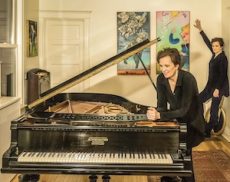
PATRICIA BARBER
Songwriter, composer, singer, and pianist, was born in Chicago and her father Floyd was a jazz saxophonist who played with Bud Freeman and Glenn Miller. She played saxophone and piano from a young age, sang in musicals in high school, and studied piano at the University of Iowa in the early 1970s. From there Barber went to Chicago and began performing regularly in bars and clubs. She won a Guggenheim Fellowship in music composition in 2003, an unusual accomplishment for someone working in the field of popular songwriting.
The Band: Patricia Barber – piano, vocals | Emma Dayhuff – bass | Greg Artry – drums | Neal Alger – guitar
Cover: $27.75 ~ $37.75
More Posts: adventure,bandleader,club,genius,history,instrumental,jazz,music,piano,preserving,travel,vocal