

Daily Dose Of Jazz…
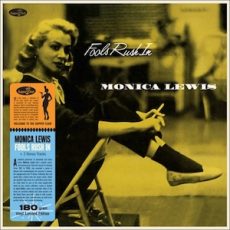
Monica Lewis was born May Lewis in Chicago, Illinois on May 5, 1922, the youngest of three children. Her father was a pianist, composer and musical director for CBS, while her mother was a singer with the Chicago Opera Company. She studied voice with her mother and when she was eleven the family moved to New York City due to The Great Depression.
She began singing on radio after a successful audition with WMCA in New York City, which led to her own program. At age seventeen she started working as a singer for a radio show titled Gloom Dodgers in order to support her family while studying at Hunter College. Shortly afterwards Lewis had a radio show titled Monica Makes Music and went on to co-star on The Chesterfield Supper Club radio show.
Winning a part as a singing cigarette girl in the Broadway show Johnny 2X4, her work on Broadway led to performing at the Stork Club. She dropped out of school, changed her name from May to Monica because she thought it was sexier. In 1943 at an audition in Times Square with hundreds of women participating, she earned the part as a singer.
She started singing on Hotel Astor’s roof with Goodman’s orchestra and established her career through nationally broadcast shows. Lewis went on to record for Signature Records, MGM Records, Decca Records, Capitol Records, and Verve Records.
She went on to sing in commercials, became the voice of Miss Chiquita Banana, and appeared on the Toast of the Town which would become the Ed Sullivan Show. It was created and produced by her brother Marlo Lewis.
By 1950 she was signed to a contract with MGM and movies were added to her trades. Over the next three decades she appeared in romantic comedies and disaster films along with television action, crime and western series. Resuming her singing career in the 1980’s and 1990s, she performed at popular clubs in Los Angeles and New York City.
Vocalist Monica Lewis died ten days after an interview with The New Yorker, on June 12, 2015. The article was posthumously published in the September 7, 2015 edition.

More Posts: bandleader,history,instrumental,jazz,music,vocal
Requisites
Straight No Filter ~ Hank Mobley | By Eddie Carter 5.4.25
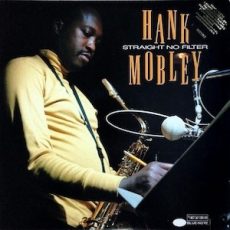
This morning’s album from the library is one of my favorites by tenor man Hank Mobley. Straight No Filter (BlueNote BST 84435) is a 1986 release of previously unreleased tracks culled from three sessions in 1963, 1965, and 1966. Hank composed all the tracks on this album. He’s joined by Donald Byrd (track: B3), Freddie Hubbard (B1,B2), and Lee Morgan (A1 to A3) on trumpet, Herbie Hancock (B3), Barry Harris (B1, B2), and McCoy Tyner (A1 to A3), Paul Chambers (B1, B2), Bob Cranshaw (A1 to A3), and Butch Warren (B3) on bass, Billy Higgins (A1 to B2), and Philly Joe Jones (B3) on drums. My copy is the U.S. Direct Metal Mastering stereo release.
The title track, Straight No Filter, kicks off the album with the rhythm section’s lively introduction to the ensemble’s melody. Hank launches into the opening statement. Lee maintains the spirited groove in the following solo, and then McCoy takes the energy to a new level. Hank and Lee exchange a few choruses, leading back to the theme and climax. Chain Reaction starts swiftly from the trio’s introduction into the front line’s uptempo theme. Tyner leads the way with an infectiously energetic solo. Morgan swings into the second solo with considerable zest and a bright tone, then Mobley soars briskly through the finale into the theme’s restatement and a slow fade.
Soft Impressions opens with the rhythm section setting a soothing mood for the quintet’s theme. Hank establishes a smooth and easy groove in the opening statement. Lee adds to the relaxing atmosphere in the second interpretation, and then McCoy’s closing solo is as refreshing as an oasis in the desert until the theme’s reprise and climax. Third Time Around begins the second side with Chambers’s introduction ahead of the group’s medium melody. Mobley gets right down to business in the lead solo, then Hubbard provides a beautifully executed statement. Harris provides a pleasantly relaxing reading next, and Chambers walks with a bluesy bounce before the closing ensemble exits.
Hank’s Waltz is a catchy blues that Barry introduces ahead of the ensemble’s entrance. Hank breaks the ice with an infectious swing, then Lee adds a spicy touch in the second solo. Barry further elevates the mood in the final statement, before the theme is revisited and the rhythm section gently fades out. The group serves up a delicious plate of Syrup and Biscuits for the album’s finale. After the engaging theme is established, Mobley fires up the joyful energy in the opening solo. Byrd maintains a cheerful vibe in the following performance. Both horns engage in a vibrant exchange preceding the closing chorus.
Alfred Lion produced the original sessions, and Michael Cuscuna produced this release. Rudy Van Gelder was behind the dials on each date. The album boasts an excellent soundstage, transporting the musicians to the sweet spot in your listening room. Mobley was one of the best tenor men in jazz, with an outstanding discography as both leader and sideman. If you enjoy hard bop, consider adding Straight No Filter by Hank Mobley to your list on your next vinyl hunt. It’s a delightful surprise featuring some excellent playing by Hank and his bandmates across three stellar sessions, making it a highly recommended addition to any jazz library!
© 2025 by Edward Thomas Carter

More Posts: choice,classic,collectible,collector,history,instrumental,jazz,music,saxophone

LATE NIGHT JAZZ JAM | AJF
Tribute To Churchill Grounds
Music Curated by Lil’ John Roberts & Russell Gunn
Hosted By Jamal Ahmad
Cover: $50.00
More Posts: adventure,bandleader,drums,festival,genius,jazz,music,preserving,trumpet

ATLANTA JAZZ FESTIVAL
The 48th annual Atlanta Jazz Festival will take place in Piedmont Park, Midtown Atlanta, on Memorial Day Weekend from May 24th ~ 26th. The festival is free and open to the public, offering a celebration of jazz music, culture, and art.
1:00pm ~ Brandon Woody | Trumpet
3:00pm ~ Tyreek McDole | Vocal
5:00pm ~ Charles McPherson | Saxophone
7:00pm ~ Dianne Reeves | Vocal
9:00pm ~ Joe Gransden Big Band | Trumpet
More Posts: adventure,bandleader,festival,genius,jazz,music,preserving,saxophone,travel,trumpet,vocal

ATLANTA JAZZ FESTIVAL
The 48th annual Atlanta Jazz Festival will take place in Piedmont Park, Midtown Atlanta, on Memorial Day Weekend from May 24th ~ 26th. The festival is free and open to the public, offering a celebration of jazz music, culture, and art.
1:00pm ~ Kenny Banks Jr. | Piano
3:00pm ~ Jarrod Lawson | Vocal, Piano
5:00pm ~ Ravi Coltrane | Tenor & Soprano Saxophone, Clarinet
7:00pm ~ Andromeda Turre | Vocal
9:00pm ~ Russell Gunn & Blackhawk | Trumpet
More Posts: adventure,bandleader,genius,instrumental,jazz,music,piano,saxophone,travel,trumpet,vocal