

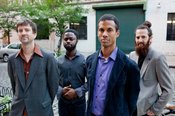
MARK TURNER QUARTET
Saxophonist Mark Turner has recorded over five dozen albums as a leader, member of a group and as a sideman. He brings his quartet to the club for a special week of music.
He released his first album as a leader in 2004 on ECM Records. It features trumpeter Avishai Cohen, bassist Joe Martin, and drummer Marcus Gilmore. Turner is a member of the trio Fly, with bassist Larry Grenadier, and drummer Jeff Ballard. He also appears in guitarist Gilad Hekselman’s Quartet, and drummer Billy Hart’s Quartet. Turner has recorded extensively with guitarist Kurt Rosenwinkel, saxophonist David Binney, and pianist Aaron Goldberg, among others. Turner, the ultimate jazz sideman, has played or collaborated with more than 45 jazz bands. In 2018 and 2019 alone he played on eight different jazz albums as a sideman or collaborator.
More Posts: adventure,club,genius,jazz,music,preserving,saxophone,travel
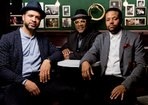
JASON MORAN & THE BANDWAGON
The Band: Jason Moran – piano | Tarus Mateen – bass, double bass | Nasheet Waits – drums
Moran worked with Greg Osby in his New Directions band and out of that band the trio that was formed became The Bandwagon. The trio performs many compositions of Moran’s and some by Mateen, along with those by Duke Ellington, Björk and Byard.
More Posts: adventure,club,genius,jazz,music,piano,preserving,travel
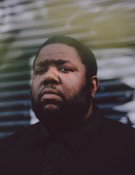
TYSHAWN SOREY TRIO
At 43, Tyshawn Sorey is an American composer, multi-instrumentalist, and professor of contemporary music. Sorey has received accolades for performances, recordings, and compositions ranging from improvised solo percussion to opera, with work in best-of lists for both classical and jazz music.
A Newark native, is among the most formidable denizens of the in-between zone. Here is an extraordinary talent who can see across the entire musical landscape.
More Posts: adventure,club,drums,genius,jazz,music,percussion,piano,preserving,travel,trombone
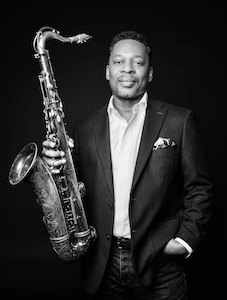
RAVI COLTRANE
He bears the name of jazz royalty, and he’s spent many hours curating, archiving and producing his parents’ recordings. But when he picks up his own saxophones, Ravi Coltrane blows an original and distinctly modern strain of jazz, distilling but never seeking to imitate his family’s adventurous improvising spirits. Now one of today’s top saxophonists.
The Band: Ravi Coltrane – Saxophone | Jonathan Finlayson – Trumpet | Luis Perdomo – Piano | Robert Hurst – Bass | Mark Whitfield Jr. – Drums
All Show Sold Out Except The 10:00pm Shows On Tuesday, Wednesday, Thursday & Sunday
More Posts: adventure,club,genius,jazz,music,preserving,saxophone,travel
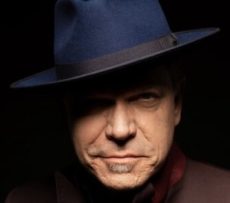
KURT ELLING SUPERBLUE AT UNION CHAPEL
Grammy winner Kurt Elling is without question today’s preeminent male jazz vocalist, renowned worldwide for his unparalleled virtuosity and flair for trailblazing artistic exploration.
From his stunning reinvention of timeless standards to his own captivating original songcraft, the Chicago-based musician has fused his dazzling talents across a panoply of musical approaches, emblazoning each with signature imagination, insight, and emotional intelligence.
He presents his stunning new LP, SuperBlue: The Iridescent Spree.
The follow up to 2021’s remarkable SuperBlue, the album once again sees Elling joining forces with producer/guitarist Charlie Hunter and multi-instrumentalist duo drummer Corey Fonville and bassist-keyboardist DJ Harrison for a kaleidoscopic collection of new songs, surprising covers, and dynamic reinventions.
More Posts: adventure,album,club,genius,guitar,jazz,music,preserving,travel,vocal