


MIKE CLARK, GARY BARTZ & EDDIE HENDERSON
More Posts: adventure,album,club,drums,festival,genius,jazz,museum,music,preserving,restaurant,saxophone,travel,trumpet
Requisites
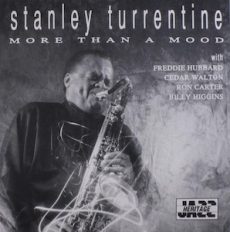
More Than a Mood ~ Stanley Turrentine | By Eddie Carter
After the enormous success of Sugar in 1971, tenor saxophonist Stanley Turrentine began moving in a different direction towards smooth jazz and jazz funk. Two decades later, he returned to his bop roots with three CD albums for the MusicMasters Jazz label. This morning’s discussion hit the stores in 1992. More Than a Mood (Jazz Heritage 913307A) puts the listener in mind of his sixties Blue Note LPs. On this date, he is working with a superb quartet, Freddie Hubbard on trumpet (track: A1) and flugelhorn (B3), Cedar Walton on piano, Ron Carter on Bass, and Billy Higgins on drums. My copy is the 1993 US Stereo release.
The first side gets underway with Thomasville by Tommy Turrentine (Stanley’s brother), with the rhythm section fueling the frontline’s invigorating melody. Stanley reaches a height of feisty excitement. Freddie follows with a scintillating performance; then Cedar delivers an exciting improvisation. Billy enters the spotlight with vigorous enthusiasm on the finale, leading to the closing chorus. They Can’t Take That Away From Me by George, and Ira Gershwin is a quartet highlight for Turrentine and the trio, who set the pace with a beautiful melody. Stanley applies a nostalgic touch to the opening solo with a splendid presentation. Cedar responds with a delicious interpretation ahead of the reprise and soft summation.
In a Sentimental Mood by Duke Ellington, Irving Mills, and Manny Kurtz is one of The Great American Songbook’s most recorded jazz and pop standards. The quartet’s rendition begins with a concise introduction by Cedar that opens the way for Stanley’s lovely melody and delicately gentle opening statement. Cedar is up next and delivers an elegant interpretation that’s a marvel to behold. Stanley returns with a few distinctive comments preceding the foursome’s delicately gentle climax. Easy Walker by Billy Taylor and Teddy Castion moves the quartet back to a medium tempo for Turrentine’s excellent execution of the melody and opening solo. Walton moves in next with an impressive statement, then Higgins takes care of business into the closing chorus and conclusion.
To begin Side Two, the quartet tackles the Bossa Nova song, Triste, by Antônio Carlos Jobim. The title’s definition in English is sad, and it’s one of Jobim’s best-known compositions. He first recorded it in 1967, and the quartet’s rendition begins and ends with two festive opening and closing choruses. Stanley and Cedar are the featured soloists, and both give spirited readings sustained by Ron and Billy’s groundwork. Pieces of Dreams by Alan Bergman, Marilyn Bergman, and Michael Legrand commences with the trio’s introduction segueing into Turrentine’s elegant theme and pretty thoughts on the opening reading. Walton carries the ball with a presentation of pure beauty leading to the ensemble’s ending theme.
Spirits Up Above by Rahsaan Roland Kirk brings back Freddie Hubbard and displays his flugelhorn at its most beguiling. The opening melody flows with the warm, mellow tones of the front line’s gentle message over the rhythm section. Turrentine is up first and crafts a reading as sweet as honey. Walton achieves a very intimate feeling on the second statement, and Hubbard infuses the closer with sentimental warmth into the quintet’s theme reprise and poetic fadeout. The title tune, More Than A Mood, by Frank Marino and Bill Simon, brings the album to a close with a slow tempo that affords Stanley the solo spotlight alone. The trio opens this song peacefully, and Stanley responds with a gorgeous melody and alluring statement culminating with a sensuously tender closing chorus and fading out of sight.
Joe Delia produced More Than a Mood, and the recording engineer was Jimmy Douglass. The record has superb sound quality, and the music is excellent throughout. Stanley dedicated this album to his brother Tommy and fellow saxophonists Don Byas and Rahsaan Roland Kirk, and it recaptures the spirit of his Blue Note records with inspired performances. If you’re new to the music of Stanley Turrentine or are already a seasoned fan, I invite you to check out More Than a Mood on your next vinyl hunt. Sadly, the record label Jazz Heritage no longer exists, so the album may be difficult to find, but it’s worth seeking out for a spot in your library and is sure to make you smile once you do!
~ More Than a Mood (MusicMasters Jazz 01612-65079-2), Wave (A&M Records SP-3002) – Source: Discogs.com ~ In a Sentimental Mood, They Can’t Take That Away From Me – Source: JazzStandards.com ~ Pieces of Dreams, Triste – Source: Wikipedia.org ~ © 2022 by Edward Thomas Carter

More Posts: choice,classic,collectible,collector,history,instrumental,jazz,music,saxophone

Daily Dose Of Jazz…
Helmut Brandt was born in Berlin Germany on January 1, 1931 and began singing in a church choir as a boy. He played violin from age ten before learning saxophone and guitar at a conservatory.
He began playing professionally in 1950 initially as a tenor saxophonist and clarinetist. Brandt switched to baritone in 1954 and led his own group.Through the end of the 1950s he worked in a Berlin radio dance band, and played in the orchestras of Lubo D’Orio and Kurt Widmann.
Baritone saxophonist Helmut Brandt, whose Mainstream Orchestra was popular in Berlin in the 1970s, transitioned from a heart attack on July 26, 2001.

More Posts: saxophone
Daily Dose Of Jazz…
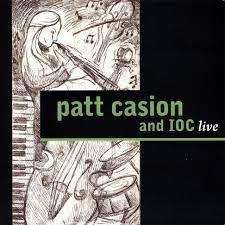
Patt Casion was born on December 31, 1963. She graduated from Berklee College of Music in Boston, Massachusetts and pursued a career that led her around the world, working in multiple genres. Along with playing with her own band, IOC with its rotating membership, she performed regularly in every kind of venue. Her versatility also made her an in-demand musical instructor.
Casion returned to the sound of the 50s and 60s, and introduced African based music into the post bop era music. Her music is also rooted in the Black church gospel idiom as she weaved improvisation into all her music.
Soprano saxophonist Patt Casion, who performed in both gospel and jazz genres, transitioned from cancer in Monterey, California on December 31, 2017. She was 55.

More Posts: bandleader,history,instrumental,jazz,music,saxophone
Three Wishes
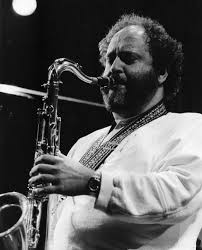
The Baroness asked Joe Farrell what his three wishes would be and his response was:
- “Money! And if I had that, it would satisfy the second and third wish.”

More Posts: bandleader,history,instrumental,jazz,music,saxophone