

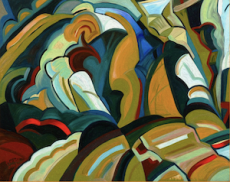
JOE ADERIES QUINTET
The Joe Anderies Quintet was formed from summer and fall yard concerts during 2020/21. From these sessions Joe pulled together a full on album project featuring the group and original compositions (influenced by Herbie Hancock, Wayne Shorter, Hubert Laws and Lyle Mays). From hard driving swing to Latin and contemporary sounds, the Joe Anderies Quintet will deliver a joyful and revitalizing experience! Don’t miss out on this special night.
Joe Anderies is a longtime Denver flutist, saxophonist and music educator. Over the years Joe has developed cutting edge jazz education programs for elementary through high school students. His vision to connect tradition with the young and upcoming players continues to grow as he enters his 5th year as a board member of the Colorado Conservatory for the Jazz Arts and his 23rd year in the organization as a teacher and advisor. Joe did his formal study at Colorado Mesa Univ, University of North Texas, Metro State Univ, and CU Boulder masters of music program. Joe has recorded and performed with artists such as Larry Coryell, Ron Miles, Chuck Lamb, Bennie Maupin and Rob Mullins.
Gonzalo Teppa – bass, Alex Heffron – guitar, Eric Gunnison – piano, Joe Anderies – alto flute, saxophone.
More Posts: adventure,club,festival,flute,genius,jazz,music,preserving,saxophone,travel
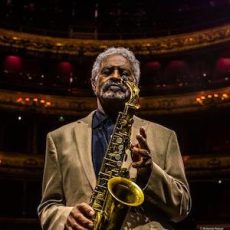
CHARLES MCPHERSON QUINTET
84th Birthday Celebration
Charles McPherson [alto saxophone]
Javon Jackson [tenor saxophone]
Amy Shook [bass]
Jeb Patton [piano]
Billy Drummond [drums]
For more than 60 years, saxophonist Charles McPherson has been one of the most expressive and highly regarded voices in jazz. His rich musical style, rooted in the blues and bebop, has influenced and inspired generations of musicians and listeners. Wynton Marsalis, a longtime admirer says: “Charles is the very definition of excellence in our music. He is the definitive master on this instrument. He plays with exceptional harmonic accuracy and sophistication. He performs free-flowing, melodic and thematically developed solos with unbelievable fire and an unparalleled depth of soul.”
A former member of Art Blakey’s Jazz Messengers who also put in time with such jazz giants, Javon Jackson keeps the fires burning for straight ahead jazz.
Amy Shook is one of the most in-demand acoustic bassists in the mid-Atlantic, coveted for her huge sound and infectious, driving groove. In addition to being a premier performing and recording artist, she is an accomplished multi-instrumentalist (playing acoustic bass, electric bass, violin, viola, and cello), composer and music educator.
Jeb Patton, described as both a “young phenomon… on piano” and an “absolute great,” has earned a well-regarded reputation in the international jazz community. The multi-talented Patton is known as a “player of great expression.”
Billy Drummond is acclaimed by Downbeat as one of the hippest and versatile bandleaders now at work, his thrilling, powerful and highly musical playing has also made him one of the most called-for sidemen of his generation.
More Posts: adventure,club,festival,genius,jazz,music,preserving,saxophone,travel
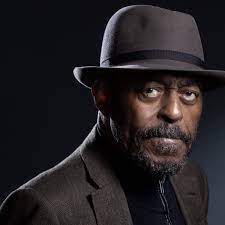
Three Wishes
The Baroness was having a conversation with Archie Shepp when she brought up the topic of three wishes and asked him what his would be. He responded by telling her:
- “To be free of poverty.”
- “I don’t know the next.”
- “To be free.”
*Excerpt from Three Wishes: An Intimate Look at Jazz Greats ~ Compiled and Photographed by Pannonica de Koenigswarter

More Posts: baroness,history,instrumental,jazz,music,pannonica,saxophone,three,wishes
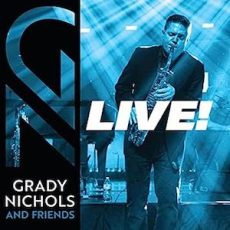
Daily Dose Of Jazz…
Grady Nichols was born on July 11th in Siloam Springs, Arkansas. He studied under legendary saxophonist Joe Davis during his high school years and was first exposed to jazz from listening to the Weather Channel. Growing up on a farm he would practice for hours at a time outside. After graduating from John Brown University with a degree in broadcasting, he moved to Tulsa, Oklahoma and became recognized for his mix of jazz and gospel music. Impressing the university staff so much, they let him keep a key to the Cathedral and practice whenever he wanted.
Over a career spanning two decades, Nichols has crafted seven highly acclaimed albums and performed extensively, opening for such luminaries as Luciano Pavarotti, Ray Charles, Al Green, Wayman Tisdale and The Beach Boys. A chance meeting with David Sanborn during his college years cemented his desire to become a professional saxophonist. It set him on a course of discovery.
Establishing his own unique sound he recorded his debut album in 1996, Between You and Me. Right after he released the album, Tulsa got a jazz station and they started playing him. Management followed as did more live performances and airplay. As his career gained momentum he played prestigious venues and in the studio he has worked with Chris Rodriguez, Jeff Lorber, Michael Omartian, Zac Maloy and David Hamilton.
Saxophonist Grady Nichols, who has recorded eight albums and has been on Billboard’s Jazz chart, continues to perform and record.

More Posts: bandleader,history,instrumental,jazz,music,saxophone
Requisites
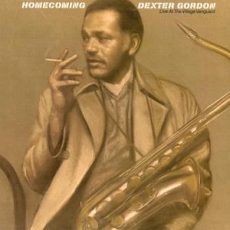
Homecoming – Live at The Village Vanguard ~ Dexter Gordon | By Eddie Carter
I’ve been a Dexter Gordon fan since childhood and saw him perform in an all-star jam session at The 1972 Newport Jazz Festival. In 1976, he returned to the US for an engagement at The Village Vanguard. Dexter received a warm welcome upon his arrival and played to sold-out crowds each night. This morning’s album from the library, Homecoming (Columbia PG 34650), finds Dexter effectively demonstrating he was still a master on the tenor sax. His bandmates on this live date are Woody Shaw on flugelhorn (tracks: A2, D1) and trumpet (A1, B1, B2, C1, C2, D2), Ronnie Matthews on acoustic piano, Stafford James on acoustic bass, and Louis Hayes on drums. My copy is the 1977 US Stereo release.
The album opens with Gingerbread Boy by Jimmy Heath. The front line leads the ensemble in a lively melody. Dexter is off to an adventurous start on the opening solo. Woody and Louis share the spotlight in the following reading; first, in a vigorous exchange; next, Woody takes the reins. Ronnie follows with an exciting closing statement ahead of the reprise. Gordon introduces Woody Shaw’s Little Red Fantasy, a dedication to his wife and manager, Maxine Gregg opens with the ensemble’s attractive melody. Gordon begins the opening solo affectionately, then gradually increases the intensity as it unfolds. Shaw comes behind him with a beautiful performance, then Matthews moves into the third reading elegantly. James walks the bass confidently until the ensemble’s delicate ending.
Fenja, Dexter Gordon’s touching tribute to his wife, begins Side Two with the quintet’s medium theme. Dexter takes the first solo at an easy swing, then builds to a happy groove. Woody adds a bit of home cooking in the following interpretation. Ronnie emerges next for a relaxing reading one can almost dance to, and Stafford eases into a delightfully personal statement preceding the ensemble’s closing chorus. In Case You Haven’t Heard by Woody Shaw picks up the pace for the rhythm section’s introduction and quintet’s melody. Gordon is up first with a lively interpretation; then Shaw engages in a vigorous conversation with Hayes. Matthews has the last spot and dispenses vibrant notes into the melody reprise and ending.
Side Three starts with It’s You Or No One by Sammy Cahn and Jule Styne. The saxophonist opens with an energetic introduction, succeeded by the quintet’s spirited melody. Dexter swings hard on the first solo. Woody comes in next for an enthusiastic romp, then Ronnie responds with a passionate improvisation. Louis provides a memorable exclamation point preceding a vibrant closing chorus. Let’s Get Down by Ronnie Matthews begins with his introduction segueing into the group’s peppy theme. Gordon kicks off the solos with an inspired improvisation; Shaw has much to say in the following statement. Matthews settles in for some straight-ahead swinging next, then James’ bass walks smoothly. Both horns share the finale with Louis before the quintet takes the song out.
‘Round Midnight is Thelonious Monk’s best-known and most recorded composition. It opens Side Four with Ronnie’s gentle introduction; then Dexter comes in for the tender theme, accented by Woody’s comments. Dexter continues with a delicately pretty opening solo. Woody delights with velvet smoothness in the following reading. Ronnie shows expressive artistry in the next statement. Dexter provides a final comment ahead of the ensemble’s summation. The rhythm section opens Dexter’s Backstairs with a brisk introduction to the quintet’s quick melody. Gordon gives the opening solo an energetic workout; then Shaw delivers a passionate intensity in the second statement. Matthews raises the temperature in a quick finale leading to the quintet’s climax, and Dex thanking the audience.
Michael Cuscuna produced Homecoming, and Malcolm Addey recorded it. The album has a splendid soundstage that transports the listener to the Village Vanguard’s intimacy as the musicians perform. If you’re a Dexter Gordon fan and are in the mood for an excellent live quintet date, I invite you to consider Homecoming for a spot in your library. It’s a jazz time capsule with many magical moments that not only rewards those in attendance but allows the listener to enjoy these outstanding performances each time it’s on the turntable!
~ Round Midnight – Source: JazzStandards.com © 2023 by Edward Thomas Carter

More Posts: choice,classic,collectible,collector,history,instrumental,jazz,music,saxophone