


DJAVAN
After a 13-year hiatus, one of the greatest icons of Brazilian music announces his return to the US for a major tour. Four-time Latin GRAMMY winner Djavan will present a brand-new show with his full band, featuring songs from his twenty-fifth studio album “D”, as well as major hits from his 45-year career. Aside from new hit songs like “Iluminado” and “Num Mundo de Paz”, the set list will also include major classics from Djavan’s legendary career, such as “Se”, “Flor de Lis”, ““Eu te Devoro”, “Samurai” and many others.
Djavan was born in Maceió, Alagoas, Brazil to a white father of Dutch descent and a black mother. He later formed the group Luz, Som, Dimensão (LSD – “Light, Sound, Dimension”), playing Beatles’ material. In 1973, Djavan moved to Rio de Janeiro and started singing soap opera soundtracks. His first album, A Voz, o Violão e a Arte de Djavan, was recorded in 1976 and included the hit song “Flor de Lis”. Stevie Wonder was a guest on the album Luz.
In 1999, his album Ao Vivo sold 1.2 million copies. In 2016, he was nominated for the 2016 Latin Grammy Awards in the Record of the Year, Album of the Year, Best Portuguese Language Song and Best Singer-Songwriter Album categories. Djavan’s compositions have been recorded by numerous musicians, including Al Jarreau, Carmen McRae and The Manhattan Transfer. His album Vesúvio was ranked as the 35th best Brazilian album of 2018 by the Brazilian edition of Rolling Stone magazine.
More Posts: adventure,album,club,festival,genius,jazz,museum,music,preserving,restaurant,travel,vocal
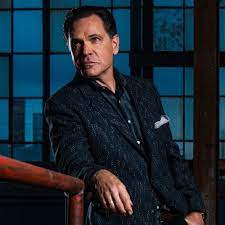
KURT ELLING FEATURING CHARLIE HUNTER
Grammy-winning vocalist Kurt Elling returns in style with an album of indelible beats, boisterous funk and unforgettable new lyrics in collaboration with co-producer and guitarist Charlie Hunter and a star-studded band with pianist Kenny Banks Jr., and Marcus Finnie on drums.
After scoring his second GRAMMY Award and 14th nomination in March 2021, the protean vocalist Kurt Elling hangs an unexpected left turn with SuperBlue for Edition Records. Elling has always been a master of grooves, ranging from bebop to pure pop and progressive jazz to neo-soul, but he’s never filled an album with grooves quite like these. Thanks to newly sprung melody and lyrics from Elling, along with Hunter & co.’s fresh grooves, SuperBlue features all-new songs, innovative takes on compositions from jazz lions Wayne Shorter and Freddie Hubbard, and a raw and stripped-down treatment of “The Seed,” a still-dynamic, decades-old riff on immortality written by Cody Chestnutt. There is even a slamming new version of a Tom Waits tune.
Early Show Doors: 5:00pm ~ 7:45pm (17:00~19:45 | Standing £27.50 | Restaurant £35~45
Late Show Doors: 8:15pm ~ 11:00pm (20:15~23:00) | Standing £27.50 | Restaurant £35~45
More Posts: adventure,album,club,festival,genius,jazz,museum,music,preserving,restaurant,travel,vocal
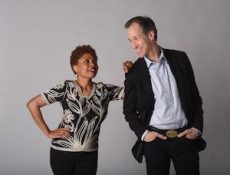
MARIA HOWELL & NOEL FRIEDLINE
Middle C Jazz 3rd Anniversary | Noel & Maria: The Very Best of Billy, Stevie, Elton and Ray with a twist of…
Noel & Maria: The Very Best of Billy, Stevie, Elton and Ray with a twist of Motown, Chicago, Sam Cooke, Luther Vandross, Donny Hathaway, Peter Cetera, Marvin Gaye, The Temptations, The Supremes, Martha Reeves & the Vandellas, The Four Tops, the Jackson 5, Gladys Knight, and more!
Friday ~ November 4 | 7:00pm & 9:15PM
Saturday ~ November 5 | 7:00pm & 9:15PM
More Posts: adventure,album,club,festival,genius,jazz,museum,music,piano,preserving,restaurant,travel,vocal
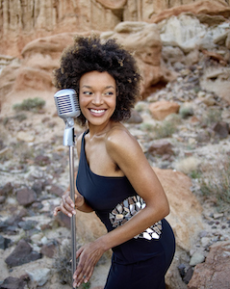
TAWANDA
With John DiMartino, Marco Panascia & Tim Horner
An official Resonance Records CD Release performance! The first 30 ticket buyers will receive a FREE copy of Tawanda Suessbrich-Joaquim’s newest release, “SMILE!”
Since she grew up in the Deep South to a mother from Germany and a father from Mozambique, her unique cultural DNA opened up her heart and mind to many worlds of music that are still an integral part of everything she sings.
Jazz is one form of music that transcends most other genres and has done so throughout the ages. Its complexity, off beat rhythms, sophistication and constant desire to improvise and evolve itself courses through its precious origins. Those traditions run deep within the soul of award-winning vocalist Tawanda Suessbrich-Joaquim and there is no greater gift than seeing her sing her story in full flight.
A vibrant mix of cultural heritages that underpin her every move, Tawanda was raised in the deep south of New Mexico on the border with Texas. She is proudly a first generation American with a mother from Germany and a father from Mozambique. That fusion of intoxicating backgrounds gave her access to music that many do not experience and which will forever stay in her heart.
Always looking forward, Tawanda delves deep into the worldwide Jazz scene and explores the multi-genre fusion that can be found in its paradise of riches. That desire to respect not only her peers but the origins of her name which translates as ‘we are more’ in a Bantu dialect called Shona, has embedded a deep-rooted desire within her to give back to those around her.
There is no better affirmation of her talent than winning the prestigious 2020 Sarah Vaughan Vocal Jazz competition. Now based in Los Angeles and with a whole host of performances that have enthralled audiences everywhere, Tawanda Suessbrich-Joaquim is set to soar on the wings of success.
More Posts: adventure,album,bass,club,drums,festival,genius,jazz,museum,music,piano,preserving,restaurant,travel,vocal
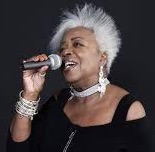
CAROL ANN TAYLOR
Love, Peace & Jazz! The Sunshine Jazz Organization is celebrating our 36th Season! Promoting America’s Precious Art form in South Florida Since 1986.
Join Sunshine Jazz Organization at the beautiful Sandrell Rivers Theater for a spectacular performance by the incomparable Carole Ann Taylor!
Carole Ann Taylor is a skillful interpreter of other people’s songs, she turns classic tunes like “You Can Have Him” by Nina Simone and “For All We Know” by Nat King Cole into poignant renditions, enriched by her own musical expression. “I am basically a singer of jazz standards,” says Taylor. “I evoke another time when people sat in clubs and listened to music.” But the nostalgia stops there. In contrast to her role as a soul singer, Taylor is progressive in her personal experiences. The balance between conviction and experimentation in her jazz singing voice is a natural extension of her speaking voice. And yet there is so much more.
COVID-19 Protocol & Practices: Read our guidelines: https://www.sandrellriverstheater.com/reopening
ADA Accommodations: It is our policy to comply with all of the requirements of the Americans with Disabilities Act. To request materials in accessible format, and/or any accommodation to attend any Fantasy Theatre Factory event, please contact Evelyn Gigiras Sullivan, 305-284-8800, evelyn@ftfshows.com, at least five (5) days in advance to initiate your request, TTY users may also call 711 (Florida Relay Service).
*Ticket sales are FINAL and subject to venue facility fees.
For more information contact the Box Office at (305) 284-8872 or boxoffice@ftfshows.com
More Posts: adventure,album,club,genius,jazz,museum,music,preserving,restaurant,travel,vocal