


Conversations About Jazz & Other Distractions
Conversations About Jazz Celebrates LOVE
in Pre-Valentine’s Show on February 11
Hammonds House Digital invites you and your Valentine to join us for Conversations About Jazz & Other Distractions hosted by former jazz radio host and founder of Notorious Jazz, Carl Anthony. On Thursday, February 11 at 7:30 pm (EST), Carl and his guests: Sweet Lu Olutosin, Nicole Henry, and Tony Hightower will discuss and share music around the theme of celebrating love. It’s sure to be a lively and romantic evening! Conversations About Jazz comes out twice a month – on the second and fourth Thursdays. The program is free and will stream on Hammonds House Museum’s Facebook and YouTube channels. For more information about upcoming virtual events visit hammondshouse.org.
Atlanta-based internationally acclaimed Jazz vocalist and recording artist Sweet Lu Olutosin’s music consistently displays a unique and energetic creativity. As a youngster Sweet Lu’s goal was to be an uninhibited singer using a mix of jazz, blues, and gospel to make music with the message of soulful, spiritual healing. This goal remains as he channels everything from Al Jarreau, Joe Williams, Lou Rawls, Eddie Jefferson, and John Lee Hooker in his performances creating his own unique vocal style. Sweet Lu’s latest Grammy-contending release, “Meet me at the Crossroads,” debuted at number four on the Billboard Jazz Albums Charts, just behind Gregory Porter and Norah Jones. During its next three weeks, it rose to number one on the Billboard Traditional Jazz Albums Charts. For more information: sweetlumusic.com.
Since her debut in 2004, Nicole Henry has established herself as one of the jazz world’s most esteemed performers, possessing a potent combination of dynamic vocal abilities, impeccable phrasing, and emotional resonance. Her passionate, soulful voice has earned her a Soul Train Award for Best Traditional Jazz Performance and three Top 10 U.S. Billboard and HMV Japan jazz albums. Heralded by The New York Times, The Japan Times, Jazz Times, Essence and more, she tells real stories through unparalleled interpretations of repertoire from the American Songbook, classic and contemporary jazz, popular standards, blues, and originals. She has recorded with some of today’s musical greats including Kirk Whalum, Julian Lage, Gerald Clayton and Gil Goldstein. In 2019, Ms. Henry returned to the theatrical stage and garnered critical praise in the musical The Bodyguard. For more information: nicolehenry.com.
The art of cool has been wayward since artists like Nat King Cole, Frank Sinatra, Mel Tormé, Miles Davis and John Coltrane left the scene. As represented by these legends of jazz, cool is a state of mind, an attitude of confidence in one’s craft. Jazz artist Tony Hightower encompasses a new age of cool that is part homage and part regeneration. He emulates the timelessness of the classics without the kitsch and injects his own interpretations. His Grammy-nominated release, “The New Standard,” is a nod to the sounds of big band and vocal jazz, a sonic bridge between contemporary and purist forms. Working with The HC3 and The Good Times Brass Band on the album, he maintained the deep, historical roots, neat vocal styling, multipiece instrumentation, scat, and swing elements of jazz. For more information: tonyhightowerstandard.com.
Hammonds House Museum is generously supported by the Fulton County Board of Commissioners, Fulton County Arts and Culture, the City of Atlanta Mayor’s Office of Cultural Affairs, The Community Foundation for Greater Atlanta, The National Performance Network, AT&T and WarnerMedia.
Hammonds House Museum’s mission is to celebrate and share the cultural diversity and important legacy of artists of African descent. The museum is the former residence of the late Dr. Otis Thrash Hammonds, a prominent Atlanta physician and a passionate arts patron. A 501(c)3 organization which opened in 1988, Hammonds House Museum boasts a permanent collection of more than 450 works including art by Romare Bearden, Robert S. Duncanson, Benny Andrews, Elizabeth Catlett, Jacob Lawrence, Hale Woodruff, Amalia Amaki, Radcliffe Bailey and Kojo Griffin. In addition to featuring art from their collection, the museum offers new exhibitions, artist talks, workshops, concerts, poetry readings, arts education programs, and other cultural events throughout the year.
Located in a beautiful Victorian home in Atlanta’s historic West End, Hammonds House Museum is a cultural treasure and a unique venue. During the COVID-19 pandemic, they continue to observe CDC guidelines, but look forward to welcoming in-person visitors soon! For more information about upcoming virtual events, and to see how you can support their mission and programming, visit their website: hammondshouse.org.
MEDIA: For more information, contact Karen Hatchett at Hatchett PR, karen@hatchettpr.com.
More Posts: conversations,history,instrumental,jazz,musicians,vocal

The Quarantined Jazz Voyager
My social distancing and masks continues amidst the on-going vaccinations. This week the album I’m puting on the turntable is an album from a member of a family who are vocal royalty. The album is a 2018 titled My Mood Is You by Freddy Cole.
Recorded on the HighNote label The album features Cole’s working band. Arrangements are by Randy Napoleon and John DiMartino. This album received a nomination for a Grammy Award for Best Jazz Vocal Album on December 7, 2018.
Track List | 47:08- My Mood Is You ~ 5:47
- Temptation ~ 4:55
- Almost In Love ~ 5:39
- I’ll Always Leave The Door A Little Open ~ 5:45
- First Began ~ 6::21
- The y Didn’t Believe Me ~ 4:34
- My Heart Tells Me ~ 6:32
- The Lonely One ~ 5:12
- Love Like This Can’t Last ~ 4:17
- Marie ~ 3:20
- Freddy Cole ~ piano, vocal
- Randy Napoleon ~ guitar
- Elias Bailey ~ bass
- Quentin Baxter ~ drums
- John DiMartino ~ piano
- Joel Frahm ~ tenor saxophone
This pandemic is here for the long haul. In the meantime, stay vigilant, wear masks and remain healthy and we’ll all be jet setting sooner than we think.

More Posts: adventure,album,club,genius,jazz,museum,music,piano,preserving,restaurant,travel,vocal
Requisites
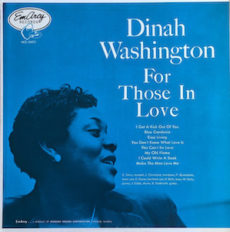
For Those In Love ~ Dinah Washington | By Eddie Carter
To the singer of jazz ballads, standards, or contemporary hits, a song is comprised of three essential parts, melody, harmony, and rhythm. When all three elements are mixed, and enhanced by great arrangements and musicians, the result is an enriching music experience. This morning’s choice from the library is by Dinah Washington, a vocalist who sang the blues, jazz, pop, and R&B proficiently. The album is For Those In Love (EmArcy MG 36011), recorded and released in 1955. She’s joined on this date by Clark Terry on trumpet, Jimmy Cleveland on trombone, Paul Quinichette on tenor sax, Cecil Payne on baritone sax, Wynton Kelly on piano, Barry Galbraith on guitar, Keter Betts on bass, and Jimmy Cobb on drums. The arrangements are by Quincy Jones and my copy used in this report is the second 1955 US Mono release featuring the silver Mercury Records oval at the noon position of the label with EmArcy Jazz appearing in the bottom of the oval.
The opener is I Get a Kick Out of You, written by Cole Porter for the 1934 Broadway musical, Anything Goes, and the octet gets right to work on this swinger. Dinah has the spotlight first and gives a splendidly entertaining improvisation. Jimmy follows, having a ball on a spirited statement, then Kelly displays impeccable chops on a relaxed reading. Clark comes in for some savory swinging with a mute on the closing solo, and Dinah handles the finale with great effectiveness leading the group into a slow fade. Blue Gardenia by Lester Lee and Bob Russell was composed for the 1953 crime drama, The Blue Gardenia. It became a signature song for Dinah and the octet offers a supporting role behind her delicately subtle narrative. Quinichette gives a brief statement of tenderness, then Galbraith offers a solo of soft tranquility. Payne has a moment in the spotlight adding a dreamlike softness to the closing solo. Dinah wraps up the song with emotional sensitivity on the climax.
Easy Living by Ralph Rainger and Leo Robin was the main theme of the 1937 comedy of the same name. The group provides a perfect complement to Dinah’s luxurious vocals on the opening chorus, and the solo order is Paul, Clark, and Jimmy. The first two readings are like delicate porcelain figurines, perfectly proportioned and translucent. The pace picks up slightly for the trombonist who plays the next interpretation with sensual beauty. Ms. Washington is especially attractive on the reprise with a velvety, smooth timbre in her voice that’s gorgeous. You Don’t Know What Love Is by Gene de Paul and Don Raye is a perfect song for film-noir. The haunting lyrics describe the hurt and sadness at the end of a love affair. It opens with a solemn introduction by Dinah and Galbraith. She captures the subtle pathos of the song with the octet’s soft supplement. Cleveland provides the song’s only solo with a graceful and elegant interpretation before Dinah returns to the melancholy mood of the beginning.
This Can’t Be Love by Richard Rodgers and Lorenz Hart was written in 1938 and featured in the Broadway musical, The Boys From Syracuse. The mood is jubilant, and Dinah rises to the occasion with a vivacious vocal treatment. Clark’s muted trumpet sets a lively mood on the first solo. Cecil is up next with an energetic performance of his own. Jimmy mines a vein of unsuspected riches on the third statement, then Paul delivers a delightful interpretation. Kelly cooks up a mesmerizing musical brew before Dinah sings the closing chorus. My Old Flame by Arthur Johnston and Sam Coslow made its debut in the 1934 film, Belle of The Nineties. Dinah begins this tune as a duet with Galbraith preceding the rhythm section’s slow-tempo theme. She’s the dominant presence here and presides with authority, as she recounts her lost love some time ago in a reflective flashback. The horns make their presence known for the closing chorus with Dinah giving it the recognition it deserves.
The 1940 show tune by Rodgers and Hart, I Could Write A Book gets taken for a mid~tempo spin by Ms. Washington and the ensemble. The octet starts the song in unison for the introduction, then Dinah treats the listener to an effervescent vocal performance on the melody. Paul starts with a passionately playful lead solo. Terry adds some fire on the muted trumpet, then Cleveland ends the solos on an upbeat note. The album’s finale, Make The Man Love Me is by Arthur Schwartz and Dorothy Fields. Quinichette opens with a seductive introduction, then Dinah makes a passionate romantic plea with the lyrics. Paul takes the lead with a remarkably graceful solo, then Terry turns in a beguilingly beautiful statement. Kelly approaches the next performance with affective empathy and Cleveland soothes the soul on the closer. Dinah sings two verses of the Duke Ellington–Paul Francis Webster classic, I Got It Bad (and That Ain’t Good) before returning to the original lyrics for the coda.
It’s a solid summation to an album sparkling with marvelous music, exciting, evocative solos, excellent arrangements, and the extraordinary vocals by Dinah Washington that are exceptionally presented. She brought the lyrics she sang to life in each song. The Queen of The Blues, a title she gave herself, recorded a total of thirty-three LP’s for EmArcy, Mercury, and Roulette during her short recording career that began in 1952 and lasted only eleven years. Though her greatest hit, What a Difference a Day Makes came four years later in 1959, For Those In Love would become one of the strongest albums of her career. Dinah passed away from a drug overdose on February 14, 1963, at the age of thirty-nine. This is a gorgeous recording with a splendid soundstage that’ll take your breath away each time you listen. I found For Those In Love to be thoroughly enjoyable and recommend it as a wonderful starting point for any fan interested in exploring the music of Dinah Washington. After one audition, I’m sure you will too! ~ What a Difference a Day Makes (Mercury MG 20479/SR-60158) – Source: Discogs.com
~ I Get a Kick Out of You, Easy Living, My Old Flame, I Could Write a Book, I Got It Bad (and That Ain’t Good) – Source: JazzStandards.com ~ Blue Gardenia, Dinah Washington, Make The Man Love Me – Source: Wikipedia.org © 2021 by Edward Thomas

More Posts: choice,classic,collectible,collector,history,instrumental,jazz,music,vocal
The Quarantined Jazz Voyager
Adapting and accepting the mask wearing, social distancing and self-quarantining has made life so much easier from this jazz voyager’s perspective. As we experience continued spikes in the coronavirus as the vaccine is rolled out, we still need to make the conscious effort to do our individual part to stave the spread.
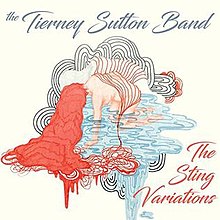
So continuing my uninterrupted time to kick back, relax and listen to music, the album I have chosen The Sting Variations by vocalist Tierney Sutton. The recording session was arranged and produced by Trey Henry at LAFX Recording Services, The Doghouse Studio in May 2016, and released on September 9, 2016 for BFM Records.
The album was engineered and mixed by Zackary Darling, mixed and mastered by Michael Aarvold– mastering, mixing and earned the Tierney Sutton Band a Grammy Award nomination for Best Jazz Vocal Album.
Track List | 67:00- Driven To Tears ~ 5:47
- If You Love Somebody Set them Free ~ 5:53
- Seven Days ~ 6:17
- Shadows In The Rain ~ 4:37
- Walking In Your Footsteps ~ 3:50
- Fragile/Gentle Rain (Sting/Luis Bonfa/Matt Dubey) ~ 4:37
- Message In A Bottle ~ 4:27
- Fields Of Gold ~ 4:45
- Fortress Around Your Heart ~ 4:04
- Language Of Birds (Sting/Rob Mathes) ~ 5:09
- Every Little Thing He Does Is Magic ~ 3:02
- Every Breath You Take ~ 4:46
- Synchronicity ~ 4:11
- Consider Me Gone ~ 5:35
- Tierney Sutton – vocals
- Christian Jacob – piano
- Ray Brinker – drums, percussion
- Kevin Axt – double bass
- Trey Henry – double bass, bass guitar
This pandemic is here for the long haul. In the meantime, stay vigilant, wear masks and remain healthy and we’ll all be jet setting sooner than we think.
More Posts: adventure,album,club,genius,jazz,museum,music,preserving,restaurant,travel,vocal
Three Wishes
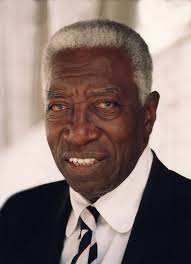
Pannonica had the opportunity to query three wishes from Joe Williams and he told her:
- “I wish everyone could be happy.”
- “Since God’s given me the tenor, I’d like to sing the things I want to sing, with the apropos background.”
- “I wish that there would be as much publicity about the jazz musicians that support their families as there is about their failings. And that’s ninety-five percent of them, support their families.”
*Excerpt from Three Wishes: An Intimate Look at Jazz Greats ~ Compiled and Photographed by Pannonica de Koenigswarter

More Posts: baroness,history,instrumental,jazz,music,pannonica,three,vocal,wishes