


Requisites
The Waiting Game ~ Tina Brooks | By Eddie Carter
Tina Brooks enters this morning’s spotlight with what would be his final album, The Waiting Game (Blue Note TOCJ-66075). He recorded exclusively for Blue Note over three years as a leader and sideman, but only one of his records, True Blue, would be released during his lifetime. This morning’s album initially hit the Japanese stores in 1999 as a CD album and reached the US a few years later. Joining the tenor saxophonist is a superb supporting cast: Johnny Coles on trumpet, Kenny Drew on piano, Wilbur Ware on bass, and Philly Joe Jones on drums. My copy is the 2021 Blue Note Tone Poet Series Stereo audiophile reissue (BST-40536).
Side One starts with Talkin’ About, the first of five tunes by Tina Brooks. The rhythm section’s introduction segues into the quintet’s easygoing melody. Johnny has the first relaxing solo; and then Tina delivers the next message comfortably. Kenny follows with a laid-back reading, and Wilbur goes for an easy stroll into the ensemble’s reprise. One For Myrtle picks up the pace significantly from Philly’s brief introduction to the group’s brisk theme. Tina launches the solos; then Johnny shows his energetic exuberance next. Kenny follows with a sizzling reading. Wilbur is up next with a quick flight, and Philly turns in an exciting finale ahead of the theme’s restatement and abrupt ending.
Dhyana opens with the ensemble swinging easily on the danceable melody. Tina gets things going with a splendid opening statement. Johnny follows with a delightful reading, and Kenny closes with an exceptional solo. The quintet’s closing chorus features a brief comment by Wilbur just before the climax. Side Two comes to life with the front line and Philly collaborating in the introduction to David The King ahead of the quintet’s Middle Eastern theme. Johnny takes the song’s first stirring solo. Tina sails smoothly into the second statement. Kenny delivers a dazzling reading of his own, and Wilbur takes a short, satisfying walk toward the song’s conclusion.
Stranger In Paradise by Chet Forrest and Robert Craig Wright begins with a brief introduction by Philly that blossoms into Tina and the rhythm section stating the melody. Johnny steps up first with an impressive statement. Tina swings skillfully next, and Kenny glows brightly on the closer, leading to the reprise and gentle fadeout. The Waiting Game kicks off with the ensemble’s invigorating beat to the melody. Tina blows with feeling in the first solo spot, paving the way for Johnny’s spontaneous ideas that flow constantly. Kenny ends with a few marvelously executed ideas before the theme’s restatement and abrupt halt.
Alfred Lion produced the original session, and Rudy Van Gelder was the recording engineer. Joe Harley produced the audiophile reissue, and Kevin Gray mastered this album. The reissue’s sound quality is amazing, with a stunning soundstage and excellent dynamics. The pressing is extremely quiet until the music starts. The gatefold photos are breathtaking and worthy of hanging on your wall. The front and rear covers are gorgeous, and the use of 180-gram audiophile vinyl is the icing on the cake. If you’re in the mood for an excellent album by one of the best, underrated tenor saxophonists, I invite you to check out The Waiting Game by Tina Brooks on your next record-shopping trip. It’s a great album if you love jazz and are a hard-bop fan that’s highly recommended for a spot in your library!
~ True Blue (Blue Note BLP 4041/BST 84041) – Source: Discogs.com ~ Stranger In Paradise – Source: Wikipedia.org © 2023 by Edward Thomas Carter

More Posts: choice,classic,collectible,collector,history,instrumental,jazz,music,saxophone

Requisites
Peer Pressure ~ Brian Lynch Sextet | By Eddie Carter
This morning’s discussion is about a flugelhorn (track: B2) and trumpet (tracks: A1 to A3, B1, B3) player named Brian Lynch, who I first heard on Chippin’ In by Art Blakey and The Jazz Messengers. Peer Pressure (Criss Cross Jazz 1029) by The Brian Lynch Sextet is Lynch’s debut, and he was born in Urbana, Illinois. He grew up in Milwaukee and got a degree from the Wisconsin School of Music. Brian’s played with quite a few jazz greats and currently is a faculty member of New York University, the North Netherlands Conservatory, and the University of Miami. The other members of the ensemble are Jim Snidero (tracks: A1, A3, B2, B3) on alto sax, Ralph Moore (A1, A3, B1, B2) on tenor sax, Kirk Lightsey on piano, Jay Anderson on bass, and Victor Lewis on drums. My copy is the 1987 Netherlands Stereo release.
Side One starts with the trio’s carefree introduction to Thomasville by Tommy Turrentine. The horns take over to deliver the melody in unison. Jim is up first with a delightfully cheerful solo; then Brian takes a comfortable stroll. Ralph takes care of business next, and Victor concludes with an exchange with each horn ahead of the reprise and ending. Benny Golson’s Park Avenue Petite is a quartet highlight that opens with Lightsey’s introduction, segueing into Lynch’s elegantly touching theme and opening statement. Lightsey follows with a sensuously tender interpretation before Lynch infuses the finale with sentimental warmth, leading to a gentle, nostalgic ending.
The title tune, Peer Pressure by Brian Lynch, takes off at a fast clip from the sextet’s brisk introduction and theme. Brian opens with a lively statement, and then Jim takes a high-spirited romp. Ralph swings with authority next. Kirk follows with an excellent reading and shares the finale with Victor, preceding the ending theme and exit. The Outlaw by Horace Silver begins Side Two with the ensemble easing back the throttle in their introduction and melody. Lynch gets busy on the opening statement. Moore adds a bit of joy in the second interpretation, and Lightsey has a few things to say preceding the theme’s return.
Brian Lynch’s Change of Plan shows off the leader’s softer side and features him on flugelhorn for the sextet’s pretty melody. Brian opens with an eminently disciplined solo. Jim and Ralph share the next statement; then Jay gives a beautiful reading. Kirk has the last word with a tasteful comment into the reprise and soft conclusion. Lynch’s ‘Nother Never closes the album at a breakneck pace from the start of the ensemble’s melody. Snidero tears into the opening solo vigorously; then Lynch moves like a whirlwind in the following statement. Lightsey takes an exhilarating turn next, and Lewis engages in a rapid exchange with the front line before the close.
Gerry Teekens produced Peer Pressure, and Rudy Van Gelder was behind the dials of this digital recording. The sound quality is excellent, with a stunning soundstage throughout the highs, midrange and bass that isn’t thin or harsh. Brian Lynch recorded twenty-one albums as a leader and collaborated with Eddie Palmieri on eleven others. If you’re seeking an album with excellent musicians and enjoyable tunes, I invite you to audition Peer Pressure by The Brian Lynch Sextet on your next record shopping trip. It’s quickly become a favorite of mine and will feel right at home in your library with each listen!
~ Chippin’ In (Timeless SJP 340) – Source: Discogs.com ~ Brian Lynch – Source: Album liner notes by Mike Hennessey, Wikipedia.org © 2023 by Edward Thomas Carter
CD Bonus Track: I Concentrate On You
More Posts: choice,classic,collectible,collector,history,instrumental,jazz,music,trumpet
Requisites
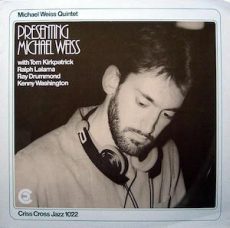
Presenting Michael Weiss ~ Michael Weiss Quintet | By Eddie Carter
It’s always a pleasure when I discover a new pianist, and this morning’s subject is a recent addition to my library by a young man named Michael Weiss. Presenting Michael Weiss (Criss Cross Jazz 1022) is his first album as a leader and was released in 1986. Michael was born in Dallas, Texas, and began studying music at Indiana University, where he earned his degree. Michael later moved to New York, where he played with Jon Hendricks and as a sideman in some of the best jazz groups. He’s joined here by Tom Kirkpatrick on trumpet, Ralph Lalama on tenor sax, Ray Drummond on bass and Kenny Washington on drums. My copy is the original Netherlands Stereo album.
My Melancholy Baby by Ernie Burnett and George A. Norton starts with the quintet’s mid-tempo theme. Tom leads off with a relaxing interpretation. Ralph gets to the song’s heart in the next reading. Michael responds with a comforting solo. Ray makes a concise comment, and the front line engages in a conversation ahead of the finale. Washington introduces the pianist’s Après Vous, segueing into the ensemble’s brisk melody. Lalama takes the song’s first energetic flight, followed by Kirkpatrick’s dazzling tone in the second solo. Weiss heads to new heights next, and Washington delivers the finale in an exchange with both horns until the conclusion.
Enigma is a beautiful ballad by J.J. Johnson that Michael brings to life with a passionately tender introduction, which blossoms into the song’s gorgeous opening chorus. The pianist has the spotlight to himself in the song’s only solo and delivers an exceptionally gentle reading preceding the ensemble’s delicate climax. Side Two starts with the tempo moving back upward for Tom Kirkpatrick’s blues, B.G.O. After the quintet’s leisurely paced theme, Kirkpatrick establishes a happy groove on the opening solo. Lalama returns the compliment on the next reading, and then Weiss takes a delightful turn. Washington shares the finale with the front line, leading to the reprise and finish.
Riverbed by Joe Zawinul is a very pretty song and the album’s only trio performance. Michael takes the lead on the melody and opening statement. Ray comes in next for a few flowing lines, and Kenny keeps perfect time in the closer before the trio takes the song out. Gallop’s Gallop is one of Thelonious Monk’s little-known tunes, and the quintet pays homage to him with a quirky melody reminiscent of Monk himself. Weiss steps up first for a delightful performance, and then Kirkpatrick has a bit of fun on the following solo. Lalama serves up a delicious reading next. Drummond takes a short walk with the bass, and Washington provides the final treat into the closing chorus.
Gerry Teekens produced Presenting Michael Weiss, and Rudy Van Gelder was the recording engineer. The album’s sound quality is excellent, with an outstanding soundstage that’s stunning from start to finish and gives the listener the best seat in the house as the musicians are playing. Michael Weiss recorded five releases as a leader and appeared on just a few more as a sideman. However, if you’re in the mood for post-bop and are a jazz piano fan, I invite you to check out Presenting Michael Weiss on your next record-shopping trip. It’s a wonderful album of great playing and tight musicianship that’s sure to whet any jazz fan’s appetite to hear more!
~ My Melancholy Baby – Source: JazzStandards.com © 2023 by Edward Thomas Carter
More Posts: choice,classic,collectible,collector,history,instrumental,jazz,music,piano
Requisites
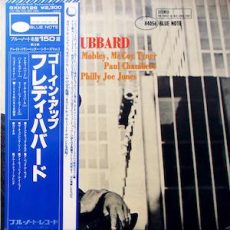
Goin’ Up ~ Freddie Hubbard | By Eddie Carter
Submitted for your approval to begin this morning’s discussion is a marvelous release by Freddie Hubbard, Goin’ Up (Blue Note BLP 4056/BST 84056). It hit the stores in 1961 and is the trumpeter’s follow-up to his debut, Open Sesame, a year earlier. Pianist McCoy Tyner was on that earlier album and is back for Hubbard’s second effort. The remaining members of this excellent ensemble are Hank Mobley on tenor sax, Paul Chambers on bass, and Philly Joe Jones on drums. My copy is the 1979 Blue Note Masterpiece Selection Series Japanese Stereo reissue (BST 84056 – GXK 8126) by King Record Company.
Side One kicks off with Asiatic Raes by Kenny Dorham. Philly Joe makes the introduction, segueing into the quintet’s brisk melody. Freddie starts things off with a vigorous solo; then Hank proceeds with passionate fire next. McCoy responds enthusiastically, followed by Paul’s splendid bass lines. The closing statement is a lively exchange between Philly Joe and Freddie ahead of the quintet’s fade out. Hank Mobley’s The Changing Scene begins with the front line’s collective melody. Hank opens with a laid-back reading, then gives way to Freddie’s leisurely pace next. McCoy takes the final interpretation preceding the theme’s restatement.
Karioka by Kenny Dorham is an uptempo joyride that swings from the ensemble’s opening chorus into Freddie taking charge in the first interpretation. Hank is right on his heels, and then McCoy comes in for a spirited statement. Philly Joe ends with a fierce attack until the ending theme dissolves slowly. Side Two kicks off with A Peck A Sec by Hank Mobley. The group gets right to work on the upbeat melody. Freddie launches into a lively opening statement; then Hank ignites the second reading. McCoy raises the temperature in an exciting performance. Philly takes over for a short solo leading to the song’s finish.
I Wished I Knew by Billy Smith is the album’s only ballad, and McCoy introduces it softly, ahead of Freddie’s tender melody. Hank opens the solos with a poignantly beautiful interpretation. McCoy follows with a delicately pretty solo, then Paul gives a thoughtfully sensitive statement, and Freddie adds a gentle comment preceding a reflective ending. Blues For Brenda is Freddie’s tribute to his wife, and the trio makes the introduction ahead of the quintet’s relaxing theme. Freddie takes the first solo; then Hank steps into the spotlight. McCoy is up next, and Paul walks comfortably toward the ensemble’s conclusion.
Alfred Lion produced Goin’ Up, and Rudy Van Gelder was the recording engineer. The reissue’s sound quality is stunning, with an outstanding soundstage that transports the musicians to the sweet spot of your listening room. Freddie Hubbard would become one of the best jazz trumpeters during the sixties and a name to be reckoned with. His Blue Note albums as a leader and sideman are considered some of the best in his discography. For those seeking an excellent example, I invite you to check out Goin’ Up by Freddie Hubbard. It’s a tremendous album you won’t be able to listen to just once and definitely merits consideration for a spot in any jazz library!
~ Open Sesame (Blue Note BLP 4040/BST 84040) – Source: Discogs.com © 2023 by Edward Thomas Carter

More Posts: choice,classic,collectible,collector,history,instrumental,jazz,music,trumpet
Requisites
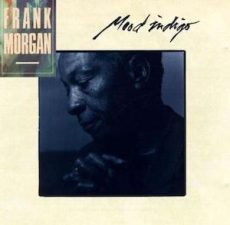
MOOD INDIGO | FRANK MORGANMood Indigo is an album recorded by saxophonist Frank Morgan on June 26 & 27, 1989. It was released on the Antilles label. It was recorded at RCA Recording Studios, Studio C in New York City.
The altoist contributed two compositions among the twelve he selected among the array of standards by the best in the business. Being members of the quintet that Morgan put together for this date, Cables and Williams were also invited to contribute one song each.
Morgan chose not to drag out the album with lengthy solos, rather opting to deliver an honest and sensitive interpretation of these popular songs. This approach kept the album under an hour.
SONGS | 49:03- Lullaby (George Cables) – 1:29
- This Love Of Mine (Hank Sanicola, Sol Parker, Frank Sinatra) – 6:36
- In A Sentimental Mood (Duke Ellington) – 4:18
- Bessie’s Blues (John Coltrane) – 8:59
- A Moment Alone (Buster Williams) – 1:46
- Mood Indigo” (Ellington) – 5:59
- Up Jumped Spring (Freddie Hubbard) – 4:58
- Polka Dots and Moonbeams (Jimmy Van Heusen, Johnny Burke) – 4:29
- We Three Blues (Frank Morgan) – 6:55
- ‘Round Midnight (Thelonious Monk) – 6:55
- Lullaby (Cables) – 1:36
- Gratitude (Morgan) – 0:35
- Frank Morgan – alto saxophone, voice (tracks 1–4 & 6–12)
- Wynton Marsalis – trumpet (tracks 4 & 6)
- George Cables (tracks 1, 3, 8, 10 & 11), Ronnie Mathews (tracks 2, 4, 6 & 7) – piano
- Buster Williams (tracks 2, 4–7, 9 & 10) – bass
- Al Foster (tracks 2, 4, 6, 7, 9 & 10) – drums
- John Snyder – producer
- Joe Lopes – engineer
More Posts: choice,classic,collectible,collector,history,instrumental,jazz,music,saxophone