

Requisites
The Duke Ellington Song Book ~ Monty Alexander | By Eddie Carter
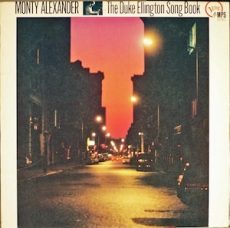
This morning’s selection from the library is by one of my favorite pianists. The Duke Ellington Song Book (MPS Records 821 151-1) by Monty Alexander is a sincere tribute to one of jazz’s legendary composers in a duet setting. Monty was born on June 6, 1944, in Kingston, Jamaica, and he discovered the piano at age four. He could pick out melodies by ear and became interested in jazz piano at fourteen. He attended DeCarteret College in Mandeville, then continued his education at Jamaica College. He later began playing in clubs and recording with Clue J & His Blue Blasters, subbing for his hero, Aubrey Adams, when he was unable to play. Monty Alexander is heard here on a Steinway Concert Grand Piano, and John Clayton is on bass. It was initially released in Germany, and my copy of this album is the 1984 U.S. Stereo release (Verve – MPS Series 821-151-1).
The album opener, I Let A Song Go Out Of My Heart by Duke Ellington, Irving Mills, Henry Nemo, and John Redmond, is a happy swinger that takes off with the duo’s spirited melody. The pianist continues dazzling on the first interpretation, then John flexes his muscles in a short statement before the theme’s reentry dissolves slowly. Sophisticated Lady by Duke Ellington, Irving Mills, and Mitchell Parish begins with a soft musical conversation with Clayton stating the tender theme, while Alexander’s pensive restraint supports him. Monty’s opening statement is especially moving and perfectly executed, and John responds with a gentle, understated reading, ahead of the melody’s thoughtful reprise and conclusion.
Things Ain’t What They Used To Be by Mercer Ellington and Ted Parsons was one of the Ellington orchestra’s most-played tunes, and the duo begins with a lively prance through the melody. Monty takes the solo and delivers a stimulating performance that builds to a peak before descending into the closing chorus. Up next is Love You Madly by Duke Ellington and Billy Strayhorn. Here, the duo provides another example of how the right notes delivered with impeccable timing can transform a classic into a fresh conversation between piano and bass. Their interplay is equally elegant and unhurried, allowing each verse to breathe and every nuance to shine into the theme’s restatement and soft ending.
Monty Alexander has always had a remarkable knack for selecting fresh material, steering clear of overplayed standards, and he does just that with Phil Moore’s Eastside, Westside. The duo opens with a thoughtful introduction and melody, with Alexander immediately making a memorable impact in his initial interpretation. Clayton responds with a subtle, tasteful bass line, then Monty brings everything together with a final flourish, leading into a gentle fadeout. The duo starts Side Two with In A Mellow Tone by Duke Ellington and Milt Gabler, and their introduction and jaunty melody are sure to get your body moving and your toes tapping. Monty takes the opening solo, showing off his considerable technical fluency, while John follows with a performance as enjoyable as a morning stroll in the sunshine.
Caravan, by Duke Ellington, Juan Tizol, and Irving Mills, offers Monty Alexander an expansive space for a brilliant solo performance. The pianist approaches the well-known tune with energetic enthusiasm, reimagining it through his own perspective, culminating in its reprise and conclusion. Just Squeeze Me, by Duke Ellington and Lee Gaines, expresses a longing for affection while also declaring unwavering love, even across distances. Clayton’s introduction gets things started, then Alexander joins in to complete the melody. Monty delivers the opening solo with lovely, sentimental melodic lines. John follows with a deep, thoughtful presentation until the duo gently revisits the theme, allowing the song to fade out slowly.
In A Sentimental Mood, by Duke Ellington, Manny Kurtz, and Irving Mills, is one of the most beautiful jazz standards ever written. Monty and John set a serene mood with a theme of refined grace. Alexander’s delicate touch during the sole solo showcases his remarkable talent for interpreting ballads filled with romantic feeling. Clayton adds a cozy, velvety layer under the piano, leading to a tender, heartfelt finale. The album’s cheerful closing note comes with Duke Ellington’s C Jam Blues, featuring Alexander and Clayton’s spirited opening. Alexander takes the spotlight with a lively, medium bounce that naturally swings, while Clayton adds some playful steps during a brief walk, and both musicians bring the song to a joyful end.
Hans Georg Brunner-Schwer was at the helm as producer and recording engineer for The Duke Ellington Song Book. The album’s sound quality is exceptional, creating a vivid listening experience that places the performers right in the sweet spot of your listening room with remarkable precision. Whether you're already familiar with Monty Alexander’s rich body of work or just discovering him, I highly recommend seeking out The Duke Ellington Song Book during your next record-shopping trip. This album delivers an outstanding introduction for new listeners and serves as a brilliant highlight for longtime fans!
~ C Jam Blues, Caravan, I Let A Song Go Out of My Heart, In A Mellow Tone, In A Sentimental Mood, Just Squeeze Me, Sophisticated Lady, Things Ain’t What They Used To Be – Source: JazzStandards.com © 2025 by Edward Thomas Carter

More Posts: choice,classic,collectible,collector,history,instrumental,jazz,music,piano
On The Bookshelf
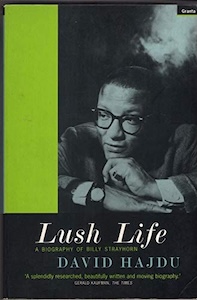
Lush Life: A Biography Of Billy Strayhorn
Billy Strayhorn, one of the greatest composers in the history of American music, the creator of a body of work of standards like Take the A Train. Yet, as a composer with no stage presence many see him as overshadowed by his friend and collaborator Duke Ellington, with whom he worked with for the two and a half decades.
The songwriter and arranger was an integral component of the Harlem Renaissance and the evolution of jazz. Lush Life is a vibrant and absorbing account of the Strayhorn’s life and the times that other jazz musicians led in Harlem and Paris. While composing some of the most gorgeous American music of this century, Strayhorn labored under a complex agreement whereby Ellington took the bows for his work.
Fifty-one years from the date of his birth, Billy Strayhorn transitioned due to cancer and alcohol abuse. The small, shy black composer carried himself with singular style and grace as one of the few jazzmen to be openly homosexual. This biography has sparked an enthusiastic revival of interest in Billy Strayhorn’s work and is already acknowledged as a jazz classic.
Lush Life: 1996 | David Hajdu
Granta Publications


Requisites
Quartet ~ Russ Freeman and Chet Baker | By Eddie Carter
It had been some time since I last enjoyed Russ Freeman’s piano work, so this morning I chose an excellent collaboration featuring him and trumpeter Chet Baker from my library. Quartet (World Pacific Records, PJ-1232) hit the stores in 1957 and was the eleventh album Freeman and Baker recorded together. The album showcases six original tunes alongside two standards, and they are supported by the outstanding rhythm section of Leroy Vinnegar on bass and Shelly Manne on drums. The copy of this album that I own is a King Record Company Japanese mono reissue (Pacific Jazz GFX-3104).
The first side opener, Love Nest by Otto Harbach and Louis A. Hirsch begins at a brisk pace, with Chet on muted trumpet during the lively melody, which continues into a spirited opening statement. Russ gets the next nod and delivers an energetic reading. Leroy follows up with a swinging interpretation, then Chet and Shelly engage in a brief exchange before the closing chorus returns. Fan Tan, the first of six originals by Russ Freeman, slows the pace to midtempo for the quartet’s theme. Freeman is afforded plenty of room to shape his phrases in the opening statement. Baker is back on the open horn and maintains a laid-back vibe as he effortlessly swings to the closing chorus and ending.
Summer Sketch begins with a gentle piano introduction. Chet Baker’s trumpet playing throughout the track is both poetic and tender, with each note radiating romantic beauty, softly guiding the group to a smooth, unified finish. An Afternoon At Home ends the first side with the rhythm section’s inviting introduction, allowing Baker to glide through the opening chorus at a leisurely, relaxed pace. Freeman’s lead solo is as enjoyable as spending a leisurely afternoon with friends. Then, Vinnegar takes the spotlight next for a captivating solo. Baker has the last word with a charming presentation, before the quartet brings the tune to a satisfying close.
Say When starts Side Two with the quartet’s spirited melody. Chet leads the way with an exciting opening statement. Russ soars into the following presentation, then Shelly swings with great force in a brief, exhilarating closing reading before the theme’s reappearance and the group’s exit. Lush Life by Billy Strayhorn is one of the enduring favorites among jazz standards. The song begins with Freeman’s sensitive introduction, gently segueing to Baker’s rich tone as he introduces the tender theme. The pianist’s solo possesses a sad, reflective beauty, culminating in the trumpeter’s tender and thoughtful finale.
Amblin is a slow blues, introduced by the trio’s soulful introduction, segueing to the leader’s down-home melody. Chet opens with a solo that’s thoughtfully crafted and effortlessly delivered. Russ continues letting each verse glide effortlessly next. Leroy wraps it up with plenty of heart, ahead of the quartet’s theme reprise and climax. Hugo Hurwhey takes off with a short introduction, preceding the ensemble’s upbeat theme. Baker hits an ideal groove in the opening statement. Freeman takes the reins next with a robust reading, then Vinnegar, Manne, and Freeman culminate the solos in a vigorous exchange with Baker, leading to the melody’s restatement and conclusion.
Richard Bock produced Quartet, but the identity of the recording engineer is unidentified. However, this King Record Company reissue possesses outstanding audio quality, with an excellent soundstage that brings the foursome into your listening room with impressive clarity and presence. Whether you’re a Russ Freeman or Chet Baker fan, or are just discovering the discography of either musician, I emphatically recommend and invite you to pick up Quartet on your next trip to the record store. The album is a stellar showcase for both musicians and would make a welcome addition to any jazz library!
~ Lush Life – Source: JazzStandards.com
© 2025 by Edward Thomas Carter
>
More Posts: choice,classic,collectible,collector,history,instrumental,jazz,music,piano,trumpet
On The Bookshelf…
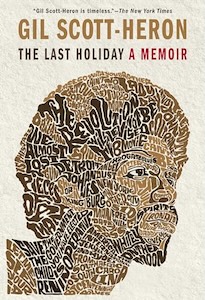
THE LAST HOLIDAY: A MEMOIR | GIL SCOTT-HERON
From a humble childhood divided between his grandmother in Jackson, Tennessee and his mother in New York City, Gil Scott Heron became one of the most uncompromising and fearless truthtellers of his generation.
His memoir provides a remarkable glimpse into his life and times, from the young man who gained entry into New York’s prestigious Fieldstone School, finding a path out of poverty even as his mother was being hospitalized in a diabetic coma, to the bill budding activist who led his university in a strike to demand better student healthcare.
As he comes of age as a man and as an artist, he provides keen observations on the civil rights movement and the tumultuous changes of the 1960s.
The Last Holidday, published by Grove Press on Martin Luther King Jr. Day, January 16, 2012 in honor of the historic tour in which he participated in the fall of 1980. It serves as both the climax of the book and the inspiration for the title.
His friend Stevie Wonder decided to use his Hotter Than July tour to raise popular support for a national holiday honoring the great civil rights leader, and he invited Scott-Heron to join him. Thus, the book is not just a tribute to Gil’s activism but also offers highly personal recollections of Wonder, Clive Davis, and other musical peers and acquaintances, as well as insights into the music industry, the Civil Rights movement, modern America, governmental hypocrisy, and our wider place in the world.

On The Bookshelf
A Life In Jazz | Danny Barker
Since the 1950s, when Nat Hentoff and Nat Shapiro published Heah Me Talkin’ to Ya, an oral history of jazz which drew heavily on Danny Barker’s reminiscences, jazz buffs have waited impatiently for Barker’s full account of his life in jazz.
Danny Barker was born January 13, 1909 when jazz was still in its infancy, and by the time of his death he was known as both a master of the idiom and a guardian of its history. Storyteller, researcher, songwriter, performer, and mentor, Barker was a true griot – an elder statesman of jazz and an international representative of New Orleans and African American culture.
In more than 60 years as a working musician, he followed the evolution of jazz from its New Orleans roots to mainstream success during the swing era to canonization as America’s first wholly original art form. In his career as a songwriter, which yielded the hit Don’t You Feel My Leg, Barker combined traditional song forms with sly humor about sex and human nature.
More than any other jazz artist, he worked to document the music’s history and to tell the stories of its people. A Life in Jazz, first published in 1986 and edited by British jazz scholar Alyn Shipton, captures the breadth of Barker’s knowledge and the scope of his vision as a storyteller.
His carefully crafted set pieces range from hilarious to harrowing, and he shares memories of jazz greats such as Jelly Roll Morton, Cab Calloway, and Dizzy Gillespie. Barker’s prose reflects the freedom and creativity of jazz while capturing the many injustices, both casual and grand, of life as a Black man in mid-century America.
This illustrated edition of A Life in Jazz brings Barker’s autobiography back into print by the Macmillan Press Ltd., accompanied by more than 100 images that bring his story to life. Gwen Thompkins, host of public radio’s Music Inside Out, reflects on Barker’s legacy in her introduction, and the complete discography and song catalog showcase the breadth of Barker’s work.
Danny Barker died on March 13, 1994. Through his struggles, triumphs, escapades, and musings, A Life in Jazz reflects the freedom, complexity, and beauty of this thoroughly American, Black music tradition.