

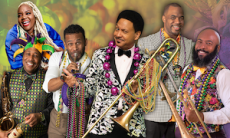
DELFEAYO MARSALIS & THE UPTOWN JAZZ ORCHESTRA
On packing a full jazz orchestra into a tiny historic jazz club: “Whatever you have to do,” the trombonist says philosophically. But when the band plays the swing and bebop hits from the 1930s through the 1960s, the music is just as tight. From Mardi Gras music to modern jazz, this band does it all. An intimate experience like no other!
More Posts: adventure,club,genius,jazz,music,preserving,travel,trombone
DELFEAYO MARSALIS & THE UPTOWN JAZZ ORCHESTRA
On packing a full jazz orchestra into a tiny historic jazz club: “Whatever you have to do,” the trombonist says philosophically. But when the band plays the swing and bebop hits from the 1930s through the 1960s, the music is just as tight. From Mardi Gras music to modern jazz, this band does it all. An intimate experience like no other!
More Posts: adventure,club,genius,jazz,music,preserving,travel,trombone
DELFEAYO MARSALIS & THE UPTOWN JAZZ ORCHESTRA
On packing a full jazz orchestra into a tiny historic jazz club: “Whatever you have to do,” the trombonist says philosophically. But when the band plays the swing and bebop hits from the 1930s through the 1960s, the music is just as tight. From Mardi Gras music to modern jazz, this band does it all. An intimate experience like no other!
More Posts: adventure,club,genius,jazz,music,preserving,travel,trombone
The Jazz Voyager
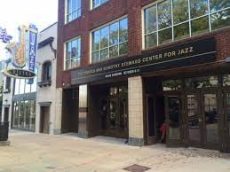
Taking a flight from Laguardia to Lambert International to take a seat in the Harold & Dorothy Steward Center For Jazz this week. Formerly known as Jazz at the Bistro, in 2014 along with the building next door was renovated into a two hundred and twenty seat venue that was renamed as the center. Located at 3536 Washington Avenue, St. Louis, MO 63103 it has become a renowned venue for performance, education and community engagement.
The Jazz Voyager will be occupying one of the seats to witness the talents of trombonist Wycliffe Gordon. Known affectionately as “Pinecone,” the Georgia-born trombonist also sings and plays didgeridoo, trumpet, soprano trombone, tuba, and piano. In 1995, Gordon arranged and orchestrated the theme song for NPR’s All Things Considered.
For more information you can visit https://notoriousjazz.com/event/wycliffe-gordon.

More Posts: adventure,club,genius,jazz,music,piano,preserving,travel,trombone
Daily Dose Of Jazz…
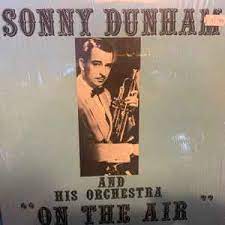
Elmer “Sonny” Dunham was born November 16, 1911 in Brockton, Massachusetts and attended local schools, taking lessons on the valve trombone at the age of 7. He changed to the slide trombone at the age of 11, and was playing in local bands at 13. He began his musical career as a trombone player in the Boston, Massachusetts area.
By the late 1920s he had moved to New York City where he played with Ben Bernie for six months before moving on in 1929 to Paul Tremaine’s Orchestra. He remained there for two years and while working as an arranger and vocalist with Tremaine’s group he switched to the trumpet.
In 1931 he left Tremaine and for a few months led his own group, calling it Sonny Dunham and his New York Yankees. That same year along with clarinettist Clarence Hutchenrider, trombonist-singer Pee Wee Hunt and singer Kenny Sargent, he was recruited by Glen Gray for Gray’s Casa Loma Orchestra. During the golden years of Casa Loma, he was a popular soloist, scoring a big hit with his trumpet work on Memories of You. He stayed until 1936, when he formed another more unusual group, Sonny Lee and The New Yorkers Band, which featured 14 pieces, with ten of his musicians doubling on trumpet.
Moving to Europe for three months, he then returned to the Casa Loma Orchestra, remaining until 1940 when he tried again to form his own group, this time, with more success. They debuted in 1940 at the Glendale Auditorium in Los Angeles, California and toured and held talent searches throughout the United States. After returning to New York in 1941, they were on nightly radio broadcasts at the Roseland Ballroom, and the Meadowbrook at Cedar Grove, New Jersey.
On the road in California the band played Los Angeles, were featured in the Universal picture Behind the Eight Ball with the Ritz Brothers and he served as musical director for this film, and was part of a vaudeville revue. Over the next couple of decades he would divide his time between New York and Los Angeles with stints in Chicago, Illinois. Dunham briefly experimented with dual female vocalists, Mickie Roy and Dorothy Claire, which did not turn out due to professional temperament.
Dissolving the band in 1951 Sonny joined Tommy Dorsey’s band as trumpet player, then reorganized the next year, remaining active until the decline of the big-band business. By the 1970s obscurity set in, however, he recorded playing trombone on a few LPs with Don Goldie’s Dixieland revival bands.
In the 1980s trumpeter, trombonist and bandleader Sonny Dunham, who was living in a trailer in Miami, Florida and still involved in booking bands for cruises and playing occasionally, transitioned from cancer on July 9, 1990, aged 78.

More Posts: bandleader,history,instrumental,jazz,music,trombone,trumpet