

Daily Dose Of Jazz…
Bryan Carrott was born in Queens, New York on April 23, 1959. After graduating from Fiorello H. LaGuardia High School of Music & Art and continued at the Manhattan School of Music before studying percussion with Morris Lang at Brooklyn College, then studied vibraphone with Dave Samuels at William Paterson University, receiving his Bachelor of Music degrees in Jazz Studies and Jazz Performance.
He has toured and/or recorded with David Fathead Newman, Ralph Peterson, Henry Threadgill, Muhal Richard Abrams, Sam Rivers, Don Byron, Dave Douglas, Charlie Hunter, Bob Moses, Roy Campbell, Herbie Mann, Cassandra Wilson, John Lurie & the Lounge Lizards, Greg Osby, Tom Harrell, Bennie Wallace, Steve Kroon, Joe Batan, and Kip Hanrahan, among others.
Carrott is an assistant professor and coordinator of percussion instruction at Five Towns College. He is a clinician and has led educational performances across the United States, Taiwan and Taipai. A featured soloist with Cologne, Germany’s WDR Orchestra conducted by Gunther Schuller, he was a mallet percussionist for Disney’s Broadway production of The Lion King.
For seven consecutive years, Bryan was cited in DownBeat Magazine’s International Critics’ Poll in the vibe category for Talent Deserving Wider Recognition, and has been featured on several film soundtracks, including 3 A.M. with Branford Marsalis. He currently serves as coordinator & professor of percussion studies at Five Towns College in Dix Hills, N.Y.
Vibraphonist and composer Bryan Carrott, who also plays marimba, piano, and leads his own trio, quartet and quintet, has yet to record as a leader but continues to perform and teach new generations of musicians.
More Posts: bandleader,composer,history,instrumental,jazz,marimba,music,percussion,piano,vibraphone
Three Wishes
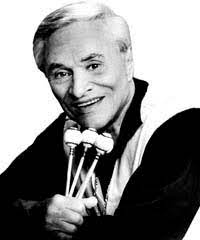
In response to the question of three wishes by Baroness de Koenigswarter, Terry Gibbs told her the two he had:
-
-
“I would like to have access to all the money I can have. I’d like to be a billionaire!”
-
“I’d like to have my own club and play when I feel like playing.”
-
“A million dollars. If I had all these I wouldn’t need to wish for anything for my wife and family, because they’d be covered and it would be Utopia.”
-
*Excerpt from Three Wishes: An Intimate Look at Jazz Greats ~ Compiled and Photographed by Pannonica de Koenigswarter

More Posts: baroness,history,instrumental,jazz,music,pannonica,three,vibraphone,wishes
Daily Dose Of Jazz…
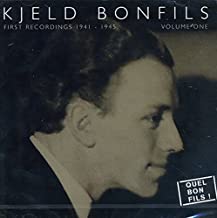
Kjeld Bonfils was born on August 23, 1918 in Copenhagen, Denmark. He was one of the figures involved in the Golden Age of Danish jazz in the 1930s.
During the Nazi occupation of Denmark from 1940 to 1945, jazz was discouraged by the regime, but Bonfils played with Svend Asmussen in Valdemar Eiberg’s band, as well as elsewhere. Jazz became a symbol of the underground and political protest.
Pianist and vibraphonist Kjeld Bonfils, who was hailed as one of the best soloists of his day, passed away on October 13, 1984 at age 66.

More Posts: bandleader,history,jazz,music,piano,vibraphone
Requisites
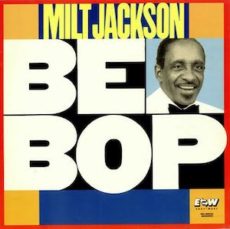
Bebop ~ Milt Jackson | By Eddie Carter
This morning’s discussion is by one of my favorite masters of the vibraphone, Milt Jackson. I was introduced to his music during a performance by The 1972 Newport Jazz All-Stars at Radio City Music Hall. Bebop (East-West – 7 90991-1) celebrates the forties jazz style characterized by a fast tempo, rapid chord changes, instrumental improvisation, and virtuosity that was created by Dizzy Gillespie, Charlie Parker, Bud Powell, and other musicians. On this date, Bags is sharing the spotlight with an outstanding sextet, Jon Faddis on trumpet, J.J. Johnson on trombone, Jimmy Heath on tenor sax, Cedar Walton on piano, John Clayton on bass, and Mickey Roker on drums. My copy used in this report is the 1988 US Full Digital Stereo album.
Side One kicks off with the 1951 jazz standard, Au Privave by Charlie Parker. The trio starts with a nimble introduction coming before the septet’s spirited theme. J.J. lights the first fire with a fierce heat, paving the way to Milt’s enthusiastic reading fueled by the rhythm section. Jimmy swings incisively and vividly next, then Jon travels into outer space with an abundance of high notes. Cedar drives to the finale with potent force ahead of the ensemble’s vigorous climax. Up next is Good Bait by Count Basie and Tadd Dameron. This seldom-performed 1944 tune became a hit at the height of the Bop era. Jackson leads with a friendly, light-hearted solo that’s pleasant. Johnson steps casually into a splendid reading. Heath explores some interesting avenues for the next performance. Faddis also takes things easy with a bluesy tone. Walton closes with a thoughtfully developed statement significant for its understated emotion.
Dizzy’s Woody’n You was written in 1943 and dedicated to Woody Herman. The ensemble moves back into uptempo for the theme. Milt explores the song’s roots first with an effervescent performance. J.J. heats things up next with an agile contribution, then Jimmy is as sprightly as ever on the third solo. Jon keeps things moving with an optimistic interpretation that swings hard. Cedar finishes with some exciting creativity before the septet disappears after the reprise. Now’s The Time by Charlie Parker cruises at a comfortable speed with Cedar taking the first chorus of this irresistible toe-tapper into the collective theme. Bags initiates a very impressive statement that moves smoothly. Johnson embraces the second reading like he’s speaking to an old friend, then Heath gets into an affirmative groove. Faddis opens the throttle a little further in a lively performance, and Walton puts the icing on the closer leading up to the climax.
Side Two starts with Ornithology by Charlie Parker and Benny Bailey. The septet begins with a happy, swinging beat on the unison theme statement. Milt gets things off the ground first, afterward, Jon wails with astounding conviction. Jimmy follows with a very relaxing performance, then J.J. strides confidently into the next reading. Cedar follows with some solid grooving, and John does some tuneful walking on his first solo opportunity preceding the theme’s reentry. One of Dizzy’s most enduring hits from 1944, Groovin’ High keeps the group at an easy tempo with Bags in front of the ensemble on the collective melody. Walton takes the lead this time and turns in some fine work. Jackson is equally easygoing on the second statement. Faddis uses the mute for an informal discussion, then Heath turns in a stirring presentation. Johnson is up next to give a muted trombone reading, and Clayton responds with a brief articulate, and charming finale before the closing chorus.
Birks’ Works was composed by Dizzy in 1951 and the title refers to his middle name. This jazz standard was the title tune for his 1957 Big Band album. John and Bags lead the septet on a bluesy opening chorus. Cedar solos first, taking things relatively easy. J.J. comes in next with a bright and breezy statement. Jimmy makes a positive impression on the third reading. Jon follows, strolling leisurely into the next solo, and Milt makes his points with admirable zest ahead of the out-chorus. Salt Peanuts, written in 1942 by Gillespie and Kenny Clarke begins with a brief introduction by Roker, segueing into a brisk melody. Heath takes flight first swiftly like a cheetah chasing its prey, then Johnson takes over for a speedy sprint. Jackson’s fingers work furiously on the vibes next. Faddis lets his ideas unfold intensely on the following solo, and Walton gets the last of the “salt peanuts” on a freewheeling finale before the ensemble’s reprise and coda.
“Bags” (Milt’s nickname) and his bandmates complement one another marvelously and these cats know how to swing throughout this collection of old favorites. The LP is a full digital recording by engineer Bobby Warner with stunning sound quality surrounding your sweet spot. Bebop is a stellar tribute to the music that remains as fresh today as when first performed in the forties. It’s also a pleasure to hear these great improvisers in a resolute form on an album that’s a high note in his plentiful discography. If you’re a fan of Milt Jackson as a leader or sideman and enjoy Hard-Bop, you won’t regret picking Bebop up on your next vinyl hunt and it’s sure to become an essential album in your library! ~ Birks’ Works (Verve Records MG V-8222) – Source: Discogs.com ~ Good Bait, Woody’n You, Groovin’ High – Source: JazzStandards.com ~ Au Privave, Bebop, Birks’ Works, Now’s The Time, Ornithology, Salt Peanuts – Source: Wikipedia.org © 2021 by Edward Thomas Carter

More Posts: choice,classic,collectible,collector,history,instrumental,jazz,music,vibraphone
Three Wishes
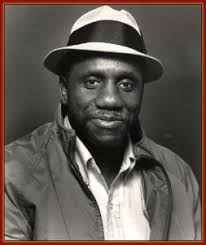
Nica asked Buddy Montgomery what his three wishes were and he simply said:
- “I can use a whole lot of things! One thing I would like is to get my mind and my hands attached to what I am trying to do, musically. I need to think some more about the others.”
*Excerpt from Three Wishes: An Intimate Look at Jazz Greats ~ Compiled and Photographed by Pannonica de Koenigswarter
More Posts: baroness,history,instrumental,jazz,music,pannonica,piano,three,vibraphone,wishes