

WCLK AT 50 | LIL JOHN & HIS ALL-STAR BAND
To celebrate WCLK 91.9’s 50th Anniversary the Atlanta Jazz Festival is presenting WCLK At 50: Featuring Lil John Roberts with an Atlanta All-Star Band.
Award-winning drummer Lil John Roberts will lead an Atlanta All-Star Band including these outstanding musicians: Phil Davis, Rodney Edge, Tres Gilbert, Derek Scott, Miguel Gaeten, Melvin Jones, Joe Gransden, Kebbi Williams, Jamel Mitchell, Mike Burton, Saunders Sermons, and Daniel Wytanis.
There will be special guest performances by Kathleen Bertrand, Cleveland Jones, Rhonda Thomas, Imani Grace-Cooper, Julie Dexter, Tony Hightower, Dashill Smith, and Alexandra Jackson.
As the Narrator, Jon Goode will weave in stories about the history and legacy of WCLK. Lil John Robert serves as the concert’s Music Director. The event is Co-Produced by Jamal Ahmad, Lil John Roberts, and Ray Cornelius.
More Posts: adventure,bass,concert,drums,festival,genius,jazz,music,percussion,piano,preserving,restaurant,travel,trumpet,vocal
Daily Dose Of Jazz…
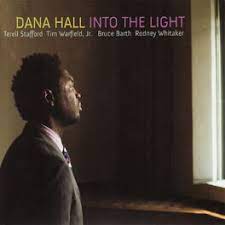
Dana Hall was born on March 13, 1969 in Brooklyn, New York where he spent the first few years of his life, then relocated with his family to his mother’s hometown of Philadelphia, Pennsylvania. There he was exposed to jazz and soul music at an early age through the family’s record collection. The family interest in creative music, and their open door policy toward Philly jazz musicians of the era sparked his curiosity, passion and ultimately career in music.
At the age of 12, Dana’s family moved from Philadelphia to Voorhees Township, New Jersey and began studying drums under renowned drum instructor Vincent “Jim” Hurley at Voorhees Middle School. Following study was with award-winning educator and bassoonist Dennis MacMullin at Eastern Regional High School where he also began playing the oboe and throughout college.
He attended Iowa State University with a double major in aerospace engineering and percussion. At ISU, Hall cultivated his interest in music, studying marimba, vibes, timpani, hand percussion, and drum set. After completing his education in aerospace engineering at Iowa State University, he received his Bachelor of Music degree from William Paterson College and a master’s degree in Composition and Arranging from DePaul University. He is presently a distinguished Special Trustees Fellow pursuing his Doctorate in Ethnomusicology at the University of Chicago.
As a jazz drummer, he is primarily influenced by the work of Art Blakey, Elvin Jones, Philly Joe Jones, Max Roach, and Roy Haynes, Jeff ‘Tain’ Watts, Ralph Peterson, Jr., and Kenny Washington, among many others. The list of artists that Hall has performed, toured, and/or recorded with is too long to mention here but it reflects the diverse, varied approaches of his music-making in the fields of jazz and popular music.
He’s both a member of the Terell Stafford Quintet and the Music Director of the Chicago Jazz Ensemble. He has been a member of the Carnegie Hall Jazz Band, and the Des Moines and the Cedar Rapids Symphonies.
As an educator he has been on the faculty of several colleges and universities including DePaul, Jazz at Lincoln Center Band Director’s Academy, Essentially Ellington faculties. Thelonious Monk Institute of Jazzand the Jazz Institute of Chicago’s Artists Residency Program.
Drummer, percussionist, composer, bandleader, and ethnomusicologist Dana Hall has released one album as a leader and continues to teach, perform, and record.

More Posts: composer,drums,educator,ethnomusicologist,history,instrumental,jazz,music,percussion
The Jazz Voyager
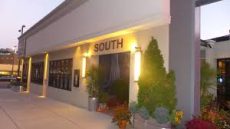
Heading to the City of Brotherly Love for the next stop on the voyage of this traveller. The place I will be seated in for this week’s jazz performance is nestled in the Spring Garden neighborhood of Philadelphia and is called the South Jazz Kitchen. It’s known for the coolest jazz and Southern cuisine in the city.
Vibraphonist Chien Chien Lu and bassist Richie Goods collaborate on this stage for three nights with two shows per evening. When you put together an emerging contemporary percussionist and composer with the youngest bassist ever inducted into the Pittsburgh Jazz Hall of Fame and you get an exciting show and one you will never forget.
The venue’s address is 600 N. Broad Street, Philadelphia, Pennsylvania 19130. For those who want more info go to https://notoriousjazz.com/event/chien-chien-lu-x-richie-goods.
More Posts: adventure,bass,club,genius,jazz,music,percussion,preserving,travel,vibraphone
EKEP NKWELLE BAND
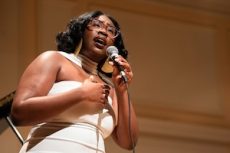
A rising master of her craft, vocalist Ekep Nkwelle entrances audiences with her strong lyrical presence and an uncanny connection to phrasing that’s at once grounded and ethereal. High-level musicality informs her storytelling. To Dizzy’s Club she brings her tight ensemble of acclaimed artists. Expect an evening of imaginative arrangements and compelling treatment of standard tunes.
More Posts: adventure,bass,club,drums,genius,jazz,music,percussion,piano,preserving,travel,trombone,vocal
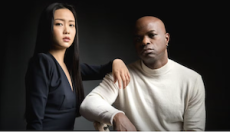
CHIEN CHIEN LU X RICHIE GOODS
Chien Chien Lu X Richie Goods “Connections” featuring J Hoard
Chien Chien Lu is a vibraphonist, contemporary percussionist, and composer whose Taiwanese upbringing, classical music education, and passion for grooves crystallize into a fresh and distinctive approach to contemporary jazz. Lu has recently been included in the list of 10 Emerging Jazz Artists 2023 by Grammy (Recording Academy). Her collaborative album with bassist Richie Goods “connected“just received 34th Golden Melody Awards “Best Instrumental Album“.
Richie Goods is the youngest person ever inducted into the Pittsburgh Jazz Hall of Fame. After graduating from the prestigious jazz program at Berklee College of Music, the bassist moved to New York City, where he studied under jazz legends Ron Carter and Ray Brown.
Friday & Saturday Showtimes : 7:00pm | 9:30pm
Sunday Showtimes : 6:00pm | 8:30pm
More Posts: adventure,bass,club,genius,jazz,music,percussion,preserving,travel,vibraphone