

Three Wishes
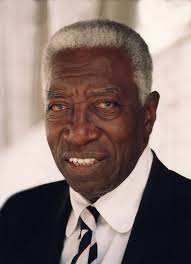
Pannonica had the opportunity to query three wishes from Joe Williams and he told her:
- “I wish everyone could be happy.”
- “Since God’s given me the tenor, I’d like to sing the things I want to sing, with the apropos background.”
- “I wish that there would be as much publicity about the jazz musicians that support their families as there is about their failings. And that’s ninety-five percent of them, support their families.”
*Excerpt from Three Wishes: An Intimate Look at Jazz Greats ~ Compiled and Photographed by Pannonica de Koenigswarter

More Posts: baroness,history,instrumental,jazz,music,pannonica,three,vocal,wishes
Daily Dose Of Jazz…
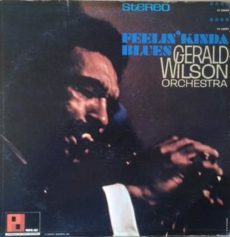
Streamline Ewing was born John Richard Ewing on January 19, 1917 in Topeka, Kansas and began his career when he was seventeen. Four years later he was with Horace Henderson, then with Earl Hines live and on record from 1938 to 1939 and from 1941 to 1942. He worked for short spans with Louis Armstrong and Lionel Hampton in the 1940s, in addition through the 1940 decade he worked with Jimmie Lunceford, Cab Calloway, Jay McShann, Cootie Williams, Louis Jordan, and Earl Bostic.
Moving to California in the early 1950s Ewing played with George Jenkins and in the studio with T-Bone Walker and Gerald Wilson. He began playing with Teddy Buckner in 1956 and the two would play together on and off into the 1980s. He led his band the Streamliners for recording sessions in 1958 and 1960. In 1962 he toured with Henderson again and with Rex Stewart in 1967. Late in the 1960s he played in the Young Men of New Orleans band.
In 1983 he played with the Eagle Brass Band and recorded with Johnny Otis in 1990. In the 1990s he played on two Willy DeVille albums: Backstreets of Desire and Big Easy Fantasy.
A prolific session player he recorded with Hoyt Axton, David Bromberg, Roy Brown, Bobby Bryant, Teddy Buckner, Red Callender, Papa John Creach, Willy DeVille, Judy Henske, Earl Hines, Diana Ross, Ike & Tina Turner, and Bob Thiele among others. Trombonist Streamline Ewing passed away on February 1, 2002 in Pasadena, California.

More Posts: history,instrumental,jazz,music,trombone
Daily Dose Of Jazz…
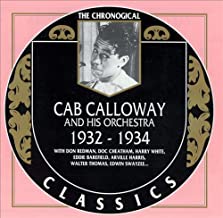
Morris Ellis “Fruit” White was born January 17, 1911 in Nashville, Tennessee and grew up in Peoria, Illinois. During the 1920s he played with Charlie Creath, Dewey Jackson, and Ethel Waters before joining The Missourians in 1928.
In 1930, Cab Calloway became the leader of the ensemble, with White becoming one of his most important sidemen. He remained with Calloway’s band until 1938. He played with Lionel Hampton in 1941, then left the music industry for good.
Banjoist and guitarist Morris White passed away In November 1986.

Daily Dose Of Jazz…
Claude Abadie was born on January 16, 1920 in Paris, France. He was interested in New Orleans jazz and Chicago jazz from an early age, and formed his own ensemble in 1941 to play in the Dixieland-revival style. Boris Vian played in the group from 1943.
Soon after, Abadie’s ensemble included Claude Luter, Jef Gilson, Raymond Fol, and Hubert Fol. He founded a new ensemble in 1949, which included Jean-Claude Fohrenbach and Benny Vasseur, but quit music in 1952, not returning to performance until 1963.
In 1965 he formed a large ensemble to play contemporary jazz and among his sidemen was Paul Vernon. Clarinetist and bandleader Claude Abadie turned 100 on his birthday and passed away on March 29, 2020.
More Posts: bandleader,clarinet,history,instrumental,jazz,music
Three Wishes
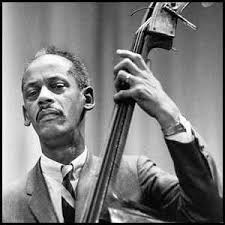
Tommy Potter was pensive when of his three wishes by the Baroness but answered her questions with:
- “An adequate amount of money to carry me through and take careof my family.”
- “A healthy situation for everyone immediately concerned with me, plus an adequate amount of knowledge.”
- “That I might be able to play music that is pleasing, not only to myself but to folks that will listen.”
*Excerpt from Three Wishes: An Intimate Look at Jazz Greats ~ Compiled and Photographed by Pannonica de Koenigswarter
More Posts: baroness,bass,history,instrumental,jazz,music,pannonica,three,wishes