

Daily Dose Of Jazz…
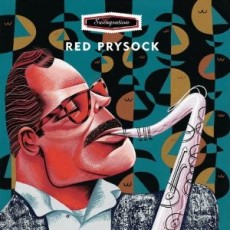
Red Prysock was born Wilburt Prysock on February 2, 1926 in Greensboro, North Carolina. One of the early Coleman Hawkins influenced saxophonists he played in both jazz and rhythm and blues worlds.
He first gained attention playing with Tiny Bradshaw’s band, playing the lead sax solo on his own composition “Soft”, which was a 1952 hit. He also played with Roy Milton and Cootie Williams. While with Tiny Grimes and his Rocking Highlanders, Prysock staged a memorable sax battle with Benny Golson on “Battle of the Mass”.
In 1954, he signed with Mercury Records as a bandleader and moving to R&B had his biggest instrumental hit, “Hand Clappin” in 1955. That same year, he joined the band that played at Alan Freed’s stage shows. He also played on several hit records by his brother and vocalist Arthur Prysock in the 1960s.
Red Prysock released five albums for Mercury and another two for Forum Circle and Gateway record labels. He passed away of a heart attack on July 19,1993 in Chicago, Illinois at the age of 67.
More Posts: saxophone
Daily Dose Of Jazz…
Buddy Montgomery: The Youngest Brother Who Kept the Music Alive
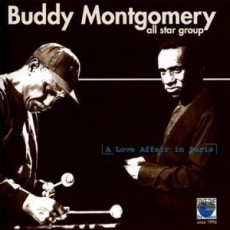
Charles “Buddy” Montgomery was born on January 30, 1930, in Indianapolis, Indiana—the youngest of the Montgomery brothers, a family that would become one of jazz’s most remarkable musical dynasties. While his older brothers Monk and Wes would achieve fame on bass and guitar respectively, Buddy carved his own path, mastering both piano and vibraphone with equal facility.
Early Steps in a Legendary Family
Buddy began his professional career in 1948 at just eighteen years old. By the following year, he was playing with blues shouter Big Joe Turner, then working alongside the innovative trombonist Slide Hampton—learning the ropes from established masters while developing his own voice.
After fulfilling his military service in the Army—where he led his own quartet, never letting Uncle Sam keep him away from music for long—Buddy returned to civilian life ready to make his mark.
The Mastersounds Era
In the late 1950s, Buddy joined forces with his brother Monk to form the Mastersounds, a vibrant West Coast jazz group that produced ten recordings and helped define the accessible, groove-oriented sound that made jazz appealing to wider audiences without sacrificing musicality. The Mastersounds were part of that great wave of organ-and-vibes combos that kept the clubs packed and the jukeboxes humming.
Simultaneously, Buddy led the Montgomery-Johnson Quintet with saxophonist Ray Johnson from 1957 to 1959, helming his first recording session as a leader—proof that even within the family business, he had his own ideas about what jazz could be.
A Brief Brush with Miles
Buddy played briefly with Miles Davis—imagine being good enough to catch Miles’ attention, even momentarily. But when the Mastersounds disbanded, family called once again. Buddy and Monk joined their brother Wes for a series of “Montgomery Brothers” recordings, with Buddy contributing sophisticated arrangements that showcased all three siblings’ talents.
Tragedy on the Road
The brothers toured together in 1968, three Montgomery brothers bringing their distinctive Indianapolis sound to audiences across the country. But in the middle of that tour, tragedy struck: Wes died suddenly of a heart attack at just 45 years old, robbing jazz of one of its most influential guitarists and the Montgomery family of its brightest star. The loss was devastating, both personally and professionally.
Starting Over, Giving Back
In 1969, still processing his grief, Buddy moved to Milwaukee, Wisconsin, where he dedicated himself to teaching music—passing on what three generations of Montgomerys had learned about swing, harmony, and making music that moved people. He spent years nurturing young talent, ensuring that the knowledge didn’t die with his brother.
Oakland and a Second Act
In the 1980s, Buddy relocated to Oakland, California, where he experienced something of a renaissance. He released solo material that showcased his mature artistry and played with the Riverside Reunion Band alongside heavyweights like saxophonists Charlie Rouse and David “Fathead” Newman, and vibraphonist Bobby Hutcherson, peers who understood and appreciated what Buddy brought to the bandstand.
A Full Musical Life
Buddy Montgomery—vibraphonist, pianist, composer, arranger, bandleader, producer, and teachercontinued working in all these capacities right up until his death on May 14, 2009. He produced fourteen recordings as a leader over his career, each one a testament to his versatility and his refusal to be limited by anyone’s expectations.
More Than “The Other Montgomery Brother”
It would have been easy for Buddy to be overshadowed by Wes’ legendary status or defined solely as “one of the Montgomery brothers.” Instead, he built a career that honored the family legacy while establishing his own distinct identity. His vibraphone playing had a clarity and swing that was unmistakably his own. His piano work combined the influence of Indianapolis stride players with bebop sophistication. His arrangements showed a deep understanding of how to make a small group sound rich and full.
And perhaps most importantly, his decades of teaching ensured that the Montgomery musical tradition, that Indianapolis approach to swing, melody, and making accessible music still challenges close listening. His legacy would continue through his students who never met Monk or Wes but learned from Buddy what it meant to be a complete musician.
The Youngest, But Not the Least
Buddy Montgomery lived to 79, longer than either of his famous brothers—and used that time wisely, creating, teaching, and keeping the music alive. He proved that being the youngest Montgomery brother wasn’t a limitation but an opportunity to build something that lasted.
From teenage piano prodigy in Indianapolis to elder statesman of Oakland’s jazz scene, Buddy Montgomery showed that longevity in jazz isn’t just about surviving, it’s about continuing to grow, give, and create until the very end.
More Posts: pano,vibraphone
Daily Dose Of Jazz…
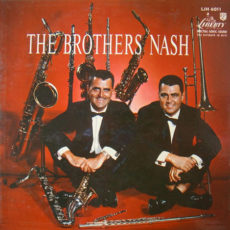
Dick Nash: The Trombone Voice Behind Hollywood’s Golden AgeRichard Taylor Nash was born on January 26, 1928, in Boston, Massachusetts, and discovered brass instruments at age ten but it was tragedy that would deepen his commitment to music. After his parents’ death, while living in boarding school, the young Nash threw himself into trumpet and bugle, finding solace and purpose in the discipline and beauty of making music. What began as comfort became calling.
From Big Bands to the Studio
Nash’s first professional work came in 1947 with bands like Tex Beneke’s popular ensemble, a solid apprenticeship with a name bandleader. After serving in the Army, where he continued playing, he joined Billy May’s swinging outfit, gaining experience in the competitive world of post-war big bands.
But Nash’s real destiny was waiting in Los Angeles, where he would become one of the most sought-after studio musicians in the entertainment capital of the world. When producers needed a trombonist who could nail it on the first take, who could read anything, who could deliver both technical perfection and emotional depth, they called Dick Nash.
Mancini’s Secret Weapon
Nash became the favorite trombonist of composer and conductor Henry Mancini, and if you know Mancini’s work, you understand the honor that represents. Mancini wrote sophisticated, jazz-inflected scores that required musicians who could swing, play with taste, and capture specific moods with just a few perfectly placed notes.
Nash was the featured trombone soloist on several iconic Mancini soundtracks: the cool, late-night jazz of Mr. Lucky and Peter Gunn, the exotic adventure of Hatari!, the wistful romance of Breakfast at Tiffany’s, and the achingly beautiful melancholy of The Days of Wine and Roses.
If you’ve ever heard that gorgeous trombone solo floating over “Moon River” or punctuating the Peter Gunn theme, that’s Dick Nash—his sound became part of America’s collective musical memory, even if most listeners never knew his name.
Equally at Home in Jazz
But Nash wasn’t just a studio musician grinding out commercial work. By 1959, he was playing bass trombone on saxophonist Art Pepper’s brilliant Art Pepper + Eleven: Modern Jazz Classics session—a challenging, ambitious album that showcased Nash’s ability to function in pure jazz settings alongside one of the West Coast’s most intense improvisers.
A Who’s Who of Collaborations
Over the course of his career, Nash remained predominantly associated with swing and big band genres, but his résumé reads like a directory of 20th-century popular music greatness. Besides working on countless film scores, the trombonist performed and recorded with Quincy Jones, Ella Fitzgerald, Harry James, Count Basie, Oscar Peterson, Louie Bellson, Nat King Cole, Mel Tormé, June Christy, Stan Kenton, Les Brown, Don Ellis, Jimmy Witherspoon, Frank Sinatra, Lena Horne, Peggy Lee, Erroll Garner, Anita O’Day, Teresa Brewer, Randy Crawford, The Manhattan Transfer, Sonny Criss… and the list goes on.
The Ultimate Professional
Think about that range: from Basie’s driving swing to Sinatra’s intimate balladry, from Kenton’s progressive big band experiments to Ellis’ avant-garde explorations, from pop sessions to pure jazz dates. Nash could do it all, and do it with the kind of musicality that elevated everything he touched.
The Invisible Artist
Dick Nash represents a particular kind of musical excellence that often goes unrecognized: the studio musician who serves the music rather than their own ego, who makes everyone around them sound better, whose artistry is heard by millions but whose name remains known primarily to fellow musicians and serious fans.
He didn’t need the spotlight. He was the light—illuminating countless recordings, soundtracks, and live performances with his warm tone, impeccable technique, and deep musicality.
From a grieving boy in boarding school finding comfort in a bugle to becoming Henry Mancini’s go-to trombonist and one of the most recorded musicians in American history, Dick Nash’s journey reminds us that sometimes the greatest artists are the ones who help others shine.
And if you’ve ever been moved by a film score, charmed by a classic pop recording, or thrilled by a big band arrangement, there’s a good chance Dick Nash’s trombone was part of what made you feel that way—even if you never knew it.
More Posts: trombone
Daily Dose Of Jazz…
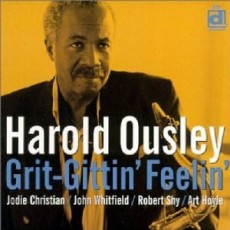
Harold Ousley: The Tenor Voice That Bridged Blues and BebopHarold Lomax Ousley was born January 23, 1929, in Chicago, Illinois—the cradle of electric blues and a proving ground for countless jazz saxophonists. Heavily influenced by the big-toned Gene Ammons, Ousley picked up tenor saxophone and flute in the late 1940s and immediately set about carving out his own path through the rapidly evolving jazz landscape.
Backing the Legends
The 1950s found Ousley in stellar company, recording behind two of the greatest vocalists in American music: Billie Holiday and Dinah Washington. Imagine being the saxophonist supporting Holiday’s weathered, emotionally devastating voice, or matching Washington’s powerful, blues-drenched delivery. That’s the kind of education money can’t buy—you either rise to the occasion or get left behind. Ousley rose.
Throughout that decade, he also worked as a sideman with his idol Gene Ammons, absorbing the older master’s approach to tone, phrasing, and the art of making a ballad sing. The 1960s brought collaborations with organist Jack McDuff and a young guitarist named George Benson who was just beginning to make noise on the jazz scene.
Stepping Into the Spotlight
Ousley released his first record as a leader in 1961: Tenor Sax on the Bethlehem label—a straightforward title for a straightforward player who let his horn do the talking. Over the following decades, he would lead five more sessions for Muse, Cobblestone, Digi-Rom, Tele-Jazz, and Delmark labels, each one showcasing different facets of his musical personality.
His 16-bar blues boogaloo “Return of the Prodigal Son” demonstrated his rhythmic flair and compositional chops, but it became better known as a highlight on George Benson’s popular Cookbook album—sometimes your song becomes famous through someone else’s interpretation, and that’s okay.
Weathering the Changes
During the 1970s, Ousley found himself playing with jazz royalty—Lionel Hampton’s swinging vibes-led ensemble and Count Basie’s legendary orchestra. But the musical landscape was shifting beneath everyone’s feet. Fusion was exploding, electric instruments were taking over, and the acoustic hard bop sound Ousley excelled at was suddenly out of fashion. When mainstream jazz resurged in the 1980s, it often favored younger players.
Rather than become bitter, Ousley adapted. He moved into cable television production, creating programming that featured jazz performances and interviews—using a different medium to keep the music and its stories alive. He didn’t record again until the late 1990s, but he never stopped being part of the jazz community.
A Musical Identity
Though Ousley’s playing resided heavily in blues—that Chicago foundation never left him—he quickly cited Charlie Parker as his first model for the hard bop lines that gave his solos their forward momentum and harmonic sophistication. But perhaps the most overlooked aspect of his artistry was the gentler side: the sweet, caressing sound he brought to ballads, where his tone became butter-smooth and his phrasing unhurried, letting every note breathe.
A Life in Service to the Music
Tenor saxophonist Harold Ousley passed away on August 13, 2015, in Brooklyn, New York, having spent nearly seven decades contributing to jazz as a sideman, leader, collaborator, and documentarian.
He may not have achieved the fame of some of his contemporaries, but Harold Ousley represents something equally valuable: the solid professional who showed up, played beautifully, supported the music and the musicians around him, and kept the tradition alive even when the spotlight moved elsewhere.
That’s not just a career—that’s dedication.
More Posts: saxophone

Daily Dose Of Jazz…
Morris “Moe” Koffman was born on December 28, 1928 in Toronto, Canada. At the age of nine he began his musical studies in his native city, studying violin. He attended the Toronto Conservatory of Music, where he was a student of Samuel Dolin.
Dropping out of school when he found work performing in dance bands, in 1950, he moved to the United States, where he played with big bands including those of Sonny Dunham and Jimmy Dorsey. In 1955, he returned to Toronto where he formed a quartet and later a quintet and recorded Swinging Shepherd Blues in 1957 which helped establish his reputation as a flautist.
Koffman was inspired by Rahsaan Roland Kirk to play multiple instruments at once. He had a modified set of straps to hold a tenor and alto saxophones so that he could put forward incredible chords and improvise at the same time. He performed with Dizzy Gillespie and Peter Appleyard during the 1980s, as well as continuing to front the Moe Koffman Quintet. He often performed with Rob McConnell’s Boss Brass.
He was appointed to the Order of Canada in 1993 and inducted into the Canadian Music Hall of Fame in 1997.
Saxophonist, flautist, composer and arranger Moe Koffman, who was diagnosed with non-Hodgkin’s lymphoma in 2000, died of cancer in Orangeville, Ontario, Canada on March 28, 2001 at the age of 72.

More Posts: arranger,composer,flute,history,instrumental,jazz,music,saxophone