

Requisites
Yardbird Suite ~ Frank Morgan Quartet | By Eddie Carter
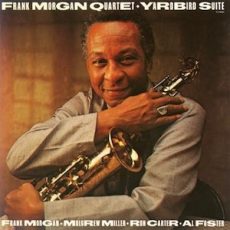
A few evenings ago, I spent the time listening to a few saxophonist albums, and one in particular inspired thismorning’s discussion. I first heard Yardbird Suite (Contemporary Records C-14045) by the Frank Morgan Quartet on WNOP 740 AM, Cincinnati, Ohio’s then jazz station, when I lived there, and I forgot what an entertaining record it was. Recorded and released in 1988, it was my introduction to alto saxophonist Frank Morgan and was his seventh as a leader. On this homage to both bebop and Charlie Parker, Morgan is joined by an outstanding supporting cast: Mulgrew Miller on piano; Ron Carter on bass; and Al Foster on drums. The copy I own is the original U.S. Stereo Release.
The album opener is the title tune, Yardbird Suite by Charlie Parker. Mulgrew’s happy introduction sets the stage for the quartet’s lively melody. Frank opens with a splendid study of soulful improvisation, then Mulgrew relishes every moment of the following statement. Ron takes a short walk through the third reading, and Frank and Al share a brief conversation ahead of the group’s reprise and dead stop. The group maintains its swinging momentum with Night In Tunisia by Dizzy Gillespie and Frank Paparelli. Morgan takes the lead with a spirited solo, then Miller responds with a sizzling interpretation propelled by Carter and Foster into the theme’s restatement and soft summation.
Billie’s Bounce by Charlie Parker is taken at a medium pace and affords everyone solo space. The trio introduces the song, segueing into Frank's melody. Mulgrew leads the way with a vibrant performance. Frank soars joyously into the second solo, then Ron walks with spirit and vitality next. Frank and Al engage in a short exchange of ideas before the foursome’s closing chorus takes it out. Side Two opens with Star Eyes by Gene de Paul and Don Raye. The trio’s warmth and charm in their introduction lead to Morgan’s relaxed, mellow melody. He continues building the opening solo smoothly. Miller develops the following reading with finesse before the song concludes on an uplifting note.
The beat moves upward for Scrapple From The Apple by Charlie Parker, with the rhythm section’s introduction to Frank’s spirited theme. He then launches into the opening solo aggressively. Mulgrew takes over and hits an ideal groove in the following reading, then both soloists share a scintillating dialogue of musical ideas before the theme returns and the song ends. Skylark by Hoagy Carmichael and Johnny Mercer is one of the few songs Parker didn’t record during his lifetime. The quartet pays homage to the standard, beginning with the trio’s tender introduction to Morgan’s gorgeous melody. As the song’s only soloist, he creates an elegantly thoughtful interpretation ahead of the theme’s gentle reprise and close.
Orrin Keepnews produced Yardbird Suite, and Danny Kopelson was behind the recording console for this session. George Horn mastered the album, and it was recorded to and mastered from digital tape, using the Mitsubishi X-80 digital tape recorder. The album’s sound quality is superb, placing the musicians in the sweet spot of your listening room with a tremendous soundstage across the highs, midrange, and low end. If you’re in the mood for bop and are a fan of the alto saxophone, I invite you to check out Yardbird Suite by the Frank Morgan Quartet on your next record store visit. It’s an enjoyable album of great music by one of the jazz saxophonists, in my opinion, deserving of greater recognition!
~ Skylark, Star Eyes – Source: JazzStandards.com
© 2026 by Edward Thomas Carter
More Posts: choice,classic,collectible,collector,history,instrumental,jazz,music,saxophone
Requisites
Philly Mignon ~ Philly Joe Jones | By Eddie Carter
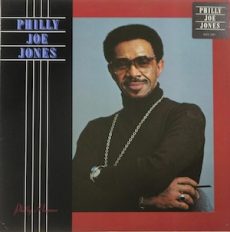
This morning’s album from my library is a hidden gem led by the talented drummer Philly Joe Jones. He brings together an outstanding group on his 1978 release, Philly Mignon (Galaxy GXY 5112). My first introduction to Jones’s artistry was through his work on Miles Davis’s four Prestige quintet records, where his impeccable timekeeping really stood out to me. The ensemble includes Nat Adderley on cornet (tracks: A1, B1, B3), Dexter Gordon (tracks: A2, B2), and Ira Sullivan (tracks: A1, B3), on tenor saxophone, (track: B1) on soprano saxophone, George Cables (tracks: A1, A2, B2, B3) on piano, and Ron Carter on bass. The copy I own is the original 1978 U.S. Stereo pressing!
The album opens with a spirited rendition of Confirmation by Charlie Parker. Philly’s introduction kicks things off ahead of the lively theme led by Ira. George has the first solo and drives vigorously. Nat takes over, fueling the second statement with a brassy bite. Ira comes in next, riding hard on a robust reading, then the front line gives Philly space for a robust workout before the group’s theme reprise takes things out. Neptunis by Benny Bailey sets an easy tempo from the start of Dexter and George’s introduction that develops into the melody. The saxophonist leads the soloing with a relaxing joyride. George follows, each chorus unfolding efficiently and smoothly. Dexter and Philly share the spotlight briefly before the drummer has the last word and the foursome wraps up.
Jim’s Jewel by Charles Bowen Jr. is a completely different animal, with Nat and Ira featured in a piano-less foursome. Ron introduces the song, segueing into the front line’s theme, propelled by Philly’s drums. Nat’s first solo is particularly compelling. Ira follows with a soprano sax reading that will move the listener to sit up and take notice. Philly enters the spotlight last with a concise comment before the closing chorus and the group’s exit. Polka Dots and Moonbeams by Jimmy Van Heusen and Johnny Burke is up next. Dexter’s spoken introduction of the opening lyrics blossoms into his saxophone, continuing the tender melody. The trio provides an elegantly lush foundation for Dexter’s delicately tender first solo. George follows with a lovely reading leading to the gorgeous closing chorus and the soft ending.
United Blues by Ron Carter is an upbeat tune that brings Nat and Ira back for the album’s closer. Philly’s short introduction kicks things off ahead of the quintet’s theme. Nat is up first with a spirited statement, then Ira grabs the second spot, back on tenor sax and hooks you from the start. George strolls in next for a short stay, and Philly does a great deal in a short time before the reprise of the melody finishes on a good note. Ed Michel produced Philly Mignon, while Baker Bigsby and Wally Buck managed the recording console. David Turner handled the album’s mastering, and the sound quality is exceptional. The stereo presentation is vivid, the horns truly sparkle, and the bass sounds full and resonant. It’s also an excellent pressing, and the record is dead silent until the music starts.
Philly Joe Jones led 16 albums and contributed as a sideman to a wide array of exceptional recordings, making his discography one of the most impressive in jazz history. Whether you’re passionate about jazz drumming or curious to explore Jones’s artistry, I highly recommend checking out his album Philly Mignon by Philly Joe Jones during your next visit to the record store. This release offers a delightful listening experience for jazz lovers at any hour, appealing even to the most discerning musical tastes. Just a word of caution, though, once you start listening, you may find yourself completely captivated!
~ Cookin’ With The Miles Davis Quintet (Prestige PRLP 7094), Relaxin’ With The Miles Davis Quintet (Prestige PRLP 7129), Steamin’ With The Miles Davis Quintet (Prestige PRLP 7200), Workin’ With The Miles Davis Quintet (Prestige PRLP 7166) – Source: Discogs.com
~ Polka Dots and Moonbeams – Source: JazzStandards.com © 2026 by Edward Thomas Carter
More Posts: choice,classic,collectible,collector,drums,history,instrumental,jazz,music
Requisites
For Basie ~ Paul Quinichette | By Eddie Carter
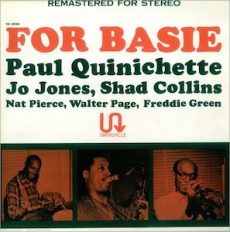
A few nights ago, with rain falling and a cold atmosphere outside, it felt like the ideal moment to listen to a favorite album by tenor saxophonist Paul Quinichette. For Basie (Prestige PRLP 7127), first released in 1958, is a great “blowing session” of the 1950s and a heartfelt homage to Count Basie, offering memorable tunes and lively arrangements by pianist Nat Pierce. The group features two alumni from Basie’s band, showing that these jam sessions were anything but rushed or lacking in artistic merit. Rounding out the sextet are Shad Collins on muted trumpet (tracks: A1, A2, B2) and trumpet (tracks: A3, B1, B2), Freddie Green on guitar, Walter Page on bass, and Jo Jones on drums. The copy I own is the 1963 remastered stereo reissue (Prestige Swingville SVST 2036).
Side One opens at a relaxing beat with Rock-a-Bye Basie by Count Basie, Shad Collins and Lester Young. Nat opens with a short introduction, segueing into Shad's leisurely-paced melody, with Paul playing behind him. Paul’s opening solo is cool and inviting, then Shad comes in on muted trumpet like a gentle breeze on a summer night. Nat sums it up with a friendly reading, returning to the theme’s restatement and a soft conclusion. Texas Shuffle by Herschel Evans and Edgar Battle turns up the heat significantly, beginning with Pierce and Jones’ quick introduction ahead of the ensemble’s speedy melody. Quinichette takes the lead first, then Collins, again using a mute, takes over for a quick run. Quinichette has a short conversation with Jones, and Pierce has the last word before the group ends softly.
Out The Window, by Count Basie and Eddie Durham, was first recorded by Basie’s band in 1937. The sextet pays homage, with the front line featuring Shad on the open horn, leading the mid-tempo melody. Shad struts boldly into the opening statement. Paul follows with a solo that soothes as it swings, then Nat strolls into the third reading with finesse, leading to a lengthy theme reprise with quick comments by Paul and Jo before the close. The group starts Side Two with Jive at Five by Count Basie and Harry Edison, which opens at an easygoing beat for Jones, Pierce, and Page’s introduction to the ensemble’s melody. Quinichette takes the lead here at an unhurried pace. Collins steps up next, still on the open horn with an easily flowing solo. Pierce continues moving along toward the sextet’s closing chorus.
Digging For Dex by Count Basie and Eddie Durham is their tribute to former “Down Beat” editor, Dave Dexter. Nat continues the easygoing pace, leading the rhythm section through the introduction, segueing to the sextet’s theme with Shad still on the open horn. Paul has the first say and makes the most of each note. Shad steps into the spotlight next for some muted work, then Nat takes over and cruises comfortably toward the ensemble’s laid-back climax. Bob
Weinstock supervised the session, and Rudy Van Gelder managed the recording console. I was pleasantly surprised by the reissue’s sound quality, especially for a remastered stereo album from the 50s. The soundstage is excellent, and brings the listener to the studio as the musicians perform.
In my opinion, For Basie captures the essence of Count Basie’s music, allowing each musician in the ensemble to shine. With Quinichette leading the sextet and his subtle homage to Lester Young in his playing, hence his nickname, The Vice Pres pays a respectful tribute to Basie’s legacy, blending nostalgia with innovative interpretations. The seamless chemistry between Collins, Pierce, Green, Page, and Jones elevates each tune into a stellar example of jazz artistry. If you enjoy swing, big band jazz, or have a soft spot for the tenor sax as I do, I invite you to check out Paul Quinichette’s For Basie on your next record-shopping trip. It’s a delightful album that’s perfect for listening to at any time of day or night, a real joy for jazz fans, and a title well worth adding to your library!
© 2026 by Edward Thomas Carter
More Posts: choice,classic,collectible,collector,history,instrumental,jazz,music,saxophone
Requisites
After The Morning ~ John Hicks | By Eddie Carter
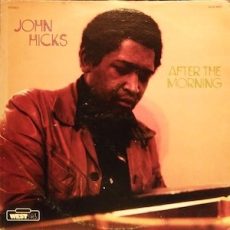
Feeling exhausted after a long week, I sought an album that offered a gentle, soothing escape. I went to the turntable, and put on After The Morning (West 54 WLW 8004) by John Hicks, and playing it was like a thoughtful act of self-kindness, gently easing my tension. Hicks’ piano work is both delicate and confident, creating a sense of tranquility reminiscent of a fresh morning. This album marks his third session as a band leader, but it was his first release. Joining him are Walter Booker, Jr. on bass (tracks: A1, A3, B1, B3), and Clifford Barbaro on drums (track: B1). The copy I own is the 1979 U.S. stereo release.
Side One opens with the title tune, After The Morning, by John Hicks. John is merry and playful as the melody is skillfully presented, and he continues swinging softly through the song’s only solo. Walter provides excellent support throughout, leaving the listener spellbound as the duo’s theme reprise gently closes. Serenata by Leroy Anderson and Avery Parrish provides Hicks with an unrestricted canvas in which to work in a solo performance. The song opens with a tranquil introduction and theme, then transitions into a breezy solo that captivates the listener, culminating in an exquisite ending.
Dierdre de Samba by Clifford Barbaro is a beautiful ballad that begins with a short introduction from the duo and unfolds into a lush, rich melody. John shines again as the song’s only soloist, playing with elegance and sensitivity ahead of a gorgeous reprise and a peaceful climax. Some Other Spring by Arthur Herzog, Jr. and Irene Kitchings is Hicks’ second solo performance, and a song he associated with the early morning of the day. Here, he delivers a delicately passionate and tender performance, and every note and phrase weaves a haunting spell ahead of the pianist’s return to take the song out softly.
The Duke by Dave Brubeck is a tribute to Duke Ellington, and John’s final solo performance of the first side. His introduction and melody feel like the calm of a new morning, showcasing his virtuosity in one of the album’s most beautiful moments. Impact by Charles Tolliver is the trio’s only appearance together and is the most adventurous song on the album. The cascading introduction rolls in like a severe, sudden thunderstorm, before Hicks takes charge of the theme ahead of a sizzling interpretation propelled by Booker’s bass and Barbaro’s brushwork, preceding a quick return to end on a sudden stop.
Until The Morning by John Hicks opens with a very pretty introduction that blossoms into a beautifully flowing theme of refined elegance. As the song’s only soloist, he offers an interpretation that’s both carefully crafted and deeply expressive, culminating in a touchingly delicate finale. Night Journey by Andrew “Tex” Allen wraps up the album with a delightful introduction by John and Walter into a vivacious theme. As the song’s only soloist, his tone is as airy as ever, and he explores several points of interest as the interpretation unfolds before the duo reprises the theme and brings the song to a graceful conclusion.
Roger Pola produced After The Morning, and Bob Cubbage was the recording engineer behind the dials. The album’s sound quality is excellent, with an outstanding soundstage. Your sweet spot will feel like you’re in the studio with the musicians as they’re recording. John Hicks recorded over 30 albums as a leader and contributed as a sideman to more than 300 releases. If you’re a fan of jazz piano and looking for something soothing, I offer After The Morning by John Hicks for your consideration on your next record-shopping trip. It’s a perfect album to begin your journey into his music, and after a tough day or week, a terrific companion to help you unwind and catch your breath!
© 2026 by Edward Thomas Carter
More Posts: choice,classic,collectible,collector,history,instrumental,jazz,music,piano
Requisites
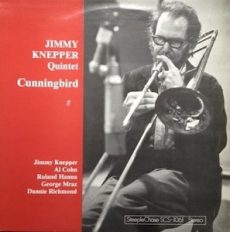
Cunningbird ~ Jimmy Knepper Quintet | By Eddie Carter
A few years back, during our anniversary trip to Honolulu, Hawaii, my wife and I took a walk along Bethel Street in Chinatown and found our way into Skull-Face Books and Vinyl. There, I came across an album by the Jimmy Knepper Quintet, which I listened to a few nights ago, inspiring me to feature it in this morning’s discussion. Cunningbird (SteepleChase Records SCS-1061) is a 1977 Danish release, the trombonist’s fourth as a bandleader. He’s best known for working with Charles Mingus, Gil Evans, the Mingus Dynasty, and the Thad Jones-Mel Lewis Orchestra. Here, he’s joined by Al Cohn on tenor saxophone, Roland Hanna on piano, George Mraz on bass, and Dannie Richmond on drums. The copy I own is the 1980 U.S. stereo reissue that shares the original catalog number.
Side One opens with Figment Fragment, the first of six originals by Jimmy Knepper. The opening ensemble is a spirited romp by the group with Knepper and Cohn at the forefront. Jimmy is up first and gives an energetic solo, then Al jumps in with a lively bounce. Roland follows with a delightful reading, and George walks with assurance next. Knepper and Cohn share a short workout ahead of the closing chorus. Languid is a lovely ballad that begins with a touchingly tender ensemble melody. Knepper’s opening solo is executed with warmth and intimacy. Hanna delivers a short statement, delicately leading to the group’s elegant reprise and ending.
Just Tonight is a fast bopper that gets busy right from the start of the ensemble’s speedy theme. Jimmy kicks things off with a fiery opening statement. Cohn takes over, pouring energy into every note. Roland builds the third reading with a compelling intensity next. George steps in last and walks briskly before the quintet wraps up with a vigorous restatement of the theme. Cunningbird, the title selection, opens the second side solemnly, then picks up the pace for Knepper to state the theme. Knepper cruises comfortably into the lead solo. Mraz follows and solos effectively. Cohn swings lightly next, and Hanna takes aim last, making a concise comment into the reprise and close.
Noche Triste is a haunting ballad with a Latin groove underpinning the ensemble’s graciously inviting melody. Jimmy leads the way with a thoughtfully tender solo. Al fills the next interpretation with a soft, elegant beauty. Roland etches a reading of lyrical grace next, and George gets the last words to deliver a wonderfully soothing statement preceding the group’s gentle reprise and fadeout. Spotlight Girl ends the album on an upbeat note with the quintet’s theme. Knepper gets to the point right away in the first solo. Mraz responds vigorously in the following reading. Hanna finds new avenues to explore in the third statement, and Knepper and Cohn have a brief conversation that leads back to the lively reprise and climax.
Nils Winther produced Cunningbird, and Elvin Campbell managed the recording console. The album’s sound quality is excellent with no harshness from top to bottom. The record is silent until the music starts, and the soundstage of each instrument is splendid. If you’re a hard bop fan and are in the mood for a great ensemble album, I invite you to consider Cunningbird by the Jimmy Knepper Quintet on your next record-shopping trip. It’s a terrific album by one of the unsung heroes of the slide trombone, who’s deserving of greater recognition and serves as a perfect introduction to his discography as a leader and sideman!
© 2026 by Edward Thomas Carter
More Posts: choice,classic,collectible,collector,history,instrumental,jazz,music,trombone