


THE YELLOWJACKETS
The Yellowjackets formed in the late 1970’s as the backup band for guitarist Robben Ford. They recorded their first album together in 1980. Shortly after that recording, however, Ford decided to part ways and go in a different musical direction. As a result, the modern day Yellowjackets were formed — a trio with Russell Ferrante, Jimmy Haslip and Ricky Lawson. Since then, and with the addition of Bob Mintzer, the Yellowjackets have gained and maintained prominence as one of jazz’s most influential and loved groups.
The most recent addition to the band adds Australian bass player Dane Alderson in to the mix. With his exceptional rhythmic sensibility and natural disposition toward groove, Dane brings a new energy to the band and adds a youthful approach to the music.
Showtimes:
7:00 pm | Sat ~ $40.00, Sun ~ $30.00
9:00 pm | Sat ~ $40.00, Sun ~ $20.00
$15 food/beverage minimum per person not included in ticket price.
More Posts: adventure,album,bass,club,genius,guitar,jazz,museum,music,piano,preserving,restaurant,saxophone,travel
Daily Dose Of Jazz…
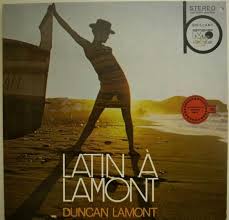
Duncan Lamont was born on July 4, 1931 in Greenock, Scotland. His first instrument was trumpet and he clearly showed promise right from the start. His father played accordion and soon he was joining him on the many gigs all over town. Falling in love with music he practiced all the time and began making a name for himself. In his teens he formed a jazz band with some of his fellow teenage enthusiasts and after taking part in a ‘Melody Maker’ magazine contest, received an offer to join Kenny Graham’s band and turn professional. Initially turning down the offer for work in the shipyards, friends persuaded him to go to London, England and joined the band. It was here that he met and eventually married vocalist Bridget Harrison.
Struggling with his lip he decided to quit the band and return home at just 21 years old. Once again a friend interceded and suggested he try the tenor saxophone, and found an affinity with it. Mastering the instrument he hit the road withthe big bands which led him back to London. A call to become a part of the Swinging Scots recording with Johnny Keating proved fortuitous and he became Keating’s go to saxophonist.
For the next thirty years, session work for TV, films and radio was to be a big part of his life. In this capacity, it’s fair to say he worked with most of the 20th century icons of popular entertainment, from Bing Crosby to Paul McCartney. During the 1960’s, to fuel his jazz needs he became a member of the Johnny Scott Quintet. Encouraged to write for the band’s book, Duncan gravitated to leading his own big band on the BBC.
His most enduring musical partnership was with trumpeter Kenny Wheeler, which lasted decades. As the industry changed Lamont turned his attention to songwriting, composing and lyrics. Having written hundreds of songs, many were recorded by the likes of Blossom Dearie, Natalie Cole, George Shearing, Cleo Laine and a long list of great vocalists. Returning home to Greenock a month towards the end of his career, he performed a homecoming gig with singers Esther Bennett and Daniela Clynes. Tenor saxophonist Duncan Lamont transitioned on July 2, 2019 at 87.

More Posts: bandleader,history,instrumental,jazz,music,saxophone

THE COOKERS
Each member of the Cookers has spent time leading his own series of groups, and each has a keenly individual sound. But it’s the unmistakable power of teamwork that makes this music so commanding and resonates with a kind of depth and beauty that speaks of the seasoned track record of its principals (combined, the group has over 250 years of experience in the jazz world and has been a part of over 1,000 recordings). You can feel the collective weight of that experience in their CDs and especially in their live performances.
David Weiss, trumpet
Eddie Henderson, trumpet
Donald Harrison, alto sax
Billy Harper, tenor sax
George Cables, piano
Cecil McBee, bass
Billy Hart, drums
Showtimes:
Streaming: Fri, Sat, November 18~19, 7:30 pm | Sun, November 20, 5:00 pm
$10 + $1.70 fee
Live: Fri, Sat, November 18~19, 7:30 & 10:00 pm | Sun, November 20, 5:00 pm
$35 – $45 + $3.46 – $4.16 fee
More Posts: adventure,album,bass,club,drums,genius,jazz,museum,music,piano,preserving,restaurant,saxophone,travel,trumpet

CHARLES WILSON QUINTET
Charles Wilson – Drums
Hope Udobi – Piano
Theljon Allen – Trumpet
Elijah Easton -sax
Mike Saunders – bass
Charles “Charlie” Wilson is a drummer, pianist and bass guitar player. He started playing music at the age of 5, where he began taking lessons taught by Orlando Cotto at Nathan Carter’s School of Music in Baltimore. He attended Archbishop Curley High School under a music scholarship where he won several awards such as the North Texas Jazz Festival Outstanding Soloist Award and the Louis Armstrong Jazz Award. As a teen working under the City’s Youth Works Program, he was assigned at Paul L. Dunbar High School’s Music Program where he worked under the leadership of one of the greatest educators and musicians of all times, Charles Funn.
Actual Show Times:
Streaming: Wed, July 6, 7:30 PM | $10 + $1.70 fee
Live: Wed, July 6, 7:30 PM | $20 – $25 + $2.40 – $2.76 fee
More Posts: adventure,album,bass,club,drums,genius,jazz,museum,music,piano,preserving,restaurant,saxophone,travel,trumpet
Requisites
Minor Move ~ Tina Brooks | By Eddie Carter
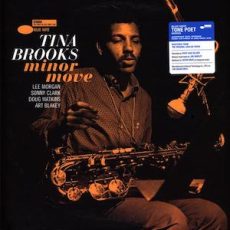
This morning’s choice from the library is Minor Move (Blue Note GXF 3072), a 1958 recording by tenor saxophonist Tina Brooks. It was his first session as a leader and should have resulted in his debut but remained shelved until 1980 when it hit the stores in Japan. He’s joined here by Lee Morgan on trumpet, Sonny Clark on piano, Doug Watkins on bass, and Art Blakey on drums. My copy used in this report is the 2019 Blue Note Tone Poet Series Stereo reissue (B0030487-01). Nutville by Tina Brooks opens Side One with the quintet’s blissfully happy theme. Sonny offers a welcoming smile on the opening statement, then Lee invites us to make ourselves at home next. Tina continues the lighthearted mood with an easy-going interpretation. Doug adds a few cool notes leading to the group’s finale.
The Way You Look Tonight by Jerome Kern and Dorothy Fields debuted in the film, Swing Time (1936). Tina and Lee accelerate the beat to uptempo for the melody, then Brooks dives straight into an invigorating lead solo. Morgan moves through the second interpretation with surgical precision, followed by Clark who applies infectious enthusiasm to the third reading. Blakey engages in a brief exchange with the front line before everyone reassembles for the ending. Side Two starts with Star Eyes by Gene De Paul and Don Raye from the musical-comedy, I Dood It! (1943). Lee begins with a brief muted intro preceding the midtempo theme. Tina steps up first with a relaxing performance, then Sonny and Lee follow with two satisfying performances of sheer delight.
Minor Move by Tina Brooks gets underway with the quintet’s collective theme, then Brooks settles into a bluesy groove on the lead solo. Lee and Sonny follow with two interpretations that will have your fingers popping and toes tapping to the inviting beat before the ensemble’s closing chorus dissolves into nothingness. Everything Happens To Me by Matt Dennis and Thomas Adair is one of the most beautiful songs from The Great American Songbook. This is a showcase for Tina who gives two emotionally touching performances of lyricism and poignancy. Sandwiched between them is a gorgeous presentation of reflective beauty by Lee and a warm insightful interpretation by Sonny leading to the tenor’s soft conclusion.
Minor Move was produced by Alfred Lion and Rudy Van Gelder was the recording engineer. Joe Harley supervised the reissue and Kevin Gray did the mastering. The packaging is superb with great photos of the session. The recording is fantastic with an exceptional soundstage and outstanding detail that comes through your speakers as clear as Waterford Crystal. The record was pressed on 180-gram audiophile vinyl and is very quiet until the music starts. Tina Brooks released only one album during his lifetime and appeared on several Blue Note sessions. Sadly, he never got the recognition he deserved. He passed away from liver failure at age forty-two on August 13, 1974. If you’re a fan of tenor sax and don’t already own the Mosaic box set, I offer for your consideration, Minor Move by Tina Brooks. It’s a terrific recording by one of the underrated jazz musicians and an album I highly recommend for your library!
~ The Complete Blue Note Recordings of The Tina Brooks Quintets (Mosaic Records MR4-106), True Blue (Blue Note BLP 4041/BST 84041) – Source: Discogs.com ~ The Way You Look Tonight, Star Eyes, Everything Happens To Me – Source: JazzStandards.com © 2022 by Edward Thomas Carter

More Posts: choice,classic,collectible,collector,history,instrumental,jazz,music,saxophone