

Daily Dose Of Jazz…
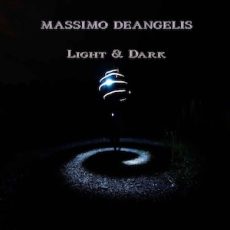
Massimo DeAngelis was born on April 25, 1958 in Rome, Italy. A self-taught drummer, he began playing at the age of twelve. As a composer he plays and writes in various styles and genres across the musical spectrum, favoring high-energy instrumental jazz fusion.
He has performed with many groups, including I Percussionisti di Roma, a percussion ensemble. Throughout his career he has been invited to perform at several jazz festivals throughout Europe.
In 1986 Massimo emigrated to the United States and has been performing live and recording with numerous bands. Teaching privately for several years, he is now focusing his energy and time on composing, arranging, recording, and producing.
Drawing his inspiration from surrealism and improvisation, drummer, percussionist and keybordist Massimo DeAngelis’ music is intended to fill those many musical voids that exist around us. He continues to composer, record and perform.
More Posts: bandleader,drums,history,instrumental,jazz,music
Daily Dose Of Jazz…
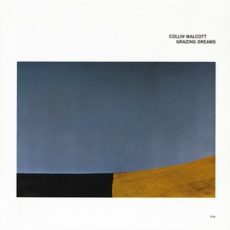
Collin Walcott was born on April 24, 1945 in New York City, New York. He studied violin and tympani in his youth, and studied percussion at Indiana University School of Music. After graduating in 1966, he went to the University of California, Los Angeles, and studied sitar under Ravi Shankar and tabla under Alla Rakha.
Walcott moved to New York and blended bop and oriental music with Tony Scott in 1967–69. Around 1970 he joined the Paul Winter Consort and co-founded the band Oregon. These groups, along with the trio Codona, which was founded in 1978, combined jazz improvisation and instrumentation with elements of a wide range of classical and ethnic music.
He played with Miles Davis on his 1972 album On the Corner, had three releases under his own name on ECM Records. He taught at the Naropa Institute in Boulder, Colorado.
Sitar and tabla player Collin Walcott was killed in a bus crash in Magdeburg, East Germany on November 8, 1984 while on a tour with Oregon.
More Posts: bandleader,educator,history,instrumental,jazz,music,sitar,tabla
Daily Dose Of Jazz…
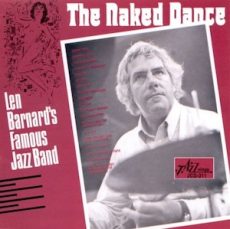
Leonard Arthur Barnard was born on April 23, 1929 in Melbourne, Victoria, Australia. Before forming his own traditional jazz band in the late 40s he played drums in the family band. This band, one of the earliest Australian groups to make jazz records, was so popular that it remained active for more than two decades.
During this same period Barnard played with other groups ranging from jazz to dance music. He gigged and recorded with Ade Monsbourgh and Dave Dallwitz. In the early 1970s his relocation to Sydney, Australia saw him playing with many of the country’s leading musicians including Errol Buddle and John Sangster. Then he joined Galapagos Duck, a band led by Tom Hare.
On occasion Len played with bands led by his younger brother, Bob Barnard. By the late 90s he remained active playing and recording with a variety of artists including Janet Seidel. His playing and able use of brushes made him an accomplished mainstream drummer.
Drummer Len Barnard, whose playing was forceful yet had a discreet and propulsive swing, died on November 5, 2005 in Sydney.
More Posts: bandleader,drums,history,instrumental,jazz,music
Jazz Poems
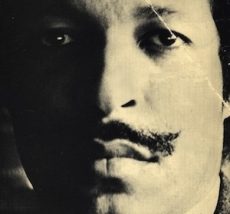
GYRE’S GALAX
Sound variegated through beneath lit
Sound variegated through beneath lit through sound beneath variegated lit sound variegated through beneath litVariegated sound through beneath lit dark
Variegated sound through beneath lit dark sound variegated through beneath lit variegated sound through beneath lit darkThrough variegated beneath sound lit
Through variegated beneath sound lit through variegated beneath sound lit through variegated beneath sound lit Through variegated beneath sound lit Through variegated beneath sound lit through beneath lit through beneath lit through beneath lit through beneath lit Thru beneath Thru beneath Thru beneath through beneath lit Thru beneath through beneath lit Thru beneath through beneath lit Thru beneath Thru beneath through beneath lit Thru beneath Thru beneath through beneath lit Thru beneath Thru beneath Thru beneath Thru beneath Thru beneath Thru beneath Thru beneath Through beneath litTwainly simple of amongst
twainly simple of amongst Twainly simple of amongst twainly simple of amongst Twainly simple of amongst twainly simple of amongst In lit black viewly viewly viewly in viewly viewly viewly in viewly viewly in viewly viewly in viewly viewly viewly viewly in viewly viewly In lit black viewly in dark to stark In dark to stark In dark to stark in dark to stark In dark to stark in dark to stark In dark to stark In above beneath In above beneath In above beneath above beneath lit above beneath above beneath above beneath above beneath lit above beneath above beneath lit above beneath above beneath lit above beneath above beneath lit above beneath above beneath above beneath above beneath above beneath lit above beneath above beneath above beneath lit above beneath above beneath above beneath above beneath above beneath above beneath above beneath above beneath above beneath litN. H. PRITCHARD
from Jazz Poems ~ Selected and Edited by Kevin Young

More Posts: book,classic,collectible,history,jazz,library,poet
Daily Dose Of Jazz…
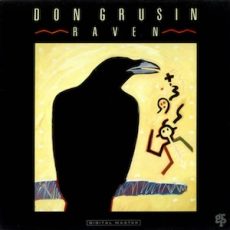
Donald Henri Grusin was born April 22, 1941 and grew up in Littleton, Colorado to a Latvian, classical violinist father. He graduated from the University of Colorado Boulder with a bachelor’s degree in sociology and a master’s degree in economics. In the early Seventies he was an economics professor in Guadalajara, Mexico but soon after he taught economics at Foothill College in California.
By the mid Seventies Grusin was touring with Pete Escovedo’s group Azteca alongside his daughter Sheila E in Bogota, Colombia. The trip sparked a lifelong interest in Latin music. In 1975, Quincy Jones invited him to tour with his band, and he left teaching for a career in music.
He worked as a studio musician on albums by Randy Crawford, Billy Eckstine, Joe Pass, and the Pointer Sisters. He formed the fusion group Friendship with Lee Ritenour, Ernie Watts, and Alex Acuña and recorded one album, then released solo albums in 1981 and 1983. By 1985 Don had produced the album Musician for Ernie Watts, winning a Grammy Award.
Grusin’s 2004 live album The Hang received a Grammy Award nomination, and he won Grammy Awards for his work on two albums by the Paul Winter Consort. He won an Echo Award for the album Quality Time, recorded with Peter Fessler.
As a record producer or keyboardist, Grusin has worked with Gerald Albright, Patti Austin, David Benoit, Larry Carlton, Oscar Castro-Neves, Dori Caymmi, Gilberto Gil, Jim Hall, Sérgio Mendes, Airto Moreira, Milton Nascimento, Flora Purim, Nelson Rangell, Brenda Russell, Zoot Sims, Leon Ware, and Sadao Watanabe.
Keyboardist, composer, and record producer Don Grusin, who is Dave Grusin’s younger brother, continues to push the boundaries of jazz and Latin jazz music.
More Posts: composer,history,instrumental,jazz,keyboards,music,record producer