

MILESTONES
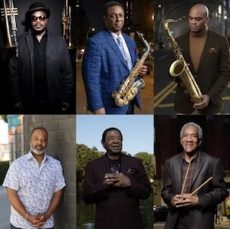
Jeremy Pelt – trumpet | Vincent Herring – alto saxophone | Wayne Escoffery – tenor saxophone | Eric Reed – piano Buster Williams – bass | Al Foster – drums
The two nights before New Year’s Eve are dedicated to Countdown Festival Sextet III, which includes two more special guests who also happen to be two of the all-time greats: Bassist Buster Williams and drummer Al Foster. These two masters join esteemed co-musical directors Eric Reed and Vincent Herring along with the powerful duo of trumpeter Jeremy Pelt and saxophonist Wayne Escoffery. It is a stunning group to close out the year, to say the least. The Guardian calls Williams “one of the great acoustic bassists,” and JazzTimes adds, “Williams’ résumé ranks with that of any bassist in the modern era.” JazzTimes also says that Al Foster—well-known for his work with Miles Davis, McCoy Tyner, Sonny Rollins, and many more—“is a not-so-secret special groove ingredient enlivening performances and sessions by a long list of heavy hitters,”
~ Please Note: All 7PM and 9PM shows at Smoke are Dinner Shows
~ Friday & Saturday Shows Only: 10:30pm
More Posts: adventure,bass,club,genius,jazz,music,piano,preserving,saxophone,travel

THE CATS
George Coleman – tenor saxophone | Peter Bernstein – guitar | Emmet Cohen – piano | John Webber– bass | Joe Farnsworth – drums
Smoke’s annual year-ending festival celebrating the music of John Coltrane, Countdown 2024, gets off to an auspicious start with the one and only George Coleman leading an exceptional quintet. Originally from Memphis, Tennessee, Coleman is still making some of the most inspired music of his celebrated career, including work with B.B. King, Miles Davis, and Herbie Hancock, among many others.
*Please Note: All 7PM and 9PM shows at Smoke are Dinner Shows
Friday And Saturday Only: 10:30pm Added
More Posts: adventure,club,genius,jazz,music,preserving,saxophone,travel
Daily Dose Of Jazz…
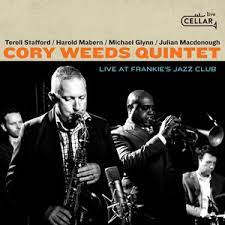
Cory Weeds was born and raised in Burnaby, British Columbia on December 5, 1975. His interest in jazz began in secondary school, and then chose to pursue his post-secondary education by attending Capilano University and the University of North Texas.
>At the age of 26, Weeds purchased a jazz club which would become the Cellar Jazz Club. The venue was selected by DownBeat named Cellar to its list of the world’s greatest jazz clubs. Thirteen years later in 2014 the Cellar Jazz Club shuttered its doors.
Remaining vital in the jazz community of Vancouver, British Columbia he books musicians at Frankie’s Jazz Club and the Shadbolt Centre for the Arts in Burnaby.
In 2023, Cellar Music Group was awarded their first Grammy Award for Best Large Jazz Ensemble Album. The Grammy was awarded to Steven Feifke and Bijon Watson’s Generation Gap Jazz Orchestra for their album Generation Gap Jazz Orchestra.
Weeds has performed alongside musicians including Christian McBride, Joey DeFrancesco, Peter Bernstein, Eric Alexander, Mike LeDonne, and Joe Farnsworth.
Alto and tenor saxophonist and impresario Cory Weeds, who is the founder and owner of the Cellar Music Group record label, continues to perform and record.

More Posts: history,impresario,instrumental,jazz,music,saxophone
HOUSTON PERSON
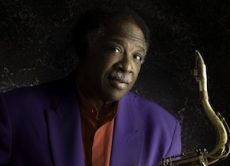
He remains the King of the Boss Tenor Sax and nothing, it seems, can stop Houston Person, now in his sixth decade of performing.
His latest recording (he’s released over 85 of them), as featured guest on Emmet Cohen’s Masters Series Vol. 5, has rocketed up the Jazz Week charts. In its 4-star review, AllAboutJazz.com applauds Houston’s “master’s flair for swing and blues.”
More Posts: adventure,club,genius,jazz,music,preserving,saxophone,travel
NEAL SPITZER
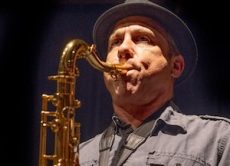
Saxophonist/clarinetist Neal Spitzer occupies a special spot with our region’s jazz community. In addition to his own Ensemble, his funk band Gridline, his popular weekly Hep Cat Hump Day gig at The Park Theater in Hudson, NY, and his duo work with Arnie Warmbrand, he runs our Jitterbug: Jazz for Kids program for preschoolers at the Jazz Forum.
Neal has played with greats like Milt Hinton, Houston Person and Jimmy Cobb and never fails to swing hard on the bandstand.
More Posts: adventure,club,genius,jazz,music,preserving,saxophone,travel