

Daily Dose Of Jazz…
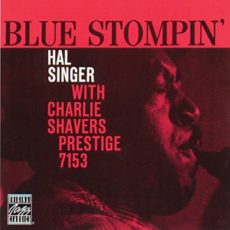
Hal Singer was born Harold Joseph Singer on October 8, 1919 in Greenwood, the Black section of Tulsa, Oklahoma. After surviving the Tulsa Race Massacre of 1921, he grew up in Greenwood where he studied violin as a child but, as a teenager, switched to clarinet and then tenor saxophone, which became his instrument of choice. From the late 1930s he began playing in local bands, including Ernie Fields’, before joining Jay McShann’s orchestra in 1943. Moving to New York he worked in other bands, then joined Oran “Hot Lips” Page’s band in 1947 and began working as a session musician with King Records.
By early 1948 Hal left Page, formed his own small group, and was signed to Mercury Records where he cut his first single Fine As Wine with a B side Rock Around the Clock co-written with Sam Theard and not the same title made famous by Bill Haley. He got his nickname when he recorded the tune Corn Bread for the Savoy label in Newark, New Jersey after the instrumental reached #1 on the R&B charts later that year.
The early to mid 1950s he continued recording with Mercury, toured with The Orioles and Charles Brown, and increased his work as a session musician. In 1958 he began recording with Prestige Records as a jazz soloist and performing at the Metropole Cafe in New York with jazz musicians such as Roy Eldridge and Coleman Hawkins. In 1965, after touring Europe with Earl “Fatha” Hines’ band, Singer stayed in France and settled near Paris. He continued to record and tour extensively around Europe and Africa, performing with various bands including Charlie Watts’ and the Duke Ellington Orchestra.
Hal’s 1969 album, Paris Soul Food, featured him on saxophone and singing; Robin Hemingway, vocals, arrangements and album production; and Manu Dibango, saxophone, organ and arrangements that won a French Record Academy award for best international LP in 1969. He went on a State Department tour of Africa in 1974 with Horace Parlan, appeared on the 1981 live recording Rocket 88 with the UK-based boogie-woogie band and in the summer of 1981 recorded two albums for John Stedman’s JSP record label, Swing On It, with Jim Mullen, Peter King, Mike Carr and Harold Smith, while the second Big Blues, recorded a day later with the same group, also featured Jimmy Witherspoon.
Singer shared artist billing along with Al Copley for 1989’s Royal Blue, appeared as an actor in the award-winning 1990 feature film Taxi Blues and in 1992 was awarded the title of Chevalier des Arts by the French government. A documentary film, Hal Singer, Keep the Music Going, was made by Haitian-American director Guetty Felin in 1999, in which he shares a duet with Jessica Care Moore. He was also an educator teaching jazz to younger generations of French jazz musicians. Bandleader and tenor saxophonist Hal Cornbread Singer recorded sixteen albums as a leader and currently is 96 years of age.
Sponsored By

www.whatissuitetabu.com

More Posts: saxophone
Daily Dose Of Jazz…
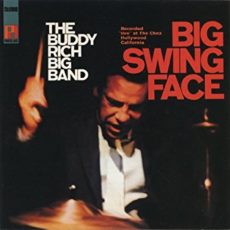
Born Martin Flachsenhaar, Jr. in New York City on October 7, 1924, Marty Flax played flute, clarinet and trombone in addition to baritone saxophone. He was a mainstay in the bands of Louis Jordan, Dizzy Gillespie, Perez Prado, and Tito Puente. He was also a member of the bands that performed on the soundtracks composed by Raymond Scott.
Marty worked with Les Elgart and Claude Thornhill in the late 1950s, then with Quincy Jones, Melba Liston and Gillespie, including on the State Department tours of the Middle East and South America.
Early in the 1960s he again toured South America with the Woody Herman Orchestra. When not on tour he led a house band at the Cafe Society and worked with Sammy Davis, Jr. and Buddy Rich recording on the Reprise, Norgran and Verve labels.
Baritone saxophonist Marty Flax, a consummate sideman and bandleader who never recorded under his own name, passed away on July 3, 1972.

Dose A Day-Blues Away
More Posts: saxophone
Daily Dose Of Jazz…
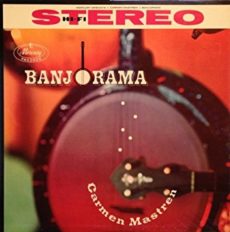
Carmen Mastren was born Carmine Mastrandrea on October 6, 1913 in Cohoes, New York. By 1934 he was playing professionally as a musician when he joined the Wingy Manone and Joe Marsala band. Mastren worked with a variety of musicians during his career, including Raymond Scott, Ray McKinley and Mel Powell.
In the 1940s Mastren recorded with the Sidney Bechet and the Muggsy Spanier “Big Four”. During World War II he played with the Glenn Miller Air Force Band. It was during this period that he worked as musical director and conductor for Morton Downey, and from 1954–1970 he played for The Today Show, The Tonight Show and Say When!! on the NBC television network.
Recording as a sideman, Carmen worked with Dick Hyman And His Orchestra, Bobby Hackett, Quincy Jones, Frank Sinatra, Bud Freeman and the Wolverine Orchestra on such labels as Mercury, Decca, Atlantic, Epic, Universal/MCA, Victor, RCA, Allegro Elite and Gennett.
Guitarist, banjoist and violinist Carmen Mastren passed away at age 68 from a heart attack on March 31, 1981 at his home in Valley Stream on Long Island, New York. He is best remembered for his work from 1936–1941 with the Tommy Dorsey orchestra as a guitarist.
Sponsored By

Daily Dose Of Jazz…
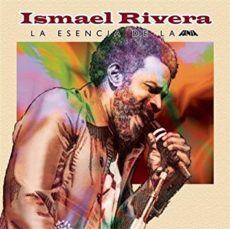
Ismael Rivera also known as Maelo was born on October 5, 1931 in the Santurce sector of San Juan, Puerto Rico. The oldest of five children he was always singing and banging on cans with sticks. He received his primary education at the Pedro G. Goyco Elementary School and then went on to learn carpentry at a vocational school. He also shined shoes to help his family financially and when he was 16 years old, he worked as a carpenter. During his free time he would hang around the corner with his best friend Rafael Cortijo and sing songs. In 1948, he and Cortijo joined El Conjunto Monterrey, where he played the conga and Cortijo the bongos, but was unable to work full-time as a musician because of his work as a carpenter.
In 1952, Ismael joined the U.S. Army but was quickly discharged, because he didn’t speak English. He returned to Puerto Rico and went to work as the lead singer with Orquesta Panamericana, recording and scoring his first hits with the songs El charlatán, Ya yo sé, La vieja en camisa and La sazón de Abuela. However, an incident between Rivera and another band member, over a girl, led to his departure from the popular band. In 1954, he joined Cortijo’s Combo and recorded songs, such as, El Negro Bembón, El Yayo, María Teresa and Yo Soy del Campo, which soon became hits in the Latin community in America
With Cortijo’s Combo continuing to gain fame, so did Rivera’s reputation as a lead singer. Rivera was named sonero mayor by Cuban producer Ángel Maceda, owner of club Bronx Casino in New York and played the band went to New York City and played in the famed Palladium Ballroom.
By 1959, Rivera, together with Cortijo and his Combo were casted in the Harry Belafonte movie titled Calipso. He toured with the combo that included Rafael Ithier and Roberto Roena, throughout Europe, Central and South America. Arrested for drug possession after a trip to Panama with the Cortijo combo, he took the fall to spare the other band members. After his release he formed his own band called Ismael Rivera and His Cachimbos, becoming quite successful for eight years. He reunited with Cortijo and recorded Juntos otra vez. Eventually going solo, he did well with the recordings of El Sonero Mayor, Volare and scored his greatest hit with Las Caras Lindas (de mi gente negra).
1974 saw Ismael in a recording in concert at Carnegie Hall and four years later was in Paris, France opening for Bob Marley in 1978. The death of his childhood friend, Rafael Cortijo in 1982, affected him emotionally to the point that he couldn’t sing in the tribute, and was actively involved in the creation of a historical museum which depicts the contributions made to the cultural life of Puerto Rico by the black Puerto Ricans.
Composer and vocalist Ismael Rivera passed away on May 13, 1987 in the arms of his mother Margarita, from a heart attack. He recorded eleven albums as a leader and has had some thirty compilations released. Posthumously in 2008 Puerto Rico’s governor Aníbal Acevedo Vilá signed a proclaim stating that every anniversary of Rivera’s birth will be celebrated as Día Conmemorativo del Natalicio de Ismael Rivera, the Puerto Rican Senate declared October 5 as Ismael Rivera Day, has a plaza named for him Plaza de los Salseros that has a statue and plaque dedicated to him.
Take A Dose On The Road
More Posts: vocal
Daily Dose Of Jazz…
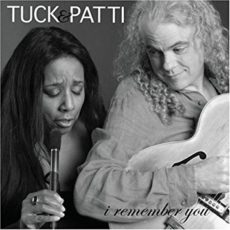
Patti Cathcart was born on October 4, 1949 in San Francisco, California. She is one half of the jazz duo Tuck & Patti. She grew up singing and was performing with The Brides of Funkenstein when she met guitarist Tuck Andress at an audition in Las Vegas in 1980.
After relocating to Patti’s hometown of San Francisco, the two worked as members of a Bay Area rock-cover band. Needing to make some real money they learn some songs as a duo, put together a band, started performing as a duo, and catching on. Their fame as Tuck & Patti around the Bay Area grew and finding themselves declining recording offers to focus on polishing their unique sound.
In 1987 they signed with Windham Hill Records, recorded their breakout album Tears of Joy and received airplay on both jazz and pop radio stations around the U.S. They recorded several more albums for the label before signing with Epic Records for an album in 1995. They followed this with more releases on the Windham Hill and 33rd Street Records labels. Ultimately they established their own label, T&P Records, which licenses their recordings for worldwide distribution.
Married since 1983, Patti and her husband Tuck Andress, who hails from Tulsa, Oklahoma, plays a 1953 Gibson L-5 guitar because it was the model played by his idol Wes Montgomery. The duo continues to record and perform at concerts and festivals around the world. In between gigs the two are educators, holding vocal and guitar workshops and teach privately.
Sponsored By

More Posts: vocal