

Requisites
Tubby The Tenor ~ The Tubby Hayes Sextet | By Eddie Carter
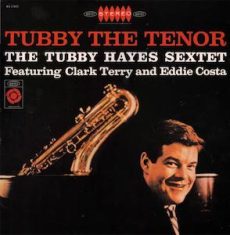
Submitted for your approval this morning is a 1962 release by British tenor saxophonist Tubby Hayes. The year before, he traveled to the United States for the first time to appear at the Half Note. This week’s album is an excellent studio session recorded at Columbia Studio A during his engagement and initially released in the U.K. as Tubbs in N.Y. Its U.S. counterpart came out the same year and is titled Tubby The Tenor (Epic LA 16023/BA 17023) by The Tubby Hayes Sextet. Hayes is in good company on this date; Clark Terry on trumpet (tracks: A2, B1), Eddie Costa on vibes (tracks: A2, A3, B3), Horace Parlan on piano, George Duvivier on bass, and Dave Bailey on drums. My copy is the 1995 Classic Records U.S. Stereo audiophile reissue sharing the original catalog number.
Side One gets underway with You For Me by Bob Haymes, a quartet feature for Tubby and the rhythm section. The saxophonist sets the scene with an unaccompanied introduction segueing into the foursome’s lively opening chorus. Tubby takes the song’s only solo and gives a swinging interpretation complemented by the trio’s spirited support leading to the closing chorus. Clark Terry’s easy-going blues, A Pint of Bitter, begins with the sextet stating the carefree melody collectively. The trumpeter is up first with a relaxing lead interpretation; then Hayes is equally laid-back on the following statement. Costa comes in next and delivers a leisurely-paced reading; then, Parlan builds a compelling finale ahead of the ending theme.
Airegin by Sonny Rollins opens with the quintet’s brisk theme. Tubby launches the solos with a spirited presentation, then gives way to Eddie, who swings freely in an exciting reading. Horace has the third spot and gives an energetic performance. George walks briskly behind him, ahead of the tenor sax’s and vibraphonist’s concise conversation preceding the reprise and climax. Side Two takes off with Opus Ocean by Clark Terry, a fast-paced thrill ride that moves quickly from the quintet’s collective theme. Hayes is off to the races wailing at top speed in the opening solo, followed by an exhilarating statement from Terry. Parlan turns the heat up on the third reading, and the front line delivers a spirited exchange before the ensemble takes the song out.
The quartet returns to put some fresh clothes on Soon, an old tune from the songbook of George and Ira Gershwin. Horace briefly introduces himself; then Tubby steps up for an excellent melody that flows seamlessly into his impressive lead statement. Horace is next and completes the solos with a festive interpretation until Tubby reappears for the song’s finish. Doxy by Sonny Rollins is misspelled here as Doxie and begins with a relaxing melody led by Hayes and Costa. Hayes is up first and gets into a comfortable groove on the opening statement. Costa comes in next for a pleasant performance, then Parlan takes a nice turn in the third reading. Duvivier wraps it up with a short walk leading to the ensemble’s finale.
Mike Berniker and Nat Shapiro produced Tubby The Tenor, and it’s unknown who the recording engineer is. However, this Classic Records reissue is an excellent recording with a superb soundstage. Bernie Grundman remastered this album, and it is an outstanding pressing using 180-gram audiophile vinyl that’s silent until the music starts. The front and rear covers also have a high gloss. Though known as a tenor saxophonist, Tubby Hayes played the flute and vibraphone equally proficiently. Until this album, I only knew of his work as a member of The Jazz Couriers with Ronnie Scott, but I am now on the hunt for more of his records. If you’re a fan of the tenor sax, I invite you to check out Tubby The Tenor by The Tubby Hayes Sextet on your next vinyl shopping trip. It’s an ideal introduction to this remarkable musician and an enjoyable album you can listen to any time of the day or evening!
~ Tubbs in N.Y. (Fontana TFL 5183/STFL 595) – Source: Discogs.com ~ Aireign – Source: JazzStandards.com ~ Columbia Studio A – Source: Tubby Hayes: How The Little Giant Conquered The Big Apple by Simon Spillett. Jazzwise Magazine, October 18, 2021. www.jazzwise.com ~ Doxy, Soon – Source: Wikipedia.org © 2023 by Edward Thomas Carter

More Posts: choice,classic,collectible,collector,history,instrumental,jazz,music,saxophone
Requisites
Nippon Soul ~ Cannonball Adderley Sextet | By Eddie Carter
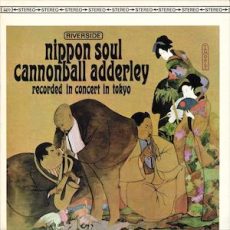
This morning’s discussion is about an album I first heard when I lived in Cincinnati, Ohio, in 1988. Two of my favorite record shops to visit each weekend were Everybody’s Records and Record Theatre. At the latter store, Nippon Soul (Riverside RM 477/RS 9477) by The Cannonball Adderley Sextet was playing over the loudspeakers, which blew me away, and I picked it up immediately. It was recorded during the group’s first Japanese tour in July 1963 at Tokyo’s Sankei Hall and released the following year. The personnel is Nat Adderley on cornet, Julian “Cannonball” Adderley on alto sax, Yusef Lateef on flute (track: A1), oboe (track: B3), and tenor sax (tracks: A2, A3, B1, B2), Joe Zawinul on piano, Sam Jones on bass, and Louis Hayes on drums. My copy is the 1966 US Stereo reissue (Riverside RLP 9477).
Side One opens with Cannonball’s introduction of the title tune, Nippon Soul, an original by the altoist that begins with the sextet’s carefree melody. Nat sets the solos in motion with an infectiously swinging interpretation; then, Cannonball delivers a statement of delightful pleasure. Yusef’s flute compliments both horns on the following performance, and Joe scores a direct hit in the closer ahead of the theme’s reprise and ending. Cole Porter’s jazz standard, Easy To Love, moves briskly from the two-instrument introduction by Cannonball and Louis into the ensemble’s rapid delivery of the melody. Cannonball takes off like a race car covering a great distance in the opening solo, then engages in a vigorous exchange with Hayes into the sextet’s closing chorus, ending abruptly.
The first side finale, The Weaver by Yusef Lateef, is a dedication to a friend, Lee Weaver. Cannonball briefly introduces the song; then, the rhythm section gives an exhilarating introduction featuring each of the horns in the melody. Cannonball opens the solos energetically, then Yusef’s tenor sax enters slowly but expands into an ambitious performance of fierce intensity. Nat delivers an equal amount of heat on the following statement, and Joe enters the spotlight last with a lively aggressiveness preceding the ensemble’s quick reprise and climax. Side Two starts with Tengo Tango, Julian, and Nat’s original that’s suitable for dancing. The sextet opens the melody collectively; then, Cannonball gives a funky solo before the theme returns and the dance ends.
Come Sunday by Duke Ellington comes from his Black, Brown, and Beige suite. It opens with a gorgeous duet between Joe and Sam, the featured performers in this rendition. Joe shows a light touch in his playing that characterizes the beauty of this song to perfection, complimented by Sam’s bass and the front line’s subtle support into a tender ending. Brother John by Yusef Lateef is his tribute to John Coltrane and features him on the oboe as he leads the group through the melody. Yusef takes flight first with an adventurous opening solo. Afterward, Cannonball briefly comments, then Nat blazes into the second statement with considerable agility. Cannonball follows with a swiftly paced presentation, and Joe has one of his best moments ahead of Yusef’s theme restatement and finale.
Orrin Keepnews produced Nippon Soul, but who recorded the album is unknown. However, don’t let that dissuade you. The sound quality is exquisite, with an excellent soundstage that places the listener in the Sankei Hall audience as the musicians perform. If you’re a Cannonball Adderley fan, I invite you to check out Nippon Soul the next time you’re out vinyl shopping. It’s a fantastic set capturing The Cannonball Adderley Sextet at the top of their game, and despite being sixty years old, it sounds as fresh today as when it was first released. This album also complements their New York and San Francisco live releases and is highly recommended for a spot in your library!
~ Jazz Workshop Revisited (Riverside RM 444/RS 9444), The Cannonball Adderley Sextet in New York (Riverside RLP 404/RLP 9404) – Source: Discogs.com ~ Come Sunday, Easy To Love – Source: JazzStandards.com © 2023 by Edward Thomas Carter
More Posts: choice,classic,collectible,collector,history,instrumental,jazz,music,saxophone
Requisites
Boss Tenor ~ Gene Ammons | By Eddie Carter
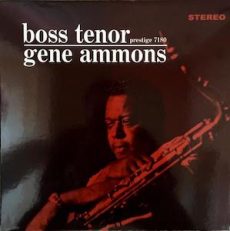
Gene Ammons enters the spotlight of this morning’s discussion with a splendid quintet date titled Boss Tenor (Prestige PRLP 7180/PRST 7180). It hit the stores in 1960 and was the first album Ammons recorded after spending two years in prison for narcotics possession. It’s also considered one of the best in his extensive discography. Here, the tenor saxophonist demonstrates his strengths in a program of two originals and five standards with an excellent rhythm section. Tommy Flanagan on piano, Doug Watkins on bass, Arthur Taylor on drums, and Ray Barretto on congas complete the ensemble. My copy is the 2016 Analogue Productions Stereo audiophile reissue sharing the original catalog number.
The quartet opens Side One by Hittin’ The Jug, a slow tempo blues by Gene Ammons that gets underway with a short solo by Tommy. Gene takes over for an exquisitely tasteful melody and opening statement. Doug answers the tenor with a laid-back reading as fresh as a cool breeze on a warm evening. Gene returns for a few final thoughts ahead of the closing chorus. The foursome picks up the pace for a lively rendition of Close Your Eyes by Bernice Petkere. Ammons shows off his spirited lyricism in the opening chorus and first solo. Flanagan briefly expresses the song’s sunny nature next as the rhythm section’s sprightly supplement holds everything together until Jug’s ending theme gently fades into silence.
The first side finale, My Romance by Richard Rodgers and Lorenz Hart, is captured in its purest essence by the ensemble. Tommy makes his entrance gently in the introduction. Gene takes over to present an elegant melody and a sweet expression of love in the song’s only interpretation, complimented by the trio’s sensuously tender accompaniment into a lovely ending. The quintet kicks off Side Two with a pleasure trip to see the Canadian Sunset by Eddie Heywood and Norman Gimbel. The rhythm section sets this enjoyable excursion in motion with their introduction, then Ammons proceeds to take a leisurely trip through the opening chorus. He completes the journey with an entertaining ride in the song’s only solo ahead of the theme’s restatement and close.
Gene’s Blue Ammons is next and reminiscent of The Happy Blues that Gene recorded in 1956. It begins with a two-instrument introduction by Doug and Art that grows into the saxophonist’s medium melody. Gene starts the solos with a relaxing presentation that’s light and airy. Tommy comes in next and swings comfortably in a short statement, then Gene has an easy-going concise conversation with Art before the closing chorus gently fades into oblivion. Charlie Parker’s Confirmation picks up the beat from the start of the quintet’s brisk melody, and Ammons opens the solos with an effervescent presentation. Flanagan follows him and gives an enthusiastic statement, then Watkins delivers a concise comment. Ammons and Taylor share a brief exchange preceding the closing chorus and exit.
Savoy, aka Stompin’ at The Savoy, by Benny Goodman, Andy Razaf, Arthur Sampson, and Chick Webb, pays homage to the Savoy Ballroom in Harlem, where Webb was the orchestra leader, and people danced their troubles away during the Depression. Gene leads the quintet in the melody with a toe-tapping beat that extends to his spirited opening solo. Tommy soars cheerfully into the subsequent statement, and Ray adds a short footnote during the theme’s reprise and climax. Bob Weinstock supervised the initial album, and Rudy Van Gelder was the recording engineer. Kevin Gray mastered this reissue; the album cover is worthy of hanging on your wall, and the record is pressed on 200 grams of audiophile vinyl that’s dead silent until the music starts.
The sound quality of this reissue is so spectacular that if you close your eyes while listening, you’ll swear the quintet is playing right before you in your listening room. Ammons and company are at their best from the first note to the finale of every track. I happily recommend Boss Tenor for a spot in your library if you’re discovering Gene Ammons for the first time or are a longtime fan. It’s a fantastic performance that will enjoy repeated listens on the turntable for anyone who loves and appreciates the tenor sax!
~ Close Your Eyes, Confirmation, My Romance, Stompin’ at The Savoy – Source: JazzStandards.com ~Canadian Sunset – Source: Wikipedia.org © 2023 by Edward Thomas Carter
More Posts: choice,classic,collectible,collector,history,instrumental,jazz,music,saxophone

Requisites
Joy Spring ~ Joe Pass Quartet | By Eddie Carter
One of my favorite guitarists, Joe Pass, enters this morning’s spotlight with a 1964 live date that sat in the vault for seventeen years. Joy Spring (Blue Note Classic LT-1103) by The Joe Pass Quartet showcases their February 6 performance at the Encore Theatre. Joe is joined on stage by Mike Wofford on piano, Jim Hughart on bass, and Colin Bailey on drums. My copy is the original 1981 US Stereo release. Side One opens with the title tune Joy Spring by Clifford Brown. The quartet establishes the theme leisurely, paving the way for Joe to take a happy strut on the first reading. Mike cruises comfortably through the following statement, then Jim concludes with a laid-back walk toward the finale and the crowd’s ovation.
Some Time Ago by Sergio Mihanovich begins with a beautiful introduction by Wofford. Pass leads the quartet in an exceptionally gentle melody, then devotes an equal degree of care to the first interpretation. Wofford makes the subsequent point with an affectionate touch ahead of the guitarist’s thoughtfully tender climax. The tempo moves upward for the ensemble’s spirited theme to The Night Has A Thousand Eyes by Buddy Bernier and Jerry Branin. Joe takes the first solo spot and swings with an intensity that builds excitement as it unfolds. Mike keeps the beat going with a brisk workout complemented by Jim and Colin’s lively accompaniment ahead of the quartet’s reprise and disappearance to the audience’s applause.
Side Two starts with Relaxin’ at Camarillo by Charlie Parker. The title refers to Parker’s six-month recovery from alcohol and drug addiction at the California State Hospital. The quartet sets the mood for what follows in an easy-swinging theme. Pass is given considerable space for an enjoyable opening statement, then Wofford has something to say in an impressive performance. Hughart takes a jaunty stroll in the closing reading into the theme restatement. There Is No Greater Love by Isham Jones, and Marty Symes begins with a guitar and piano duet, segueing into the ensemble’s blissful melody. Joe opens with a very engaging statement, then Mike delivers a charming presentation. Jim puts an exclamation point in the closing interpretation preceding the quartet’s soft summation.
Richard Bock produced Joy Spring, and Dino Lappas recorded the quartet’s performance. The sound quality is excellent, with an exquisite soundstage. Everyone is in top form, and the ensemble never fails to satisfy during this set of irresistibly enticing music. In a career lasting five decades, Joe Pass was regarded by critics and fans alike as one of the most gifted musicians in jazz. His discography as a leader and a sideman is extensive, and he always brought something unique to each session. Joe’s solo albums and work with Ella Fitzgerald and Oscar Peterson have also stood the test of time. He died from liver cancer at age sixty-five on May 23, 1994. If you like jazz guitar and are a fan of Joe Pass, I invite you to check out Joy Spring by The Joe Pass Quartet on your next vinyl hunt. It’s a beautiful live performance that’s easy on the ears and merits sincere consideration for any jazz library!
~ The Night Has a Thousand Eyes; There Is No Greater Love – Source: JazzStandards.com ~ Joy Spring, Relaxing at Camarillo – Source: Wikipedia.org © 2023 by Edward Thomas Carter
More Posts: choice,classic,collectible,collector,guitar,history,instrumental,jazz,music
Requisites
The Jazztet At Birdhouse ~ The Jazztet | By Eddie Carter
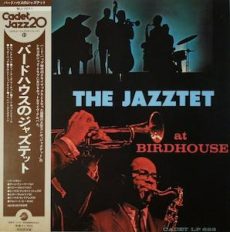
This morning’s subject is a recent addition to my library by The Jazztet. The group was co-founded by Art Farmer and Benny Golson in 1959. The Jazztet At Birdhouse (Argo LP 688/LPS 688) is a 1961 live release documenting the sextet’s performance at the Chicago jazz club. It was their first live album and their fourth as an ensemble. The first three are Meet The Jazztet (1960), Big City Sounds, and The Jazztet and John Lewis (1961). The personnel is Art Farmer on flugelhorn (tracks: A3, B2), trumpet (A1, A2, B1 to B3), Thomas McIntosh on trombone, Benny Golson on tenor sax, Cedar Walton on piano, Thomas Williams on bass, and Albert Heath on drums. My copy is the 1975 Japanese Stereo Reissue (Cadet MJ-1011) by Victor Musical Industries.
Side One opens with Junction by Benny Golson, beginning leisurely with the sextet’s collective melody. The saxophonist begins the first reading comfortably, then gradually builds to an aggressive conclusion. Art takes over and is equally effective in the second statement, with the front line complimenting him ahead of the theme’s restatement and finale. The ensemble presses the pedal to the floor in the uptempo cooker, Farmer’s Market. They quickly begin the melody in unison, stepping aside for Benny, who blows fire in the opening solo. Art swings rapidly into the second reading, then Albert illustrates his energetic brushwork briefly. Cedar vigorously delivers the song’s final solo before the sextet reconvenes to end the song abruptly.
Art puts the flugelhorn to work on the jazz standard, Darn That Dream, by Jimmy Van Heusen and Eddie De Lange. He makes the song his own with a tender rendition of the theme. As the song’s only soloist, he gives an elegant interpretation supported gently by the front line preceding a peaceful finale. The pace picks up again to start Side Two with Shutterbug by J.J. Johnson. The song flies fast from the opening notes of the sextet’s vigorous melody. Art’s back on trumpet for the opening solo, and he’s going at breakneck speed. Benny follows him furiously in the second interpretation, then Albert applies the finishing touches with enthusiastically agile brushwork leading to an exuberant ending.
Art returns to the flugelhorn for a gorgeous rendition of ‘Round Midnight by Thelonious Monk, Bernie Hanighen, and Cootie Williams. The jazz standard receives a regal treatment beginning with the flugelhorn leading the front line through the melody. Benny joins in briefly; then, the ensemble sets the scene for Golson to give a hauntingly beautiful statement. Art is up next and switches to the trumpet for a tender performance. Cedar indulges in a bit of nostalgia in the closer leading to the climax. Thomas McIntosh’s November Afternoon starts with the sextet’s lively theme. Art takes the lead with a vibrant opening statement; then, Tom cooks briefly on his only interpretation. Benny gets the spotlight last with an exceptionally satisfying reading preceding the group’s exit.
Kay Norton, the group’s manager, produced The Jazztet at Birdhouse, and Ron Malo was behind the dials of the recording. This album highlights Benny Golson’s capabilities as an arranger; he arranged all the tunes except November Afternoon, which was arranged by Thomas McIntosh. The sound quality is good for the period, and the band’s exhilarating energy comes through on every track. The Jazztet at Birdhouse is a lesser-known album in their discography, but an overlooked gem deserving broader recognition and should be considered the next time you’re vinyl shopping. It should also be a welcome addition to any jazz library, especially if you enjoy excellent Hard-Bop or are an Art Farmer and Benny Golson fan!
~ Big City Sounds (Argo LP 672/LPS 672), Meet The Jazztet (Argo LP 664/LPS 664), The Jazztet and John Lewis (Argo LP 684/LPS 684) – Source: Discogs.com ~ Darn That Dream, ‘Round Midnight – Source: JazzStandards.com © 2023 by Edward Thomas Carter
More Posts: choice,classic,collectible,collector,history,instrumental,jazz,music,saxophone,trumpet