

Requisites
Nica’s Dream ~ Red Holloway Quartet | By Eddie Carter
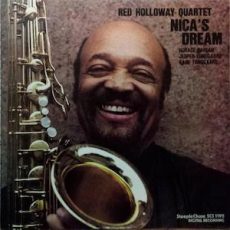
For my discussion this morning, I’ve chosen a swinging 1984 session by The Red Holloway Quartet. Nica’s Dream (SteepleChase Records SCS 1192) highlights the group in a program of jazz standards and original tunes. Red was born James Wesley Holloway in Helena, Arkansas. He began playing the banjo and harmonica as a child before graduating to the tenor sax at age twelve. In this session, he is equally skilled on the alto sax (tracks: A2, B2, B4) and tenor sax (A1, A3, B1, B3). Red is joined on this date by an excellent rhythm section, Horace Parlan on piano, Jesper Lundgaard on bass, and Aage Tanggard on drums. My copy used in this report is the original Danish Stereo release.
Side One starts with Reshma Rani Barnase, an uptempo original by Red Holloway. Red initiates the song’s lively theme, then gives an enthusiastic opening solo. Horace takes the baton and sprints through the following reading. Jesper does a bit of brisk walking next; afterward, Red returns to add a few more spirited remarks ahead of the finale. The leader switches to the alto for a gorgeous rendition of Lover Man by Jimmy Davis, Roger Ramirez, and Jimmy Sherman. The quartet begins with a lovely melody that leads to a stunning opening statement by Holloway. Parlan demonstrates his affection for this song in the next delicately tender performance. The saxophonist concludes the piece in fine form with a dreamy climax.
Love For Sale by Cole Porter places Red back on tenor for a gentle introduction that climbs to the ensemble’s festive theme. Red opens with a lusty statement that’s full of energy. He shares the next reading with Jesper in a robust exchange before the quartet’s closing chorus fades into nothingness. Side Two starts with Nica’s Dream by Horace Silver. It was composed in honor of Baroness Kathleen Annie Pannonica de Koenigswarter, a friend and patron of jazz musicians. This one starts from the group’s swift melody and does not let up until the final note. Holloway charges into the opening statement with a blazing interpretation. Parlan ignites the second statement with intense heat, and Red and Aage get their licks in an immensely satisfying finale.
Georgia on My Mind by Hoagy Carmichael and Stuart Gorrell gets going with Red back on alto for the medium theme and the tasty treat he delivers with deceptive ease on the opening solo. Horace takes the second spot with an endearing presentation he handles skillfully. Aage gets the last word and strolls in the finale toward the foursome’s closing chorus. Red Holloway’s 369 Blues is a happy groove that commences with the quartet’s collective melody that gets your foot tapping along from the outset. Holloway provides plenty of enjoyment on the opening tenor solo. Parlan steps up next to take a short, exhilarating ride, then Red and Tanggard engage in a delightful conversation ahead of the theme’s return.
Wee by Denzil Best brings the album to a close with the quick notes of the ensemble’s melody. Red takes his final turn on the alto sax and flies furiously through the first solo. Horace continues the aggressive pace on the second interpretation. Red and Aage bring a few more fireworks in a fleet interchange of ideas before the quartet wraps it up. Nils Winther produced Nica’s Dream, and Thomas Brekling was the recording engineer. The sound quality is superb, and the musicians draw the listener into the music. If you’re new to Red Holloway or are a longtime fan, I would like to offer Nica’s Dream by The Red Holloway Quartet for your consideration. It’s an enjoyable album that would make a terrific addition to any library and is worth every penny!
~ Georgia on My Mind, Love For Sale, Lover Man – Source: JazzStandards.com ~ Nica’s Dream, Red Holloway – Source: Wikipedia.org ~ © 2022 by Edward Thomas Carter

More Posts: choice,classic,collectible,collector,history,instrumental,jazz,music,saxophone
Requisites
The Paris Concert, Edition One ~ Bill Evans | By Eddie Carter
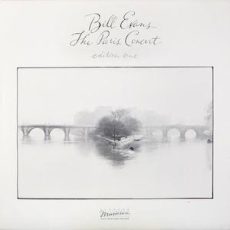
Ever since I’ve been a jazz fan, the piano has always been one of my favorite instruments, and one of my favorite pianists is Bill Evans. My introduction to his playing began with Explorations (1961), Kind of Blue (1959), and Waltz For Debby (1962). Several of his originals have become jazz standards, and many of his albums still resonate with listeners and musicians today. Bill steps into the spotlight of this discussion with the first of two entertaining live dates. The Paris Concert, Edition One (Elektra Musician E1 60164) captures his trio’s performance at L’Espace Cardin on November 26, 1979. He’s joined on stage by Marc Johnson on bass and Joe LaBarbera on drums. My copy used in this report is the 1983 US Stereo album.
The concert opens with the ensemble’s touching rendition of I Do It For Your Love by Paul Simon. Bill begins with a delicately tender introduction segueing into a very pretty melody. Evans embodies a feeling and spirit of enduring love in the song’s only solo with an elegantly graceful interpretation. Marc and Joe supply the soft supplement ahead of the pianist ending the song sweetly. Quiet Now is a lovely tune by Denny Zeitlin. Evans takes the lead again in a hauntingly beautiful introduction ahead of the trio’s peaceful theme. Bill is provided with an excellent showcase to deliver a presentation of luxurious beauty with Johnson and LaBarbera complimenting him perfectly into the group’s affectionate finale.
Noelle’s Theme by Michel Legrand is a moving solo performance that Bill performs with heartfelt warmth and sensitivity in the melody and during his statement that not only touches the crowd but the listener as well. My Romance by Richard Rodgers and Lorenz Hart begins with a lively introduction by Evans, then the pace picks up for the group’s main theme. The highlight is the skillful construction of the first two readings by LaBarbera and Johnson who take turns on their alternate verses with impeccable brushwork and splendid bass lines. Evans unlocks a rich variety of creative ideas next, then LaBarbera adds a few final comments into the pianist’s vivacious closing chorus which receives enthusiastic approval from the crowd at its conclusion.
Side Two gets underway with I Loves You Porgy by George and Ira Gershwin, and DuBose Heyward. It made its debut in the 1935 Broadway opera, Porgy and Bess, and later became a jazz standard. Bill has the stage to himself in a second solo showcase of melodic beauty that he performs with the greatest assurance and sensitive delicacy. Up With The Lark by Jerome Kern and Leo Robin is the first of two duets of piano and bass. Evans and Johnson operate in perfect communication during the opening chorus. Bill takes the lead and delivers an illustrious solo that’s pure magic. Marc provides the exclamation point in an exquisite performance preceding Bill’s ending theme and the audience’s appreciative applause.
The duo returns for All Mine (Minha) by Ruy Guerra and Francis Hime. Bill instills the melody and song’s only statement with expressive beauty, anchored by Marc’s subtle accompaniment into an ending of perfect tranquility. The ensemble returns to full form for Beautiful Love by Wayne King, Victor Young, Egbert Van Alstyne, and Haven Gillespie, which Bill first performed on Explorations. A brief introduction sets the tone for the group’s lively theme. Bill soars over the rhythm section with a vigorous romp on the opening solo. Marc cuts loose with some scintillating notes on the second statement. Bill and Joe unleash a dazzling exchange of infectious riffs and explosive brushwork before Bill swings into the climax. The album concludes with excerpts from a conversation between Bill and Harry Evans.
The Paris Concert, Edition One was produced by Helen Keane, and Yves Abiteboul produced the concert for radio broadcast. This concert was recorded by Radio France and the recording engineer was Stew Romaine. This is a first-rate recording with a superb soundstage that makes the listener feel like they’re in the audience as the trio is performing. If you’re a fan of Bill Evans and are in the mood for something soothing after a long day or week, I invite you to check out The Paris Concert, Edition One on your next vinyl shopping trip. It’s an enticing invitation to explore a remarkable live album by Bill Evans that’s an assortment of delights you’re sure to enjoy!
Explorations (Riverside RLP 351/RLP 9351), Kind of Blue (Columbia CL 1355/CS 8163), The Paris Concert, Edition Two (Elektra Musician E1-60311), Waltz For Debby (Riverside RLP 399/RLP 9399) – Source: Discogs.com
~ I Loves You Porgy, My Romance – Source: JazzStandards.com ~ Beautiful Love – Source: Wikipedia.org © 2022 by Edward Thomas Carter
More Posts: choice,classic,collectible,collector,history,instrumental,jazz,music,piano
Requisites
Cannonball Adderley Live! | By Eddie Carter
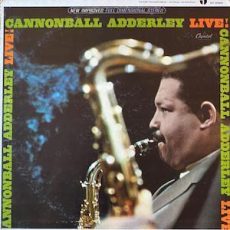
Alto saxophonist Cannonball Adderley steps into the spotlight of this morning’s discussion with his first live album after leaving Riverside. Cannonball Adderley Live! (Capitol Records T 2399/ST 2399) is a live date highlighting his sextet’s performances over three nights at Shelly’s Manne Hole in 1964! It hit the stores a year later and he’s joined on stage by brother Nat Adderley on cornet, Charles Lloyd on flute and tenor sax, Joe Zawinul on piano, Sam Jones on bass, and Louis Hayes on drums. Lloyd joined Cannonball’s group after Yusef Lateef left, and this is the only album I’m aware of that he recorded with the sextet. My copy used in this report is the original US Stereo release.
Cannonball introduces the set’s first tune, Little Boy With The Sad Eyes by Nat Adderley. Charles sets the introduction for the sextet’s collective theme on flute with a tender interlude by Joe. Nat paves the way for the others with a vivacious statement. Cannonball plants some firm roots on the second reading, next Charles adds an abundance of swinging ideas preceding leading the ensemble into a soft summation. Up next is Nat’s contemporary jazz classic, Work Song. Cannonball begins this tune with a concise introduction anchored by the group ahead of their feisty melody. The altoist is up first with a mesmerizing interpretation. Nat responds with a spirited solo leading to the ending theme and the leader’s remarks.
Sweet Georgia Bright, the first of two tunes by Charles Lloyd begins Side Two at a frenzied pace as the sextet rips into the torrid theme furiously. Charles has the first say and wails like the Road Runner traveling at breakneck speed. Nat moves with the fury of a violent whirlwind preceding the ensemble’s swift reprise and abrupt exit. The Song My Lady Sings is a very pretty ballad that could fit perfectly in a love story soundtrack. Cannonball and the rhythm section open the song tenderly. Nat and Charles add their haunting horns to complete the melody. Cannonball caresses each note of the first solo delicately. Nat enters next using the mute to build a warm, moving reading, next Joe delivers a luxuriously rich four-minute performance ahead of Cannonball’s postscript and gentle ending.
The Theme aka Unit 7 by Sam Jones allows Cannonball to address the audience and acknowledge his bandmates who end the set on an upbeat note. Cannonball Adderley Live! was produced by David Axelrod. It’s unknown who the recording engineer was, but the sound quality is quite good, placing the listener in the audience each night. A decade after this album was released, Cannonball suffered a stroke from a cerebral hemorrhage. He passed away at age forty-six on August 8, 1975. He also recorded for Blue Note, EmArcy, Fantasy, Mercury, and Riverside over his two-decade career and his legacy is an extensive discography including some albums as a leader and sideman that have stood the test of time. If you’re in the mood for some good live jazz, I invite you to check out Cannonball Adderley Live! It’s an underappreciated and overlooked gem deserving of a wider audience and a title I recommend for your library!
~ Cannonball Adderley – Source: Wikipedia.org ~ © 2022 by Edward Thomas Carter
More Posts: choice,classic,collectible,collector,history,instrumental,jazz,music,saxophone
Requisites
Music For Prancing ~ Warne Marsh Quartet | By Eddie Carter
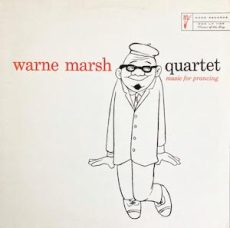
Tenor saxophonist Warne Marsh steps into the spotlight for this morning’s discussion with the 1957 album, Music For Prancing (Mode Records MOD-LP 125). Marsh was a student of pianist Lennie Tristano and a graduate of the Cool Jazz school. He possessed a sweet tone that could be captivating and energetic but could also touch someone’s heart and soul when he played a ballad. For his sixth album, Warne’s leading a great quartet with Ronnie Ball on piano, Red Mitchell on bass, and Stan Levey on drums. My copy used in this report is the 1985 V.S.O.P. Records US Stereo reissue (Mode Records VSOP 8 – MOD LP-ST-125).
The quartet launches Side One with a song by Richard Rodgers and Lorenz Hart, You Are Too Beautiful. The group’s rendition is a catchy tune that’s full of good spirits as Warne begins the melody and relaxing opening solo. Red walks with great ease on the second statement, next Ronnie follows with a neatly paced reading. Stan adds the finishing touches in a brief exchange with Marsh and Ball leading to the closing chorus. Autumn In New York by Vernon Duke is the first of three jazz standards the ensemble performs from The Great American Songbook. The pianist introduces the song discreetly, segueing into Marsh’s tender melody and delicate lead solo. Ball and Mitchell continue the mood with two interpretations that are warm and beautiful ahead of the leader’s return to close out the song gently.
The first side closes on an upbeat note with Playa del Ray by Warne Marsh, beginning with a cheerfully buoyant theme in unison. Warne is up first with a lively interpretation; next Ronnie shows off his light and airy touch on the keys. Red takes over for a few soulful grooves and Stan speaks last with some spirited brushwork into the leader’s closing chorus and soft ending. Side Two gets underway with Ad Libido, an original by Ronnie Ball that’s built on the progressions of Long Ago and Far Away by George and Ira Gershwin. The ensemble starts the song at a laid-back pace for the collective melody. Ronnie opens the conversation with a mellow performance. Warne swings casually during the next reading, then Red adds a happy comment to the closing chorus before the leader wraps it up.
Up next is Everything Happens To Me by Matt Dennis and Thomas Adair. Warne is having a two-instrument conversation with Red as the song opens. Ronnie and Stan enter a little later to complete the lovely melody. Warne continues making melodic magic in the first reading, then Red mines a rich vein of sentimentality from his bass. Ronnie offers a deeply emotional statement next, and Warne makes an additional comment leading to the theme’s reprise. It’s All Right With Me by Cole Porter is a swinging affair from the opening chorus. Marsh takes flight first and speeds through the skies. Ronnie moves just as rapidly on the second solo. Red’s fingers flow swiftly on the bass next, then Stan gives his drums a vigorous workout in the finale ahead of the song’s conclusion.
Music For Prancing was produced by Red Clyde, and the recording engineer was Dayton Howe. The sound quality of this reissue is excellent with a superb soundstage that emerges from your speakers vividly. Warne Marsh recorded for many labels during his long career and has an extensive discography. He suffered a heart attack during a performance at Donte’s Jazz Club in Los Angeles and passed away on December 18, 1987. If you’re a Cool Jazz fan or are just discovering his music, I offer for your consideration, Music For Prancing by The Warne Marsh Quartet on your next vinyl shopping trip. It’s an excellent album that’s perfect to enjoy with your favorite beverage, and one I can recommend to any jazzophile’s library!
~ Postscript: Producer, Red Clyde’s name doesn’t appear on the original Mono LP or my Stereo reissue, but the 1992 V.S.O.P. Records CD album (V.S.O.P. #8 CD – Mode 125) – Source: Discogs.com ~ Autumn In New York, Everything Happens To Me, It’s All Right With Me – Source: JazzStandards.com ~ You Are Too Beautiful – Source: Wikipedia.org © 2022 by Edward Thomas Carter
More Posts: choice,classic,collectible,collector,history,instrumental,jazz,music,saxophone

Requisites
Perdido ~ The JATP All-Stars | By Eddie Carter
This morning’s column features some of the best musicians in jazz. Jazz At The Philharmonic was a series of concerts organized by Norman Granz. From 1944 to 1949, this revolving ensemble of all-stars made one of the greatest impacts on the public since the heyday of Swing. Perdido (VSP-Verve VSP-16/VSPS-16) is a 1966 reissue highlighting two performances by The JATP All-Stars from September 27, 1947. The song debuted on Norman Granz’s Jazz At The Philharmonic, Volume Eight. The personnel is Howard McGhee on trumpet, Bill Harris on trombone, Illinois Jacquet, Flip Phillips on tenor sax, Hank Jones on piano, Ray Brown on bass, and Jo Jones on drums. My copy used in this report is the 1966 US Mono reissue.
Side One gets underway with Perdido, a jazz standard written by Juan Tizol in 1941. Ervin Drake and Hans Lengsfelder added lyrics three years later. In Spanish, Perdido means lost and the song refers to the street in New Orleans. The rhythm section introduces the tune, segueing into the ensemble’s mid-tempo melody. Flip opens the solos at a deceptively relaxed groove, before elevating to a joyous swing that captures the enthusiasm of the crowd. Howard adds drive and excitement to the second reading. Illinois energizes the third statement with an invigorating power supply. Next, Hank has a good deal to say, then Bill captivates the audience in the closing statement with a mix of poise and fire ahead of the ensemble’s finish.
Side Two opens with Mordido, a jaunty tune occupying the second side. The composer is listed as Norman Shrdlu but is Norman Granz. Everyone gets an opportunity to solo, and the song gets underway with the septet’s collective melody. Illinois is up first with jubilant shouts of joy in the opening statement. Howard takes over and romps through the second solo with great passion. Hank takes the reins next and cooks with conviction. Bill follows and has an exceptionally brisk conversation with the rhythm section. Ray takes his bass for a very spirited walk, then Flip provides a scintillating statement of concentrated heat. Jo fuels the finale with energetic brushwork leading to the closing chorus and appreciative applause from the crowd.
Val Valentin engineered the concert’s original recording, and the remastering was done by Dave Greene. The sound quality of this reissue is a little bright with no distortion during the highs, midrange, and low end. However, there’s a little noise during the first few moments of the opening track. Norman Granz was one of the most successful jazz promoters and produced Jazz At The Philharmonic concerts in the US, Canada, Europe, and Japan from 1944 to 1983. He also founded five record labels, Clef, Down Home, Norgran, Pablo, and Verve. The roster of musicians and vocalists he toured with is the definitive Who’s Who in Jazz. Granz also fought for equal rights for the black musicians who worked for him, paying them the same wage as white musicians, and providing the same lodging as well.
I chose Perdido for this week’s discussion to honor one of my favorite tenor saxophonists, Illinois Jacquet whose birthday was recently observed on October 31. This album also suspends in time one of the best jazz concerts by The JATP All-Stars during the forties with an enthusiastic audience at one of the greatest concert venues in the world, Carnegie Hall. While it may not be considered an essential record for your library, I hope I’ve piqued your curiosity enough to check out Perdido by The JATP All-Stars on your next vinyl shopping trip. It’s a great introduction to the Jazz At The Philharmonic concerts, and you’ll be rewarded with some of the best live jazz albums you’ll hear that still swing today!
~ Postscript – The date of the recording on my reissue of Perdido is listed as November 1947. However, when checking further in the booklet of my Japanese box set, Norman Granz’ Jazz At The Philharmonic – 1940s (1981), Perdido was recorded on September 27, 1947. Likewise, Mordido and Endido were also recorded that night. – Source: jazzdisco.org ~ Norman Granz’ Jazz At The Philharmonic, Volume Eight (Mercury Records 11000, 11001, 11002), Norman Granz’ Jazz At The Philharmonic – 1940s (Verve Records UMV 9070, 9071, 9072) – Source: Discogs.com ~ Perdido – Source: JazzStandards.com ~ Norman Granz – Wikipedia.org © 2022 by Edward Thomas Carter
More Posts: choice,classic,collectible,collector,history,instrumental,jazz,music,orchestra