

Daily Dose Of Jazz…
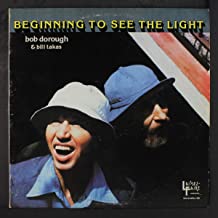
William “Bill” Takas was born March 5, 1932 in Toledo, Ohio and played in the band that backed Bob Dorough from the mid-1950s. His first recordings with the singer were made in New York City in 1956, Devil May Care for Bethlehem Records.
In the following years Bill also worked with Frank Socolow Sextet, Nat Pierce, Tal Farlow, Dan Terry and Pee Wee Russell. In the 1960s he played with the Gerry Mulligan Concert Jazz Band and the bands of Cy Coleman, Don Elliott, Benny Goodman, Doc Severinsen and Les DeMerle. In 1962 he made a guest appearance with Ruby Braff at the Newport Jazz Festival.
From the 1970s to the late 1990s Takas continued to work in a duo with Bob Dorough, recording Beginning to See the Light in 1976, in a trio, heard on Devil May Care II with Al Levitt, and Right On My Way Home in 1979 with Grady Tate, with guest soloists such as Art Farmer and Phil Woods.
Bill was in the all-star formation Children of All Ages with Randy Brecker, Lew Tabackin, Arnie Lawrence, Pat Rebillot, Ron McClure, Buzzy Linhart, among others and Bill Goodwin. Together with Dorough, he released a Charlie Parker tribute album PHililogy in 1995.
Between 1956 and 1997, double and electric bassist Bill Takas was involved in 37 recording sessions in the field of jazz.

More Posts: bandleader,bass,history,intrumental,jazz,music
Daily Dose Of Jazz…
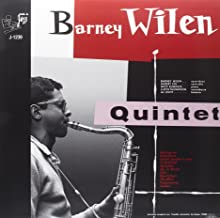
Barney Jean Wilen was born on March 4, 1937 in Nice, France. His mother was French, his father was an American dentist turned inventor. He began performing in Nice nightclubs after receiving encouragement from Blaise Cendrars who was a friend of his mother.
His career was boosted in 1957 when he worked with Miles Davis on the soundtrack Ascenseur pour l’Échafaud. In 1959, Wilen wrote his two soundtracks Un Témoin Dans la Ville and Jazz sur scène with Kenny Clarke, and two years later composed the soundtrack for Roger Vadim’s film Les Liaisons Dangereuses working with Thelonious Monk. In the mid-to-late 1960s he became interested in rock, and recorded an album dedicated to Timothy Leary.
Returning to composing for French films in the 1980s and 1990s, touring Japan for the first time in 1990. He ventured into the world of punk rockers before returning to jazz in the early 1990s. Barney played with modern jazz musicians until his death in 1996.
In 1987, French comic book artist Jacques de Loustal and author Philippe Paringaux paid homage to Wilen in their “bande dessinée” Barney et la note bleue (Barney and the Blue Note).
Tenor and soprano saxophonist and jazz composer Barney Wilen, passed away from cancer in Paris, France on May 25, 1996.
More Posts: bandleader,composer,history,instrumental,jazz,music,saxophone
Daily Dose Of Jazz…
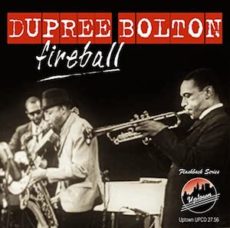
Dupree Bolton was born in Oklahoma City, Oklahoma on March 3, 1929. His father was a musician who earned a meager living working in the defense industry.
The Bolton family later moved to Southern California where Dupree spent most of his childhood and teenage years. He picked up the trumpet at an early age, becoming a professional by the time he was around 15, It was at theat point in his life that he ran away from home to join Jay McShann’s band.
Trumpeter Dupree Bolton, known for his recordings with Harold Land and Curtis Amy, passed away on June 5, 1993.
More Posts: bandleader,instrumental,jazz,music,trumpet
Daily Dose Of Jazz…
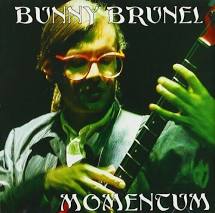
Bernard “Bunny” Brunel was born in Nice, France on March 2, 1950 and took up the electric and acoustic bass when he was fifteen. A self taught musician, he did attend for a time a classical conservatory to learn the basic technique of playing with the bow on the bass.
Brunel is a founding member of the jazz fusion band CAB along with Dennis Chambers, and Tony MacAlpine. Since their formation in 2000, they have released four studio albums and two live albums. Their second album, CAB 2, received a nomination for Best Contemporary Jazz Album at the 2002 Grammy Awards. Other musicians who have been members of CAB include Patrice Rushen, Virgil Donati, David Hirschfelder, and Brian Auger.
Bassist Bunny Brunel, who has played with Chick Corea, Herbie Hancock, and Wayne Shorter, and who has recorded ten albums as a leader, is involved in musical instrument design, film and television scoring, continues to perform and record.
More Posts: bandleader,bass,guitar,history,instrumental,jazz,music

Daily Dose Of Jazz…
De Priest E. B. Wheeler was born on March 1, 1903 in Kansas City, Missouri and played trumpet and mellophone in The Knights of Pythias Band while attending Lincoln High School. With the band he journeyed to St. Louis, Missouri in 1917. Returning to Kansas City he worked in a local dance hall for a year, before becoming a member of the resident band at the Chauffeur’s Club in St. Louis in 1918.
He was with Dave Lewis’s Jazz Boys in Kansas City, then toured with a circus band until 1922. Joining the Wilson Robinson Syncopators in St. Louis in 1923, he toured the Pantages Circuit from Chicago, Illinois to California with that band. The band eventually settled in New York in early 1925 where they were renamed Andy Preer And His Cotton Club Orchestra. Subsequently they worked under the leadership of violinist Andrew Freer until his death in 1927. Later on the group became known as The Missourians, and when Cab Calloway joined as a singer in 1928, from 1930 on he took over and they became Cab’s band.
Wheeler remained with Calloway until 1940, touring Europe in 1934. He worked for the postal authorities for many years, but continued to play part-time with bands and orchestras through the 1950s. Trombonist De Preist Wheeler passed away April 10, 1998 in St. Albans, Queens, New York.
More Posts: history,instrumental,jazz,music,trombone